


The scalp microbiome is the living community of bacteria, fungi, and viruses that colonizes your scalp and helps regulate its barrier function, oil balance, and immune response. When it’s balanced, your scalp stays calm and your follicles function the way they should. When it’s disrupted, you tend to see flaking, itching, excess oil, or inflammation that can eventually affect hair growth.
Start here: cleanse only as often as your scalp actually needs cleansing frequency based on individual need, typically no more than once a week; skip harsh antiseptics unless a dermatologist recommends them, and choose a gentle, sulfate-light shampoo instead of whatever strips the most oil.
Watch for these signs that need a dermatologist, not a shampoo swap:
- Pus-filled bumps or open sores on the scalp
- Sudden or patchy hair loss
- Severe redness, swelling, or pain
- Flaking that doesn’t respond to over-the-counter treatment after several weeks
Pro Tip: If you reach for an antifungal or antiseptic product, use it because a specific symptom calls for it, not as a daily preventive. Ingredients like ketoconazole or zinc pyrithione work best when applied with purpose, not habit.
Key Takeaways
A balanced scalp microbiome depends on gentle, need-based cleansing, targeted rather than habitual antifungal use, and lifestyle habits that support microbial diversity over time.
| Point | Details |
|---|---|
| Core microbes | Cutibacterium, Staphylococcus, and Malassezia dominate a healthy scalp community. |
| Dysbiosis has consequences | Imbalance links to dandruff, seborrheic dermatitis, scalp psoriasis, and folliculitis decalvans. |
| Treat symptoms, not schedules | Use ketoconazole, zinc pyrithione, or selenium sulfide only when symptoms warrant it. |
| Lifestyle matters | Stress, sleep, and diet all correlate with shifts in Malassezia abundance. |
| Give changes time | Expect four to eight weeks before judging whether a routine change is working. |
| Postbiotics are promising, not proven | Heat-killed probiotics show encouraging small-trial results but need larger studies. |
| Know when to escalate | Pustules, rapid hair loss, or spreading inflammation call for a dermatologist, not a new shampoo. |
Table of Contents
- What Is the Scalp Microbiome Made Of?
- How Does the Scalp Microbiome Affect Hair and Skin Health?
- What Are the Common Signs of an Imbalanced Scalp?
- What Changes Your Scalp Microbiome the Most?
- How Do You Restore and Maintain a Healthy Scalp Microbiome?
- What New Treatments Target the Scalp Microbiome?
- How Does Scalp Microbiome Testing Work?
- Our Take on Scalp Microbiome Care
- Frequently Asked Questions
- Sources
What Is the Scalp Microbiome Made Of?
Your scalp hosts a distinct, low-diversity but highly functional microbial community, and it behaves differently from the skin on the rest of your body. Sequencing studies of healthy scalps consistently find the same core players: bacteria from the genera Cutibacterium and Staphylococcus, and a fungal genus called Malassezia that dominates the mycobiome almost everywhere it’s studied.
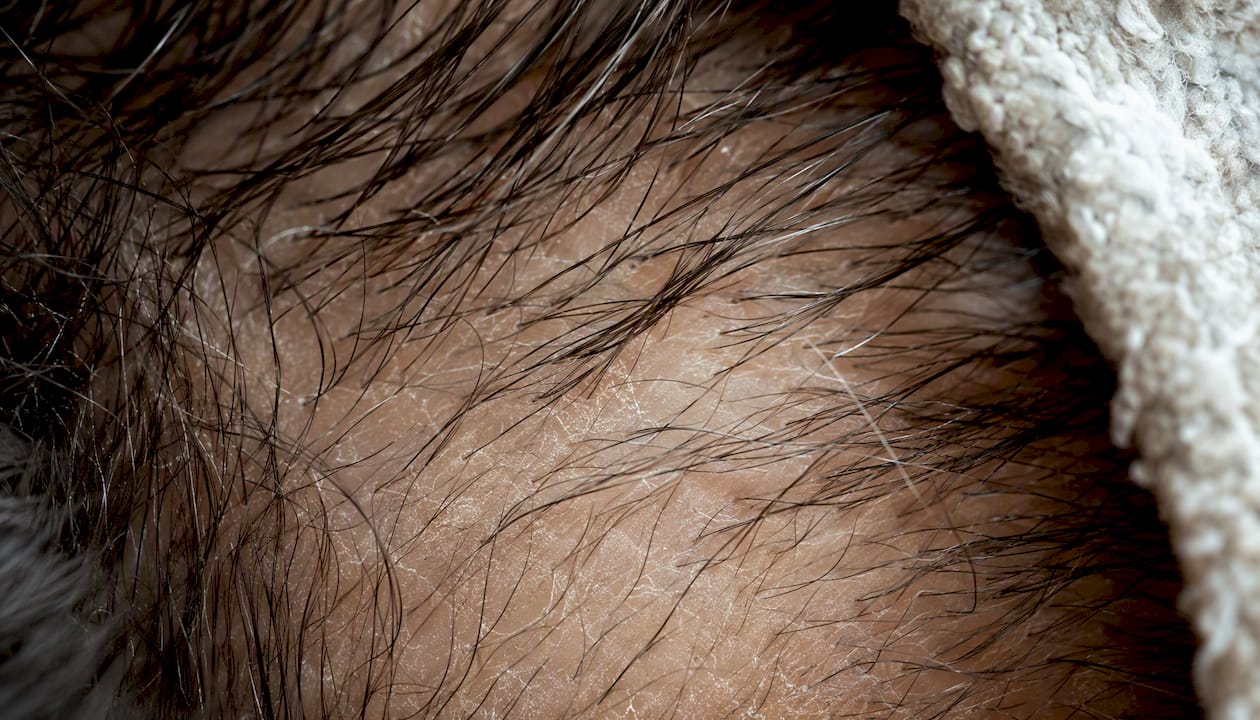
That’s not a random assortment. The scalp is unusually rich in sebaceous follicles, and sebum is basically fuel for lipid-loving microbes. Cutibacterium species thrive in oily, low-oxygen follicle environments, while Malassezia feeds on the fatty acids in sebum. This is why your scalp’s microbial makeup looks more like your face (another sebum-heavy zone) than your forearm.
Cohort sequencing work has confirmed that Cutibacterium and Staphylococcus dominate the bacterial fraction, with Malassezia as the leading fungal genus, and that relative abundances shift with lifestyle factors like diet, sleep, and stress. A few structural features drive this ecosystem:
- Sebum output creates the lipid-rich food source that shapes which microbes can compete.
- Scalp pH, typically mildly acidic, favors certain bacterial species over others.
- Follicular density gives bacteria and fungi countless small, sheltered niches to colonize.
- Hair coverage traps heat and moisture, creating a microclimate unlike exposed facial or body skin.
None of these microbes are inherently “bad.” The problem starts when their relative balance shifts.
How Does the Scalp Microbiome Affect Hair and Skin Health?
The scalp microbiome isn’t just passively living on your head. It actively interacts with your immune system, your oil glands, and your hair follicles, and that interaction determines whether your scalp stays calm or becomes reactive.
Healthy microbes help regulate local immune signaling, keep inflammatory responses in check, and may even contribute nutrients like B-vitamins that support skin cell turnover. They also compete for resources with opportunistic organisms, a form of ecological gatekeeping that keeps any single species from taking over. When that balance tips, usually through Malassezia overgrowth or a shift toward Staphylococcus aureus dominance, the consequences show up fast.
Research has linked scalp microbiome dysbiosis to a cluster of conditions, including dandruff and seborrheic dermatitis, scalp psoriasis, folliculitis decalvans, and alopecia areata, though the exact causal direction (does dysbiosis cause the condition, or does the condition reshape the microbiome) is still being worked out for several of these. Emerging translational research also points to the hair follicle itself as a distinct microbial niche tied to hair growth physiology, which is part of why interest in follicle-targeted therapies is growing.
In practice, dysbiosis tends to show up as:
- Increased flaking or visible scaling
- Persistent itch or scalp tenderness
- Abnormal oil production, either excess or dryness
- Localized inflammation or redness
- Follicular irritation that can interfere with normal hair cycling
Recent metagenomic work adds a useful nuance here: dysbiotic scalps show elevated stress and DNA-repair signatures at the functional pathway level, suggesting the goal of scalp care shouldn’t be sterilization. It should be restoring diversity.
What Are the Common Signs of an Imbalanced Scalp?
Different microbial imbalances tend to produce recognizable patterns, and reading them correctly saves you from guessing your way through the wrong product.
Malassezia overgrowth is the classic driver behind flaking and greasy-looking scale, the hallmark of dandruff and seborrheic dermatitis. A shift toward Staphylococcus aureus dominance, on the other hand, tends to show up as tender pustules, folliculitis, or localized infection rather than diffuse flaking. Chronic, stubborn scaling that doesn’t respond to standard dandruff shampoos often points to a more mixed dysbiosis, sometimes layered with reduced Cutibacterium diversity.
Here’s a quick way to sort what you’re seeing:
- Flaking with oily scale → likely Malassezia-driven, respond well to antifungal shampoos
- Painful bumps or pus → possible Staphylococcus involvement, needs medical evaluation
- Diffuse redness plus scaling that persists for months → mixed dysbiosis, worth a dermatology visit
- Sudden patchy hair loss with scalp changes → needs prompt professional evaluation, not home treatment
If symptoms are mild and recent, an over-the-counter antifungal shampoo for two to four weeks is a reasonable first move. If symptoms are severe, spreading, or paired with hair loss, skip the trial-and-error and see a dermatologist or trichologist directly.
What Changes Your Scalp Microbiome the Most?
Some drivers of scalp microbiome health are within your control, and some aren’t. Knowing the difference helps you focus your effort where it actually pays off.
- Sebum production, partly genetic, partly hormonal, sets the baseline food supply for lipid-dependent microbes.
- Product ingredients, especially sulfates and high-strength antiseptics, can strip the scalp faster than it can rebalance.
- Antibiotic use, oral or topical, can wipe out beneficial bacteria along with the target pathogen.
- Hygiene frequency, both under-washing and over-washing, can throw off the sebum-microbe equilibrium.
- Stress, sleep, and diet all correlate with fungal community shifts, particularly Malassezia abundance, according to cohort research on healthy scalp communities.
- Climate and humidity shape moisture levels that many scalp microbes depend on.
Diet and sleep don’t get enough credit here. A pattern of short sleep and high sugar or fat intake has been associated with shifts favoring Malassezia dominance, which is a good reminder that scalp care isn’t purely topical.
Pro Tip: Reserve high-strength antiseptics and medicated shampoos for active flare-ups rather than daily maintenance. Constant antimicrobial exposure is one of the fastest ways to push a healthy scalp into dysbiosis.
How Do You Restore and Maintain a Healthy Scalp Microbiome?
Rebuilding scalp balance isn’t about aggressive intervention. It’s about consistency, the right ingredients at the right moments, and patience while the microbial community resets.
- Cleanse based on your oil production, not a fixed schedule. Most people do well with cleansing frequency matched to their scalp oiliness; oilier scalps may need more frequent, gentler cleansing.
- Use lukewarm water and massage gently. Hot water and aggressive scrubbing strip natural lipids the microbiome depends on.
- Reach for medicated ingredients only when symptoms call for them. Ketoconazole, zinc pyrithione, and selenium sulfide all have solid evidence behind them for active dandruff, but they’re treatments, not daily maintenance tools.
- Condition to protect the barrier, focusing on lengths rather than saturating the scalp itself.
- Consider periodic gentle exfoliation, roughly every one to two weeks, to clear buildup without disrupting the microbial layer underneath.
- Incorporate plant oils thoughtfully. A 16-week study found that topical coconut oil enriched beneficial bacterial pathways, including biotin metabolism, and correlated with healthier scalp measures in the study cohort. Crisanbeauty’s approach to plant-based ingredients for scalp health leans on this kind of evidence rather than trend-chasing.
For ingredient shortlists: antifungal actives like ketoconazole, zinc pyrithione, and selenium sulfide remain the most evidence-backed options for active dandruff. For maintenance, look toward mild surfactants, postbiotic-containing formulas, and plant oils rather than anything positioned as a daily “deep clean.” Avoid unnecessary oral or topical antibiotics unless a clinician has specifically diagnosed a bacterial cause. Understanding how sebum shapes these microbial niches also helps explain why over-cleansing backfires so often.
Give any routine change sufficient time, generally weeks, before judging results. Visible improvement usually means less flaking, calmer skin, and more even oil distribution. Worsening redness, spreading irritation, or new hair shedding means it’s time to stop and get a professional opinion instead of pushing through.
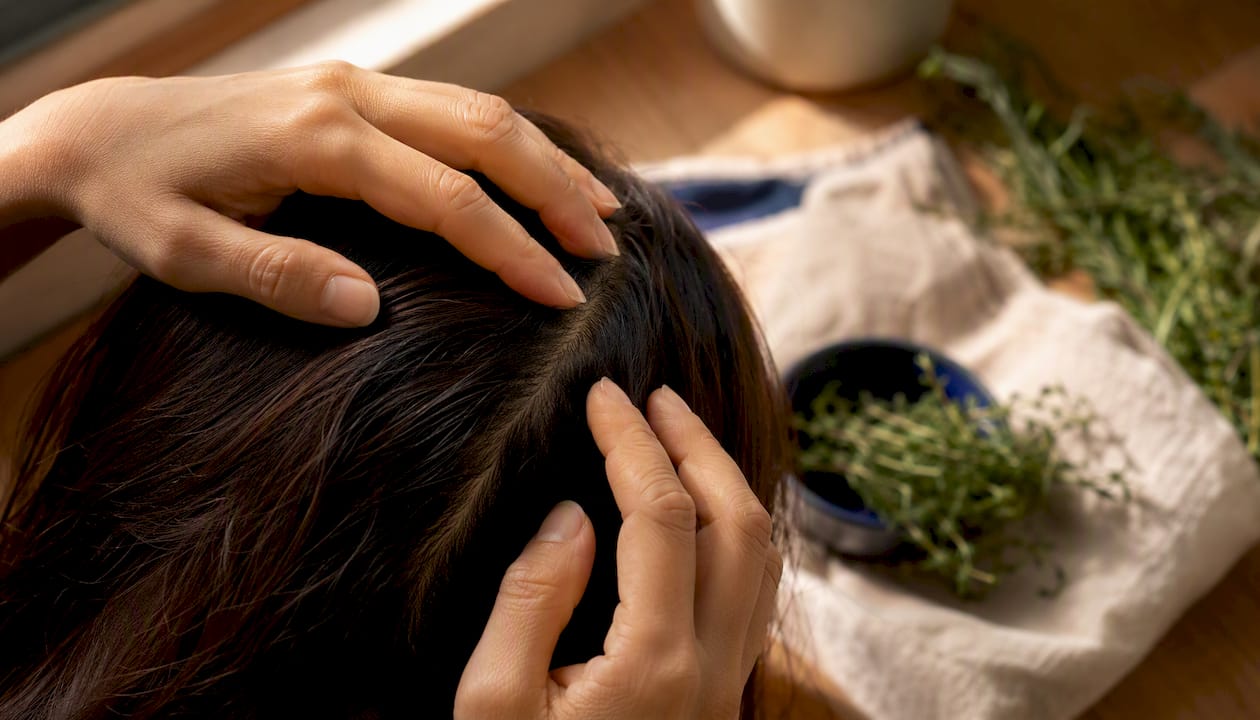
Pro Tip: Product changes alone move the needle slowly. Pairing a consistent scalp routine with better sleep and a lower-sugar diet tends to produce faster, more durable shifts in microbial balance than product changes by themselves.
What New Treatments Target the Scalp Microbiome?
The next generation of scalp care is shifting from “kill the fungus” to “rebalance the community,” and the early data is genuinely interesting even where it’s still limited.
- Postbiotics and heat-killed probiotics, which avoid the storage and viability headaches of live probiotic strains
- Microbiome-preserving topicals, formulated to treat symptoms without wiping out beneficial commensals
- Biofilm inhibitors, aimed at breaking up protective microbial films that let pathogens persist
- Precision antifungals, designed to target problem species while sparing beneficial ones
A small clinical trial using heat-killed Lacticaseibacillus paracasei (GMNL-653) found measurable reductions in dandruff and oil secretion alongside shifts in Malassezia, Cutibacterium, and Staphylococcus abundance.
These are exploratory, small-cohort findings, not large randomized trials. The direction is promising, but broad clinical adoption still needs bigger, controlled studies before postbiotic shampoos can be called standard care.
How Does Scalp Microbiome Testing Work?
Scalp microbiome testing typically relies on one of three lab methods: 16S/ITS amplicon sequencing (identifies bacterial and fungal genera), shotgun metagenomics (maps functional genes and pathways), and qPCR (quantifies specific microbial targets like Malassezia species).
- 16S/ITS sequencing gives a broad genus-level snapshot of who’s present.
- Shotgun metagenomics reveals what those microbes are actually doing metabolically.
- qPCR offers precise counts for a small number of pre-selected microbial targets.
The catch: the scalp’s naturally low microbial diversity makes sampling variability a real issue, and there’s no standardized clinical cutoff for what counts as “imbalanced.” Testing adds real value for persistent, unexplained scalp conditions or research participation. For everyday flaking or itch, a dermatology exam paired with an evidence-based empiric treatment is usually faster and cheaper than sequencing your scalp.
Our Take on Scalp Microbiome Care
We built Crisanbeauty around a simple frustration: most scalp advice either oversells “microbiome-restoring” magic or ignores the microbiome question entirely. Neither serves you well. Our approach favors plant-based formulations backed by real mechanisms, not vague wellness claims.
Pro Tip: Before trusting any “microbiome-friendly” product claim, ask what specific ingredient does what, and whether there’s a study behind it. If a brand can’t answer that, treat the claim skeptically.
If you’re exploring plant-based oiling as part of a microbiome-conscious routine, our Ayurvedic hair growth oil draws on the same botanical logic backing the coconut oil research cited above: nourish the scalp environment instead of stripping it bare.
Frequently Asked Questions
What is the scalp microbiome? It’s the community of bacteria, fungi, and viruses living on your scalp that helps regulate oil balance, immune response, and barrier function around your hair follicles.
Can the scalp microbiome affect hair growth? Emerging research suggests follicle-level microbial imbalances may interfere with normal hair cycling, though the field still needs larger studies to confirm direct causation.
How do I know if my scalp microbiome is out of balance? Watch for persistent flaking, itch, abnormal oil production, redness, or tenderness. Sudden hair loss or pus-filled bumps need a dermatologist, not a home remedy.
Are microbiome-friendly shampoos actually different from regular shampoos? The better ones use milder surfactants and skip unnecessary antiseptics, which helps avoid stripping beneficial microbes during routine washing.
Can diet really change my scalp microbiome? Cohort research has associated high sugar and fat intake, along with poor sleep, with shifts toward Malassezia dominance, so diet is a legitimate factor, not just a side note.
This article is general information, not a substitute for advice from a qualified doctor. Consult a qualified healthcare professional about your own circumstances before acting on anything here.
Sources
- Scalp microbiome: a guide to better understanding scalp diseases and treatments - PubMed
- Systematic analysis of bacterial and fungal community structures on healthy scalps (PMC article)
- Longitudinal study of the scalp microbiome suggests coconut oil to enrich healthy scalp commensals | Scientific Reports


