


Scalp oiling can protect your hair shafts, reduce breakage, and improve manageability — but it is not a proven hair-regrowth treatment. That distinction matters for how you use it. Lab studies confirm that certain oils, particularly coconut oil, penetrate the hair fiber and reduce protein loss during washing and combing. What oils do not do, at least not with strong clinical evidence, is stimulate dormant follicles or reverse thinning. If you are oiling your scalp expecting regrowth, you are working from anecdote, not science.
Quick guide by scalp type:
- Dry or normal scalp: Oiling is generally safe and helpful. Apply to mid-lengths and ends, and use a light touch on the scalp itself.
- Oily or dandruff-prone scalp: Skip scalp application. Heavy oils can feed Malassezia yeast and worsen flaking. Focus oil on your ends only.
For the full routine, frequency rules, and a list of which oils to use (and which to avoid), read on.
Key Takeaways
Scalp oiling reliably protects hair strands and reduces breakage, but it does not regrow hair and can worsen oily or flaky scalps when applied directly to the scalp.
| Point | Details |
|---|---|
| Strand protection is real | Coconut oil penetrates the hair shaft and reduces protein loss during washing, per lab-controlled studies. |
| Skip scalp application if oily or flaky | Heavy oils feed Malassezia yeast and can worsen dandruff or seborrheic dermatitis. |
| Pre-wash is the safest method | Apply 30–120 minutes before shampooing; avoid overnight scalp leave-ins for oily or flaky scalps. |
| Regrowth claims are not supported | No robust clinical trials confirm that oils stimulate follicles or reverse hair thinning. |
| Crisanbeauty’s Ayurvedic Hair Growth Oil | A plant-based, USA-made pre-wash treatment formulated for thinning or weakened hair, not a medical treatment. |
Table of Contents
- What scalp oiling benefits are actually backed by evidence?
- Which oil should you use for your hair and scalp type?
- How to oil your scalp and hair without causing buildup
- How often should you oil, based on your scalp type?
- When scalp oiling can make things worse
- What the research and dermatologists actually say
- CRISAN Beauty’s perspective on scalp oiling
- CRISAN Beauty Ayurvedic Hair Growth Oil fits the routine above
- Sources
What scalp oiling benefits are actually backed by evidence?
The strongest case for hair oiling is at the strand level, not the follicle level. Here is what the research supports and where the evidence runs thin.
Evidence-backed benefits:
- Less breakage. When strands retain more protein and stay lubricated, they snap less during combing and styling. This is a mechanical benefit, not a biological one.
- Improved softness and shine. Oils coat the cuticle, reducing light scatter and making hair appear glossier. Healthline notes that oiling increases luster and moisture, particularly for dry or coarse hair types.
- Easier detangling. A light oil layer reduces friction between strands, which cuts down on mechanical damage during brushing.
- Temporary scalp moisture relief. For very dry scalps, a small amount of oil can ease tightness and flaking caused by dryness (not seborrheic dermatitis). This is a cosmetic effect, not a medical one.
Claims that lack solid backing:
- Oil-driven hair regrowth. DermApproved’s analysis is direct: the strongest evidence supports strand protection, not follicle stimulation. Growth claims circulating on social media are not backed by robust clinical trials.
- Curing dandruff. Oil does not treat the fungal component of seborrheic dermatitis and can make it worse.
- Reversing hair loss. If you are experiencing significant shedding or thinning, oiling is not the answer. That requires medical evaluation.
Pro Tip: The massage you do while applying oil likely contributes more to any circulation benefit than the oil itself. Gentle scalp massage increases blood flow and feels good — but the oil’s job is to protect the strand, not to wake up follicles. Keep those two roles separate in your mind.
A PMC review of traditional oiling practices confirms beneficial effects for conditioned hair while noting limited clinical data for growth claims. The evidence-based patient guide from Acibadem International puts it plainly: hair oiling mainly reduces dryness, friction, and breakage rather than acting as a cure for medical hair or scalp conditions.
When oiling helps appearance and manageability, it is doing its job. When you are losing hair in clumps, seeing bald patches, or dealing with a painful, inflamed scalp, those are medical concerns that need a dermatologist, not a bottle of oil.
Which oil should you use for your hair and scalp type?
Not every oil works for every person. The right choice depends on your hair’s porosity, your scalp’s oil production, and what you are trying to fix.
Coconut oil is the most studied option. Its lauric acid penetrates the hair shaft rather than just coating it, making it the top pick for reducing breakage and protein loss. It works best on thick, coarse, or curly hair. Fine hair can find it too heavy, and it may clog pores for acne-prone scalps along the hairline.
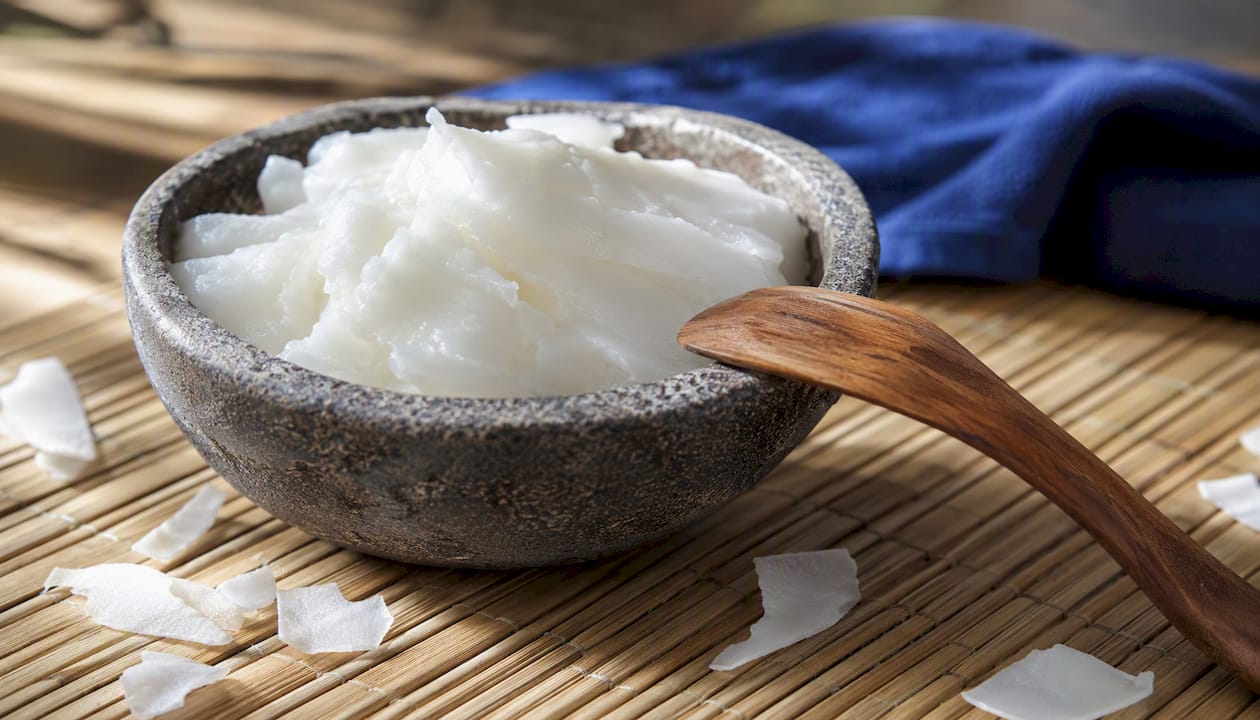
Castor oil is thick and viscous, often used on edges and brows. It conditions and coats the strand well, but its density makes it hard to distribute evenly and difficult to wash out. Use it sparingly on ends or as a spot treatment. It is not ideal for oily scalps.
Argan oil is lighter and rich in vitamin E and oleic acid. It smooths the cuticle without the heaviness of coconut or castor, making it a solid choice for fine or color-treated hair. It absorbs relatively quickly and works well as a finishing oil on dry hair.
Jojoba oil closely mimics the scalp’s natural sebum, which makes it one of the more scalp-friendly options. It is non-comedogenic and absorbs well. People with mildly oily scalps who still want some moisture can often tolerate jojoba where heavier oils cause problems.
Sweet almond oil is lightweight, mildly emollient, and good for adding softness without weight. It suits normal to dry hair and is gentle enough for sensitive scalps, though tree nut allergies are a contraindication.
Sesame oil has a long history in Ayurvedic hair care. It is moderately penetrating and has natural UV-filtering properties. It works well for dry scalps and thick hair but has a strong scent that some people find off-putting.
Squalane (plant-derived, typically from sugarcane or olives) is lightweight, odorless, and non-comedogenic. It is one of the safest options for sensitive or acne-prone scalps and suits fine hair well. It does not penetrate the shaft the way coconut oil does, but it seals the cuticle effectively.
Mineral oil coats the strand and reduces moisture loss, but it does not penetrate. It is inexpensive and well-tolerated by most scalps, but it can build up with repeated use and is not ideal for anyone wanting a plant-based routine.
Oils to use cautiously or avoid on the scalp:
- Olive oil and other high-oleic oils can feed Malassezia yeast. If you have dandruff or seborrheic dermatitis, these are worth avoiding on the scalp specifically.
- Flaxseed oil oxidizes quickly and can go rancid on the hair, which may cause irritation.
- Fragrant essential oils undiluted (tea tree, peppermint, rosemary) should never be applied directly to the scalp without a carrier oil. Concentrated essential oils cause contact dermatitis in some people.
Quick selection guide: Start with argan or jojoba if your hair is fine or your scalp leans oily. Choose coconut oil if your hair is thick, coarse, or prone to breakage. Use squalane if your scalp is sensitive or acne-prone. Save castor oil for ends and edges only. For scalp-nourishing botanical options that combine multiple plant actives, a pre-formulated blend can simplify the process.
How to oil your scalp and hair without causing buildup
The method matters as much as the oil you choose. Too much product, applied the wrong way, leads to buildup, limp hair, and a scalp environment that can worsen flaking.
Pre-wash oil treatment (recommended for most people):
- Start with dry or slightly damp hair. Applying oil to soaking-wet hair dilutes it and reduces absorption.
- Warm a small amount of oil between your palms. For most hair lengths, a modest amount is enough for mid-lengths and ends; add a small additional portion if you are applying lightly to the scalp.
- Apply to mid-lengths and ends first, working the oil through with your fingers.
- If your scalp is dry (not oily or flaky), apply a small amount to the scalp using your fingertips, not your palms.
- Massage gently using the pads of your fingers in small circular motions. Use light to moderate pressure. Aggressive rubbing creates friction and can tangle or break hair. Aim for 3–5 minutes.
- Leave the oil on for the time that matches your goal (see the timing table below).
- Wash out with a sulfate-containing or clarifying shampoo. One thorough shampoo is usually enough for lighter oils; castor or coconut oil on thick hair may need two passes.
Light leave-in application (ends only):
Apply 1–2 drops of a lightweight oil (argan, squalane) to dry ends after washing. This is a finishing step, not a treatment. Do not apply to the scalp as a leave-in if your scalp is oily or prone to flaking.

Timing guide:
| Application goal | Leave-on time | Notes |
|---|---|---|
| Quick conditioning | 30 minutes pre-wash | Good starting point for most hair types |
| Deeper strand protection | 1–2 hours pre-wash | Suitable for dry, coarse, or high-porosity hair |
| Overnight treatment | 6 hours (ends only) | Avoid overnight scalp application if oily or flaky |
| Leave-in finish | Applied to dry ends, not rinsed | Lightweight oils only; skip if hair goes limp easily |
Washing out effectively: A sulfate-based shampoo removes oil most thoroughly. If you prefer sulfate-free, apply shampoo directly to dry or slightly damp hair before adding water — this helps the cleanser bind to the oil before it gets diluted. Avoid piling hair on top of your head while lathering, which causes tangling. Rinse thoroughly with warm (not hot) water.
How often should you oil, based on your scalp type?
There is no universal answer. Frequency depends on your scalp’s oil production, your hair’s porosity, and how your hair responds after the first few sessions.
By scalp type:
- Dry scalp: 1–2 times per week as a pre-wash treatment. You have the most flexibility here. Watch for signs of buildup (dull, heavy hair) and reduce if needed.
- Normal scalp: A reasonable starting point is about once a week. Adjust based on how your hair feels after washing.
- Oily or dandruff-prone scalp: Apply oil to ends only, not the scalp. Once every 1–2 weeks is enough. More frequent application risks worsening buildup and flaking.
By hair texture and porosity:
- Coarse, thick, or low-porosity hair tends to repel moisture and can handle heavier oils applied more frequently (1–2 times per week).
- Fine or high-porosity hair absorbs oil quickly but also goes limp fast. Once a week or less, with a lightweight oil, keeps it manageable.
- Curly or coily hair often benefits from more frequent oiling because the curl pattern makes it harder for natural scalp oils to travel down the strand.
Signs you are overdoing it:
- Hair feels heavy or greasy even after washing
- Increased flaking or a new onset of itching
- Scalp feels congested or tender
- Hair loses volume and looks flat between washes
If you notice any of these, skip one or two oiling sessions, switch to a lighter oil, and reduce the amount you apply. For a closer look at how sebum production affects your scalp’s baseline, this piece on sebum and scalp health explains the science behind it.
One-sentence rule of thumb: Start with once a week on ends, observe your scalp for two weeks, then add or subtract sessions based on how your hair looks and feels after washing.
When scalp oiling can make things worse
Oiling is not right for every scalp. Several conditions make scalp application a bad idea, and ignoring the signs can turn a cosmetic habit into a real problem.
Key risks:
- Seborrheic dermatitis and dandruff. Malassezia yeast feeds on certain fatty acids found in oils, particularly oleic acid. Research on the scalp microbiome shows that lipid-rich environments can promote Malassezia overgrowth, worsening the flaking, redness, and itch of seborrheic dermatitis. If you have this condition, applying oil to your scalp is likely to aggravate it.
- Clogged follicles. Heavy oils left on the scalp for extended periods can block follicular openings, leading to small bumps, tenderness, or folliculitis.
- Contact dermatitis. Any oil, natural or synthetic, can trigger an allergic or irritant reaction. Fragrant oils and essential oil blends carry a higher risk.
- Acneiform flares. Oil that migrates from the scalp to the forehead, temples, or neck can worsen acne in those areas, especially with comedogenic oils like coconut oil.
- Interference with medicated treatments. If you use a medicated shampoo (ketoconazole, selenium sulfide, zinc pyrithione) or a topical treatment like minoxidil, applying a heavy oil beforehand can reduce absorption or effectiveness. Check with your prescribing provider before adding oiling to a medicated routine.
Patch test steps:
- Apply a small amount of oil to the inside of your wrist or behind your ear.
- Leave it on for 24 hours without washing.
- Check for redness, itching, burning, or new bumps.
- If any reaction appears, do not use that oil on your scalp or hair.
When to see a dermatologist:
- Sudden or rapid hair shedding that is new or worsening
- Painful, inflamed, or spreading redness on the scalp
- Scaling that does not respond to gentle cleansing
- Bald patches or visible thinning
Pro Tip: If you have a sensitive or oily scalp but still want the strand-protection benefits of oiling, apply oil from mid-length to ends only and skip the scalp entirely. For scalp application, squalane is the least likely to clog pores or feed yeast. If you are dealing with persistent flaking, non-invasive clinical options may be worth exploring alongside a dermatologist’s guidance.
Safe substitutions for sensitive or oily scalps:
- Use oil on ends only; treat the scalp with a gentle, balancing cleanser instead
- Try squalane as a non-comedogenic alternative to heavier botanical oils
- Consult your dermatologist before oiling if you use any medicated scalp treatment
- Consider plant-based scalp treatments formulated for sensitive scalps as an alternative to raw oils
What the research and dermatologists actually say
The science on hair oiling is real but narrow. Here is what the evidence actually shows.
The strongest findings:
Coconut oil’s ability to reduce protein loss is the most replicated finding in this space. The PMC lab study showing coconut oil penetrates the hair shaft and outperforms mineral oil on protein retention is cited consistently across dermatology-adjacent sources. This is a strand-level, mechanical benefit. It does not mean coconut oil regrows hair.
A PMC review covering traditional oiling practices acknowledges beneficial effects for conditioned hair but is explicit about limited clinical data for growth claims. Small observational studies indexed on PubMed report variable results for botanical preparations and scalp massage, with none proving oil-driven regrowth comparable to medical treatments. Sample sizes are small and study durations are short.
A 2025 analysis in The Guardian noted that dermatology-adjacent experts caution that social-media growth claims are poorly supported, and stress the commonsense value of massage and protective care rather than expecting rapid regrowth from oils.
Evidence vs. myth:
| Claim | Verdict | Evidence level |
|---|---|---|
| Coconut oil protects the hair shaft and reduces protein loss | Supported | Lab-controlled studies |
| Oiling improves softness, shine, and manageability | Supported | Healthline summary; clinical consensus |
| Scalp massage improves circulation | Plausible, limited data | Small studies; DermApproved analysis |
| Oil stimulates follicles and regrows hair | Not supported | PubMed review; no robust trials |
| Oiling cures dandruff or seborrheic dermatitis | Not supported; may worsen | Cleveland Clinic; microbiome research |
What dermatologists recommend in practice:
The Cleveland Clinic advises focusing oil on lengths and ends for most people, and warns that scalp application can worsen seborrheic dermatitis or clog follicles in oily or dandruff-prone scalps. The Acibadem evidence-based guide recommends pre-wash treatments over daily heavy leave-ins for most users.
Practical synthesis: Keep oiling as a pre-wash strand treatment. Use coconut oil if breakage is your main concern, a lighter oil if your hair is fine or your scalp is oily. Drop the expectation of regrowth. If hair loss is your actual concern, clinical hair restoration pathways offer evidence-based options that go well beyond what any topical oil can do.
CRISAN Beauty’s perspective on scalp oiling
The reason we built our Ayurvedic oil formulas around strand protection and scalp-type matching is simple: the evidence points there, and we think you deserve honest guidance.
We started Crisanbeauty after a personal experience with postpartum hair loss. That experience taught us quickly that no oil was going to regrow what hormones had shed. What plant-based oils did do was protect what remained, make the hair feel better, and give us a consistent, calming routine during a stressful time. That is a real and meaningful benefit. It just is not the same as a medical treatment.
Every product we make is manufactured in the USA using carefully selected botanical ingredients. We do not make medical claims because the science does not support them, and we believe you can tell the difference between a brand that respects your intelligence and one that does not. Our formulas are designed to match different scalp types, which is why we are specific about who should apply oil to their scalp and who should keep it on their ends.
Education is part of what we do. Our community of more than 1.3 million followers asks hard questions, and we try to answer them with the same evidence-first approach you see in this article. If the research says something works, we say so. If it does not, we say that too.
CRISAN Beauty Ayurvedic Hair Growth Oil fits the routine above
The CRISAN Beauty Ayurvedic Hair Growth Oil is formulated with plant-based botanical ingredients rooted in Ayurvedic tradition, manufactured in the USA. It is designed for people dealing with thinning or weakened hair who want a protective, conditioning treatment that fits a consistent pre-wash routine.
It works best as a pre-wash treatment applied to mid-lengths and ends, left on for 30–120 minutes before shampooing. If your scalp is oily or flaky, keep the oil off your scalp and focus on the lengths. For dry scalps, a light application to the scalp before washing is appropriate.
This product is not a medical treatment and is not intended to diagnose, treat, or cure hair loss. If you are experiencing significant shedding, thinning, or scalp inflammation, consult a dermatologist before adding any topical oil to your routine. For a trial size before committing to a full bottle, the travel size option is a practical starting point.
Sources
These are the primary sources behind the claims in this article. Each one is worth reading directly if you want to verify the evidence or go deeper.
This article is general information, not a substitute for advice from a qualified doctor. Consult a qualified healthcare professional about your own circumstances before acting on anything here.


