


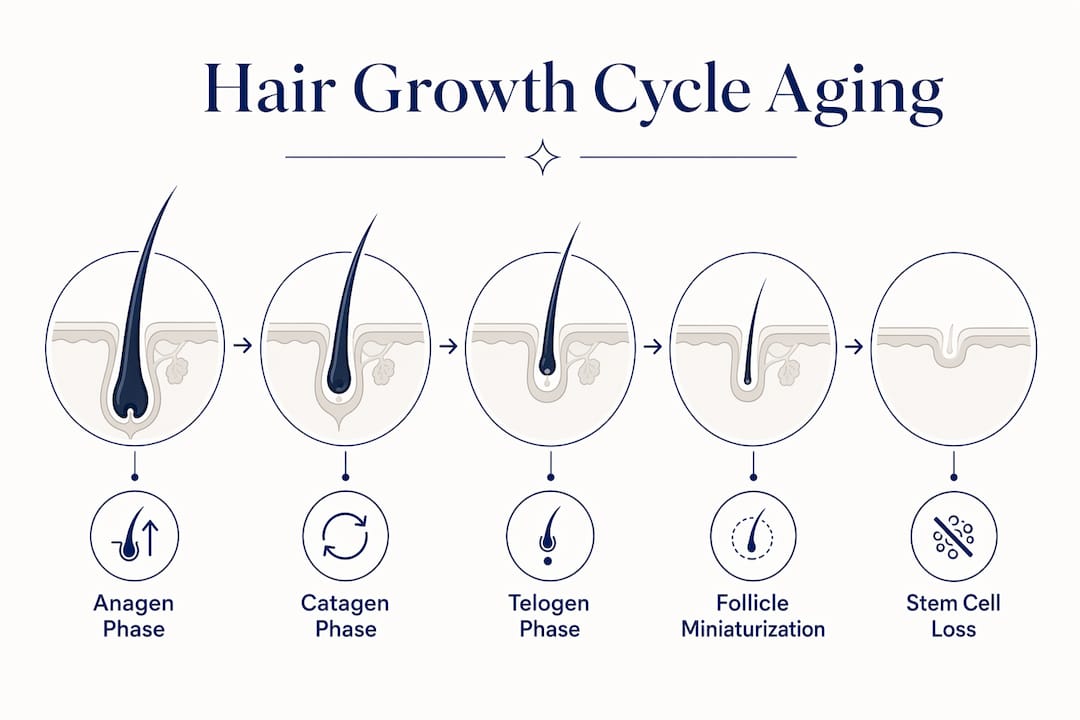
Hair growth slows with age because the biology of your follicles genuinely changes over time. Three things happen simultaneously: the anagen (growth) phase shortens, more follicles shift into the telogen (resting) phase, and the follicles themselves shrink. The result is hair that grows more slowly, looks thinner, and loses density. Here is what is actually driving that process:
- Shorter anagen phase. The anagen phase normally lasts 2–8 years but contracts with age, so each strand has less time to grow before it sheds.
- More follicles resting. A higher proportion of follicles sit in telogen at any given moment, reducing the number actively producing hair.
- Follicle miniaturization. Follicles physically shrink, producing finer, shorter strands with each cycle.
- Melanin decline. Pigment cells slow down, causing graying alongside the structural changes.
- Visible outcome. Slower growth, reduced density, and less overall volume are the cumulative result of all four shifts.
Table of Contents
- Why hair growth slows with age: what happens inside your follicles
- What else contributes to hair thinning as you get older
- Practical hair care that actually helps aging hair
- When you should see a doctor about hair loss
- How Crisanbeauty’s Ayurvedic approach supports aging hair
- Treatments and interventions that support hair growth in older adults
- Key Takeaways
- Crisanbeauty offers plant-based support for aging hair
Why hair growth slows with age: what happens inside your follicles
Your hair does not grow continuously. It cycles through four phases: anagen (active growth), catagen (transition), telogen (rest), and exogen (shedding). In younger adults, roughly 85–90% of follicles are in anagen at any moment. With age, that balance tips.
The anagen phase shortens, and follicles spend proportionally more time resting. Each follicle also produces 100 km of hair shaft annually during peak anagen, so even a modest reduction in growth-phase duration translates to noticeably less length and density over time.
Follicle miniaturization and stem cell loss
The deeper structural change involves stem cells. Hair follicle stem cells depend on a protein called type XVII collagen, or COL17A1. DNA damage accumulates with age, and COL17A1 proteolysis triggers stem cells to differentiate and be eliminated, causing the follicle to shrink progressively. Smaller follicles produce thinner, finer strands. Over many cycles, some follicles stop producing terminal hair altogether.
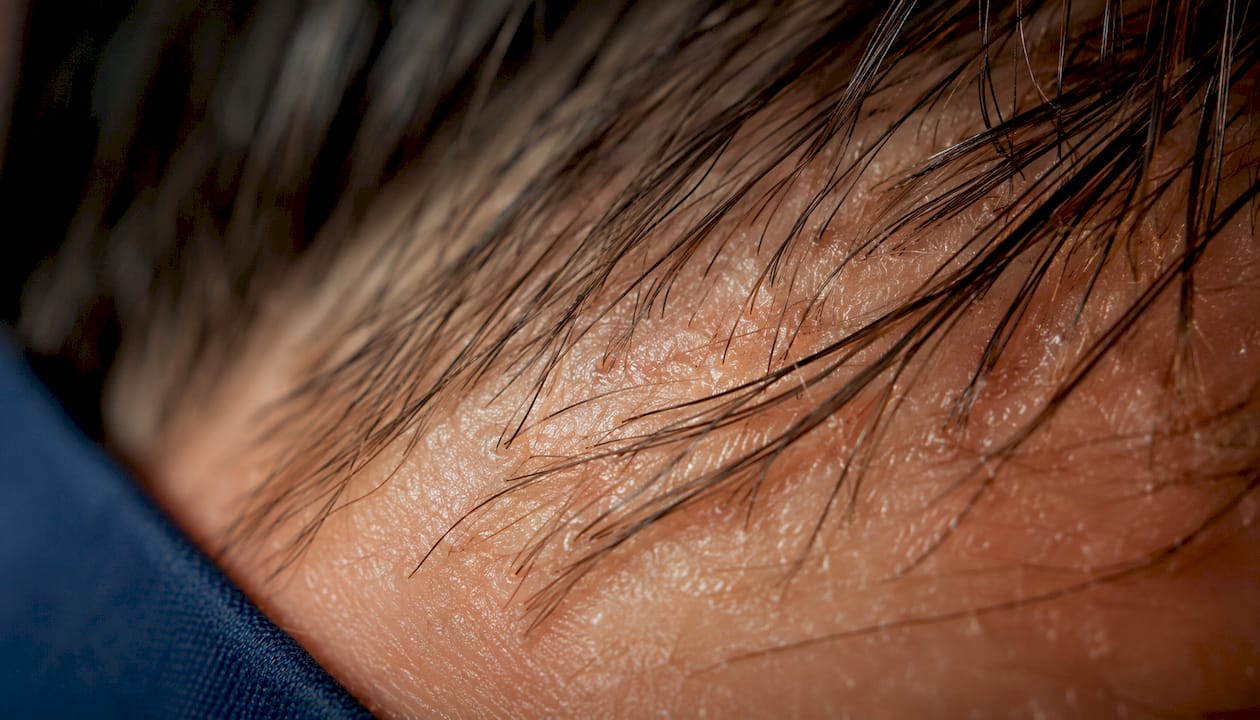
Graying typically begins in the 30s, and many men show significant scalp visibility by age 60. Women tend to experience diffuse thinning with increased scalp visibility rather than the receding-hairline pattern more common in men. This distinction matters clinically: diffuse thinning without the androgen-driven pattern is called senescent alopecia, and it differs from androgenetic alopecia in both mechanism and treatment approach.
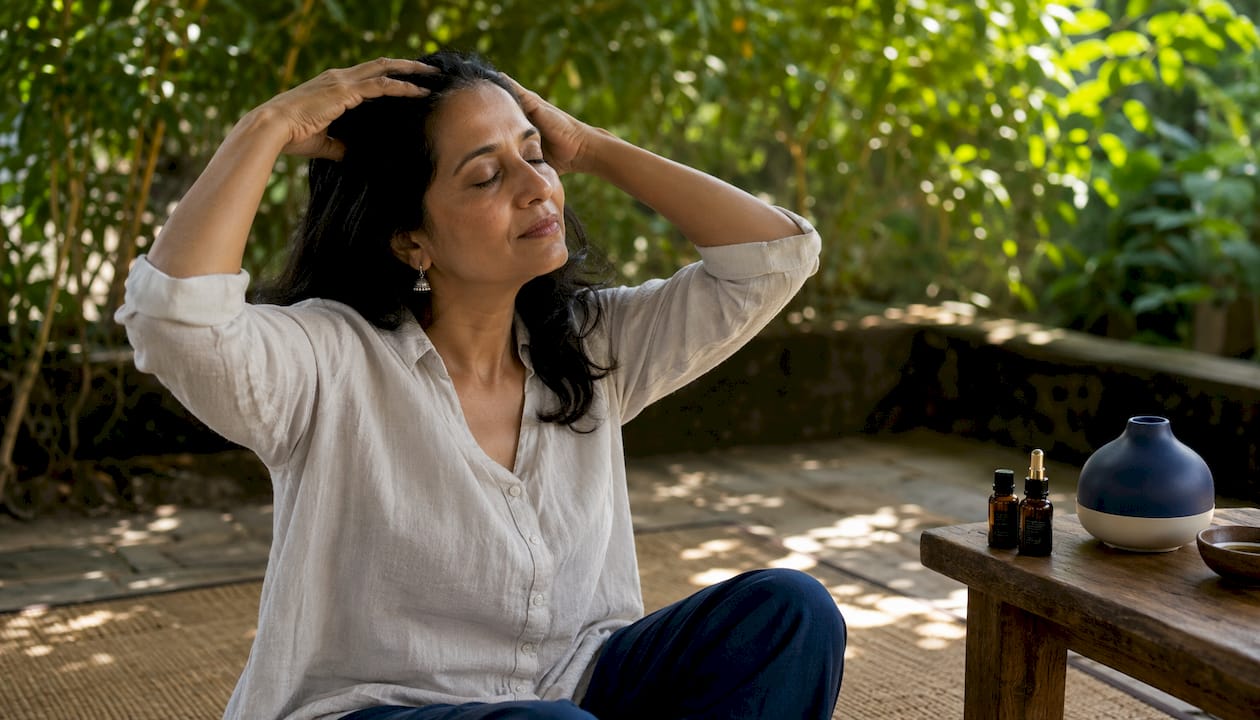
Pro Tip: Scalp massage done consistently, even for just five minutes daily, can support microcirculation in hair follicles, helping deliver nutrients to shrinking follicles more efficiently.
What else contributes to hair thinning as you get older
Aging biology sets the stage, but several other factors accelerate or worsen the process.
- Hormonal shifts. Thyroid hormones and cortisol both influence follicle metabolism and mitochondrial function. Declining estrogen after menopause removes a protective effect on follicles, which is why female-pattern thinning peaks in postmenopausal women. DHT sensitivity also changes with age, affecting how follicles respond to androgens. For a closer look at this mechanism, the role of DHT in hair loss is worth understanding.
- Genetics. Your genes set the baseline rate at which your follicles age. No single causative gene has been identified, but the predisposition is clear and runs in families.
- Nutritional deficiencies. Low iron, zinc, vitamin D, and biotin are all associated with disrupted hair cycling. Nutritional hair support becomes increasingly relevant as absorption efficiency can decline with age.
- Oxidative stress and inflammation. Free radical accumulation damages follicle DNA and degrades the scalp microenvironment. Chronic low-grade inflammation, common in older adults, accelerates follicle miniaturization. Managing oxidative stress and inflammation is one of the most evidence-backed strategies for slowing hair aging.
- UV exposure and pollution. Ultraviolet light degrades hair proteins and damages scalp skin. Environmental pollutants deposit on the scalp and can disrupt follicle function over time.
- Medical conditions and medications. Thyroid disorders, autoimmune conditions, and metabolic diseases all disrupt the hair cycle. Medications including anticonvulsants, anticoagulants, antidepressants, and retinoids can trigger telogen effluvium, where a large proportion of follicles prematurely enter the resting phase. Hormonal hair loss triggers often overlap with medication effects, making professional evaluation useful.
Practical hair care that actually helps aging hair
Aging hair is structurally more fragile. Decreased elasticity and barrier integrity make it more susceptible to breakage, and reduced sebum production leaves strands drier and more brittle. Your routine needs to account for both.
- Wash gently and less frequently. Sulfate-heavy shampoos strip the limited natural oils aging hair produces. A gentle, moisturizing formula used two to three times per week is usually sufficient.
- Prioritize scalp health. The scalp is where follicle function lives. Regular scalp massage stimulates blood flow and helps clear product buildup that can clog follicles.
- Use moisturizing and nourishing products. Look for ingredients that replenish lipids and support the hair shaft’s barrier. Botanical oils, particularly those used in Ayurvedic traditions, can help counter dryness without weighing fine hair down.
- Minimize mechanical damage. Wide-tooth combs, low-heat styling, and loose hairstyles reduce the breakage that makes thinning look worse than it is.
- Support from within. Diet quality directly affects follicle function. Adequate protein, iron, omega-3 fatty acids, and antioxidant-rich foods give follicles the raw materials they need. Plant-based ingredients for scalp health can complement dietary intake.
Pro Tip: Botanical-based scalp oils applied with a gentle massage technique address two needs at once: they nourish the scalp microenvironment and stimulate circulation. This is the core of Ayurvedic hair care, and it aligns directly with what dermatological research says about maintaining follicle function in aging adults.
When you should see a doctor about hair loss
Not every change in your hair is a normal part of aging. Some patterns warrant professional evaluation.
- Sudden or rapid shedding. Losing significantly more hair than usual over a short period, especially after illness, surgery, or major stress, may indicate telogen effluvium rather than age-related thinning.
- Patchy hair loss. Discrete bald patches, rather than diffuse thinning, can signal alopecia areata, an immune-mediated condition that responds to specific treatments.
- Scalp inflammation or scaling. Redness, itching, or flaking alongside hair loss suggests a dermatological condition that needs direct assessment.
- Rapid progression. If thinning accelerates noticeably over months rather than years, that pace is worth investigating.
- Suspected systemic cause. Unexpected hair thinning in older adults may signal thyroid disorders or nutritional deficiencies rather than normal aging. Addressing the underlying condition can stabilize or improve hair health.
- Medication review. If you started a new medication and noticed increased shedding within three months, discuss it with your prescribing physician. Many medication-related hair changes are reversible once the drug is adjusted or discontinued.
A dermatologist or endocrinologist can run bloodwork, assess your scalp, and distinguish normal aging from a treatable condition. Medical professionals consistently stress that sudden hair changes in aging adults should not be dismissed without evaluation.
How Crisanbeauty’s Ayurvedic approach supports aging hair
Ayurveda approaches hair health as an expression of overall wellness, not an isolated cosmetic concern. The tradition emphasizes nourishing the scalp, supporting circulation, and using botanicals that work with the body’s own processes rather than overriding them. That philosophy aligns closely with what modern follicle biology actually shows: the scalp microenvironment, including its inflammatory state, oxidative load, and nutrient availability, directly determines how well follicles function as they age.
Crisanbeauty was founded after a personal experience with postpartum hair loss, which means the brand understands hair loss from the inside out, not just as a product category. Every formula is manufactured in the USA using carefully selected botanical ingredients, with transparency about what goes in and why. The focus is on long-term scalp and follicle health, not quick fixes. For adults navigating age-related hair changes, that kind of steady, nourishing approach tends to serve better than aggressive stimulants that can irritate an already-sensitive scalp.
Treatments and interventions that support hair growth in older adults
Several evidence-backed options exist for adults who want to go beyond lifestyle adjustments.
Topical minoxidil remains the most widely used over-the-counter treatment for both men and women. It prolongs the anagen phase and increases follicle size. Results require consistent use and typically take three to six months to become visible.
Oral finasteride is approved for men and works by blocking DHT conversion. It is not typically recommended for women of childbearing age but may be considered in postmenopausal women under medical supervision.
Platelet-rich plasma (PRP) therapy involves injecting concentrated growth factors from your own blood into the scalp. Evidence supports its use for androgenetic alopecia, though protocols vary and multiple sessions are usually needed. You can read more about hair regeneration treatments that are gaining traction in clinical settings.
Low-level laser therapy (LLLT) uses specific wavelengths of light to stimulate follicle activity. FDA-cleared devices are available for home use, and clinical evidence supports modest improvements in density.
Microneedling creates controlled micro-injuries on the scalp that trigger a healing response and can enhance absorption of topical treatments like minoxidil when used together.
Nutritional supplementation targeting deficiencies in iron, vitamin D, zinc, and biotin can support the hair cycle when bloodwork confirms a shortfall. Supplements formulated specifically for hair, including those combining adaptogens and sea moss, address multiple pathways at once.
Hair transplantation remains the most permanent option for significant follicle loss, though it works best when underlying causes are addressed first and sufficient donor hair exists.
The hair growth cycle phases that treatments target are the same across all hair types, which means the biological rationale for these interventions applies broadly, even when specific products are formulated for particular needs.
Key Takeaways
Aging shortens the hair growth phase, shrinks follicles, and reduces melanin production, but targeted care and early professional evaluation can meaningfully slow that progression.
| Point | Details |
|---|---|
| Anagen phase shortens with age | The growth phase normally lasts 2–8 years but contracts over time, reducing hair length and density. |
| Follicle miniaturization is driven by stem cell loss | COL17A1 depletion causes stem cells to be eliminated, shrinking follicles and producing finer strands. |
| Multiple factors accelerate thinning | Hormones, genetics, nutrition, oxidative stress, and medications all influence how fast follicles age. |
| See a doctor for sudden or patchy loss | Rapid shedding or scalp inflammation may signal a treatable condition, not just normal aging. |
| Crisanbeauty’s Ayurvedic approach | Plant-based, botanically formulated products target the scalp microenvironment to support follicle health naturally. |
Crisanbeauty offers plant-based support for aging hair
If you have read this far, you understand that aging hair needs consistent, gentle nourishment, not harsh interventions. Crisanbeauty’s line of Ayurvedic-inspired hair products is built around exactly that principle: botanical ingredients, manufactured in the USA, formulated to support the scalp microenvironment where follicle health actually begins.
The Ayurvedic Hair Growth Oil is designed specifically for thinning hair, using plant-based ingredients rooted in generations of Ayurvedic tradition to nourish the scalp and support healthier growth cycles. For internal support, the Complete Hair Essentials vegan daily vitamin addresses the nutritional gaps that commonly accelerate age-related hair changes. Both products are free from unrealistic promises and grounded in the same science this article covers. Visit Crisanbeauty to find the right starting point for your hair care routine.


