


Female hair thinning is defined as a gradual decrease in hair density and follicle health caused by a combination of genetic, hormonal, medical, and lifestyle factors. The clinical term is androgenetic alopecia for the most common form, though the American Academy of Dermatology recognizes multiple distinct causes. What makes female hair thinning different from male pattern baldness is the pattern itself: women typically experience diffuse thinning across the crown rather than distinct bald spots. Crisanbeauty was founded after a personal experience with postpartum hair loss, which is why understanding these causes clearly and honestly matters deeply to us.
What causes female hair thinning through genetics and hormones?
Female pattern hair loss, clinically called androgenetic alopecia, is the most common and chronic cause of thinning hair in women. It develops gradually and often goes unnoticed until a widened part or thinner ponytail signals a significant drop in density. Unlike male pattern baldness, which creates defined bald patches, female pattern hair loss spreads diffusely across the top of the scalp.
The core biological process is follicle miniaturization. Hair follicles produce progressively thinner and shorter hairs over time rather than falling out suddenly. Each growth cycle yields a slightly finer strand until the follicle eventually stops producing visible hair. This slow progression explains why many women don’t seek help until the thinning is already advanced.
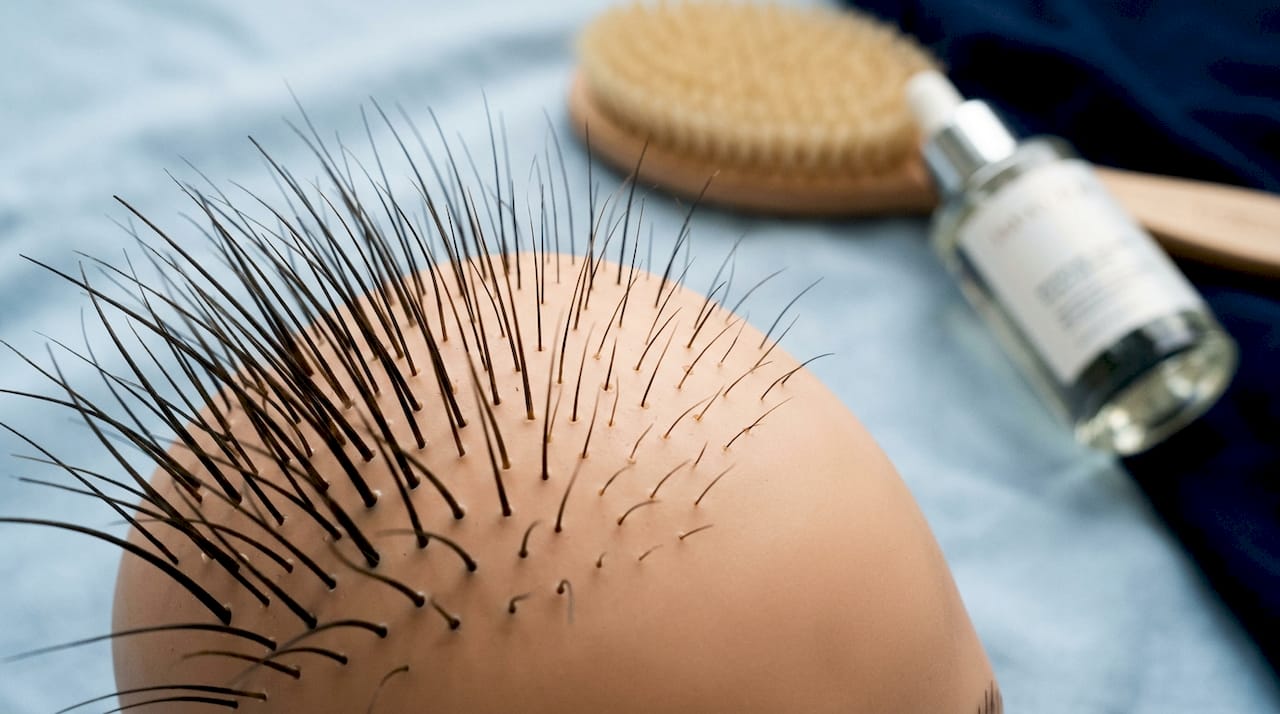
Dihydrotestosterone (DHT), a derivative of testosterone, drives this miniaturization process. Women have lower androgen levels than men, which is why follicles respond more gradually to androgen effects, producing diffuse thinning rather than distinct bald spots. Genetic predisposition determines how sensitive your follicles are to DHT. If your mother or maternal grandmother experienced thinning, your risk is meaningfully higher.
Menopause accelerates this process. Hormonal changes during menopause reduce estrogen levels and increase androgen influence, removing the protective effect estrogen provides to hair follicles. Women who were genetically susceptible but asymptomatic often see noticeable thinning begin in their late 40s or early 50s for this reason.
- Androgenetic alopecia affects women across all ethnicities and age groups
- Thinning typically begins at the crown and widens along the part line
- Follicle miniaturization is gradual, not sudden
- Genetic risk comes from both maternal and paternal family lines
- Onset can occur as early as the late 20s in genetically predisposed women
Pro Tip: If you notice your ponytail getting thinner year over year, photograph your part line every six months in the same lighting. This gives your dermatologist a visual timeline that is far more useful than memory alone.
How do postpartum changes and menopause trigger sudden shedding?
Postpartum hair loss and menopausal thinning are both hormonal in origin, but they work through different mechanisms. Understanding the difference helps you recognize what your body is doing and set realistic expectations for recovery.
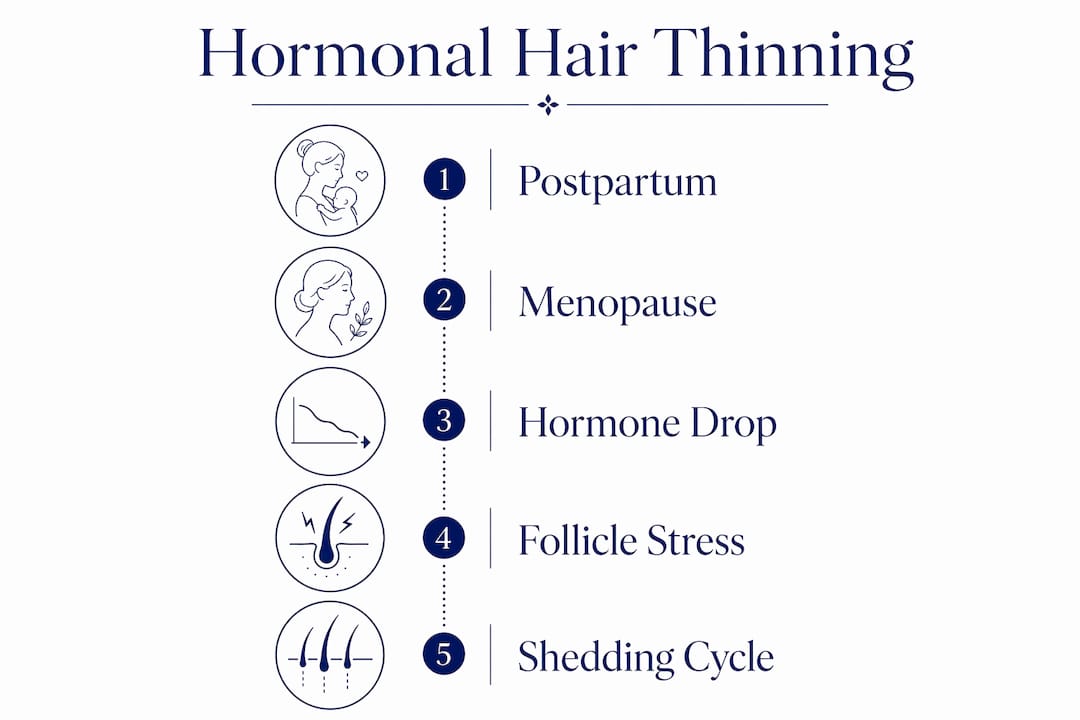
Postpartum hair loss is a form of telogen effluvium, a condition where a large number of follicles shift simultaneously into the resting phase and then shed. During pregnancy, elevated estrogen prolongs the active growth phase, giving you thicker, fuller hair. After delivery, estrogen drops sharply, and those follicles all enter the shedding phase at once.
Here is how the postpartum timeline typically unfolds:
- Weeks 1–8 after delivery: Hormone levels drop rapidly. Follicles begin shifting to the resting phase.
- Months 2–5: Shedding begins, often dramatically. Handfuls of hair in the shower are common and alarming but normal.
- Months 6–12: Shedding slows and regrowth begins. Most women see full recovery within this window.
- Month 12 and beyond: Hair density typically returns to pre-pregnancy baseline without medical intervention.
Crisanbeauty has a detailed resource on hair loss after pregnancy that walks through what to expect at each stage.
Menopausal thinning works differently. Rather than a sudden shed, estrogen decline shortens the active growth phase of each follicle over time. Hair grows for a shorter period, reaches a shorter length, and becomes finer. The result is a slow, progressive reduction in density rather than the dramatic shedding of telogen effluvium. Recognizing which pattern you are experiencing matters because the treatments differ significantly.
Key stat: Stress-induced telogen effluvium peaks 2–3 months after the triggering event. This lag time is why women often cannot identify the cause. The stressor happened months before the shedding became visible.
What medical conditions and nutritional deficiencies cause hair thinning?
Several systemic health conditions directly disrupt the hair growth cycle. Ruling these out before attributing thinning to genetics or aging is a critical step that many women skip.
Thyroid disorders are among the most common medical causes of female hair thinning. Both hypothyroidism (underactive) and hyperthyroidism (overactive) alter the metabolic processes that support follicle function. Hair becomes brittle, sheds diffusely, and grows more slowly. Thyroid-related thinning typically reverses once hormone levels are corrected with medication.
Polycystic ovary syndrome (PCOS) raises androgen levels in women, accelerating follicle miniaturization in the same way as androgenetic alopecia. Women with PCOS often experience thinning at the crown alongside other symptoms like irregular periods, acne, and excess facial hair.
Alopecia areata is an autoimmune condition where the immune system attacks hair follicles, causing patchy, sudden hair loss rather than diffuse thinning. The patches are typically round and well-defined, which distinguishes this condition from pattern hair loss.
Nutritional deficiencies are equally disruptive:
- Iron deficiency anemia: Iron deficiency reduces oxygen delivery to follicles, slowing growth and causing shedding. Women with heavy periods are especially vulnerable.
- Vitamin D deficiency: Vitamin D receptors in follicles regulate the growth cycle. Low levels are consistently associated with increased shedding.
- Low protein intake: Hair is made almost entirely of keratin, a protein. Crash diets and very low-calorie eating deprive follicles of the building blocks they need.
| Condition | Hair loss pattern | Key accompanying symptoms |
|---|---|---|
| Hypothyroidism | Diffuse thinning | Fatigue, weight gain, dry skin |
| PCOS | Crown thinning | Irregular periods, acne |
| Alopecia areata | Patchy loss | Sudden onset, round patches |
| Iron deficiency | Diffuse shedding | Fatigue, pale skin |
| Vitamin D deficiency | Diffuse thinning | Fatigue, bone pain |
Pro Tip: Ask your doctor for a full iron panel, not just hemoglobin. Ferritin (stored iron) can be low even when hemoglobin looks normal, and low ferritin alone is enough to trigger shedding.
How do lifestyle factors and hair care practices worsen thinning?
External factors can trigger or accelerate thinning even in women with no genetic predisposition. The good news is that lifestyle-driven hair loss is often reversible once the cause is removed.
Physical and psychological stress push follicles into the resting phase prematurely. Surgery, rapid weight loss, illness, and emotional trauma all qualify as triggers. Stress-induced shedding recovers in 6–12 months once the stressor resolves, but the 2–3 month lag between trigger and visible shedding makes the connection easy to miss.
Traction alopecia is caused by hairstyles that pull the hair tightly over time. Tight ponytails, braids, weaves, and extensions place constant tension on follicles at the hairline and temples. Traction alopecia causes permanent follicle damage through scarring if the tension continues long enough. Catching it early, before scarring occurs, allows full recovery.
Common medications also contribute to hair thinning as a side effect:
- Blood thinners (anticoagulants)
- Antidepressants and mood stabilizers
- Hormonal birth control (particularly when stopping)
- Chemotherapy agents
- Retinoids used for acne or anti-aging
Practical habits that reduce damage include sleeping on a silk pillowcase, avoiding heat tools above 350°F, and loosening hairstyles at night. For women looking to support thinning hair with topical care, Ayurvedic hair oils formulated with botanical ingredients can help nourish the scalp without harsh chemicals. You can also find expert-backed methods for a fuller look while you address the underlying cause.
How do doctors diagnose the cause of female hair thinning?
Accurate diagnosis is the foundation of effective treatment. Differentiating pattern hair loss from telogen effluvium is essential because the treatments differ significantly. A dermatologist or trichologist uses a combination of history, examination, and lab work to identify the cause.
The clinical examination focuses on the pattern of loss. A widening part with diffuse crown thinning points to androgenetic alopecia. Patchy, well-defined areas suggest alopecia areata. Thinning concentrated at the temples and hairline raises the possibility of traction alopecia.
Blood tests for iron, vitamin D, and thyroid levels are standard before attributing thinning to genetics or aging. These tests rule out treatable systemic causes that would otherwise be missed. Hormone panels checking estrogen, testosterone, and DHEA-S levels help identify PCOS or menopausal hormonal shifts.
The 2–3 month lag in telogen effluvium complicates diagnosis. Women often cannot connect their shedding to a stressor that happened months earlier. A detailed medical history covering the past six months, including illness, surgery, diet changes, and emotional events, gives the clinician the context needed to identify the trigger.
Multiple causes frequently coexist. A woman can have both androgenetic alopecia and iron deficiency at the same time. Treating only one while ignoring the other produces incomplete results. This is why a thorough workup, rather than a single assumed diagnosis, consistently leads to better outcomes.
Key Takeaways
Female hair thinning results from multiple overlapping causes, and identifying the specific combination driving your thinning is the most direct path to effective treatment.
| Point | Details |
|---|---|
| Genetics and DHT drive pattern loss | Androgenetic alopecia causes follicle miniaturization, producing finer hair with each cycle. |
| Hormonal shifts trigger acute shedding | Postpartum and stress-related telogen effluvium peaks 2–3 months after the triggering event. |
| Medical conditions are often overlooked | Thyroid disorders, PCOS, and iron deficiency cause thinning that reverses with proper treatment. |
| Lifestyle and styling cause real damage | Traction alopecia from tight hairstyles can permanently scar follicles if not caught early. |
| Diagnosis requires blood work | Testing iron, vitamin D, and thyroid levels rules out treatable causes before assuming genetics. |
What I’ve learned from building a brand around hair loss
Hair thinning is one of the most emotionally loaded health concerns a woman can face, and it is also one of the most mismanaged. The most common mistake I see is women spending months trying products before ever getting a blood test. A simple ferritin check or thyroid panel can reveal a treatable cause in an afternoon. That result changes everything about the approach.
The second mistake is assuming that because thinning runs in the family, nothing can be done. Genetics sets a predisposition. It does not set a fixed outcome. Hormonal management, nutritional support, and scalp care can all slow or partially reverse the progression, especially when started early.
The emotional weight of hair thinning is real and valid. Hair is tied to identity in ways that are hard to articulate to someone who hasn’t experienced it. What I want you to take away is this: you are not imagining it, you are not overreacting, and you deserve a real diagnosis, not a dismissal. Advocate for yourself in the doctor’s office. Ask for the full panel. Push for a referral to a dermatologist if your primary care physician is not taking it seriously.
Crisanbeauty exists because I went through postpartum hair loss and found the information landscape confusing, the products inconsistent, and the emotional support nearly absent. Building something honest and plant-based from that experience has been the most meaningful work of my life.
— CRISAN
Crisanbeauty’s plant-based support for thinning hair
Understanding why your hair is thinning is the first step. Supporting your follicles while you address the root cause is the second.
Crisanbeauty formulates every product with plant-based, Ayurvedic-inspired ingredients, manufactured in the USA. For women dealing with thinning from hormonal shifts, nutritional gaps, or scalp stress, the Complete Hair Essentials vitamin delivers targeted nutritional support for stronger, thicker hair. The Ayurvedic Hair Growth Oil works topically to nourish the scalp and support follicle health between washes. Both products are built for women who want real ingredients, honest results, and a routine they can sustain long term.
FAQ
What is the most common cause of female hair thinning?
Androgenetic alopecia, also called female pattern hair loss, is the most common cause. It involves gradual follicle miniaturization driven by genetic sensitivity to DHT.
How do I know if my hair thinning is hormonal?
Hormonal thinning often follows a clear trigger such as childbirth, stopping birth control, or entering menopause. A hormone panel from your doctor confirms whether estrogen, androgen, or thyroid levels are contributing.
Can nutritional deficiencies cause hair thinning in women?
Yes. Iron deficiency anemia and low vitamin D are among the most common nutritional causes of female hair thinning. Both are detectable through standard blood tests and reversible with treatment.
How long does postpartum hair thinning last?
Postpartum shedding typically begins 2–5 months after childbirth and resolves within 6–12 months as hormone levels stabilize. No medical intervention is usually required.
Does stress cause permanent hair loss in women?
Stress-induced telogen effluvium is almost always temporary. Shedding peaks 2–3 months after the stressor and recovers within 6–12 months once the trigger is resolved. Permanent loss only occurs if the stress is chronic and combined with other underlying causes.


