


Hibiscus can support hair strength, shine, and scalp health thanks to amino acids, AHAs, and antioxidants, but it isn’t a proven hair loss drug. The research so far comes mostly from animal studies and lab reviews, not large human trials, so think of it as a supportive botanical rather than a fix for significant shedding. Used consistently as an oil, mask, or rinse, hibiscus can noticeably improve how hair looks and feels. Crisanbeauty treats it that way: a real, useful ingredient with real limits.
TL;DR:
- Most evidence for hibiscus promoting hair growth comes from animal studies, not large human trials, limiting its proven effectiveness for significant hair restoration.
- Hibiscus may improve hair shine, reduce breakage, and support scalp health through amino acids, AHAs, and antioxidants, but it does not reliably reverse hair loss or gray hair.
- Leaf-based hibiscus extracts show more promising effects in research than flower-only formulas, though extract potency varies and lacks standardization across studies.
- Using hibiscus as a supportive treatment involves oil infusions, masks, rinses, or teas, but it should not replace medical intervention for sudden, patchy, or scarring hair loss.
- Patch testing and gradual introduction are essential to avoid irritation, especially for sensitive scalp conditions or if pregnant or breastfeeding.
Table of Contents
- Hibiscus for Hair: What the Benefits Actually Are
- What the Science Says (and Doesn’t)
- How to Use Hibiscus for Hair: Four Reliable Methods
- Hibiscus for Hair Loss: Safety, Allergies, and How Often to Use It
- Building Hibiscus Into a Long-Term Hair Routine
- Why Crisanbeauty Treats Hibiscus as Support, Not a Cure
- A Simpler Way to Get Hibiscus’s Benefits, Formulated Right
- Sources
Hibiscus for Hair: What the Benefits Actually Are
Hibiscus earns its reputation from three groups of compounds, and each does something specific. Amino acids in the flower and leaf support keratin, the structural protein that makes up the hair shaft, which is why regular use tends to leave strands feeling firmer and less prone to snapping. Alpha hydroxy acids (AHAs) act as a mild exfoliant on the scalp, loosening product buildup and dead skin cells without the harshness of a chemical peel. That matters more than people realize. A congested scalp is one of the quieter causes of dull, slow-growing hair, and gentle exfoliation is one of the few DIY levers you actually have.
Then there are the antioxidants, primarily flavonoids and vitamin C, which Healthline notes hibiscus carries in meaningful amounts. These compounds help offset oxidative stress around the follicle, and some research points to mild anti-inflammatory activity in the scalp tissue itself, per a phytochemistry review in PMC.
Here’s what’s plausible versus overstated:
- Plausible: improved shine, softer texture, reduced breakage, less flaking from a cleaner scalp
- Overstated: reliably reversing pattern hair loss or gray hair, which no current evidence supports
- Reasonable but unproven: meaningfully speeding up new growth in humans, since most of that data comes from rodent studies
What the Science Says (and Doesn’t)
The strongest experimental evidence for hibiscus and hair growth comes from a 2003 study that tested Hibiscus rosa-sinensis extract on albino rats. Researchers applied a 1% extract in liquid paraffin daily for 30 days and found the leaf extract outperformed the flower extract on hair length and follicle activity. That detail matters for anyone shopping for hibiscus products: leaf-based formulas may carry more of the active compounds than flower-only ones, even though flowers get most of the marketing attention.
A 2024 review in the International Journal of Medical Studies outlines several proposed mechanisms, including anagen (growth phase) stimulation, inhibition of 5‑alpha‑reductase, and support for keratinocyte proliferation, alongside antioxidant and anti-inflammatory effects.
That same 2024 review is candid about its limits. Extract potency varies by cultivar, growing conditions, and extraction method, and there is no standardized hibiscus extract used consistently across studies. That’s a real gap: most of the mechanistic evidence for hibiscus comes from rat models and lab-based cell studies, not controlled human trials. No large randomized controlled trial has confirmed hibiscus regrows hair in people.
The practical takeaway isn’t that hibiscus does nothing. It’s that hibiscus works best as a supportive layer in a hair care routine, not a replacement for medically indicated treatment when hair loss is significant, sudden, or patchy.
How to Use Hibiscus for Hair: Four Reliable Methods
You have four solid ways to work hibiscus into a routine, and each suits a different need.
-
Hibiscus oil infusion. Combine 1 cup of a carrier oil (coconut or sesame both work well) with ½ cup of fresh hibiscus petals or ¼ cup dried petals and leaves. Warm the mixture on low heat for 10 to 15 minutes, never letting it simmer or smoke, then let it cool and strain it into a clean bottle. Massage into the scalp and leave it anywhere from 30 minutes to overnight before shampooing. Using hibiscus oil infusion a few times weekly is a reasonable starting frequency.
-
Hibiscus hair mask. Blend hibiscus flower or leaf powder with plain yogurt or aloe vera gel until it forms a smooth paste. Apply from scalp to ends and leave it on for 20 to 45 minutes, then rinse thoroughly and follow with your regular shampoo. Applying once or twice weekly is common.
-
Hibiscus water rinse. Steep a handful of petals in hot water for 15 to 20 minutes, strain, and let it cool completely. Use it as a final rinse after shampooing, daily if your hair tolerates it or a few times a week if your scalp runs dry.
-
Hibiscus tea spray. Brew hibiscus tea stronger than you would for drinking, strain, cool, and transfer it to a spray bottle for a quick between-wash scalp refresh.
Leaves consistently show more concentrated activity than petals in lab research, so if you can source both, include some leaf material rather than relying on flowers alone.
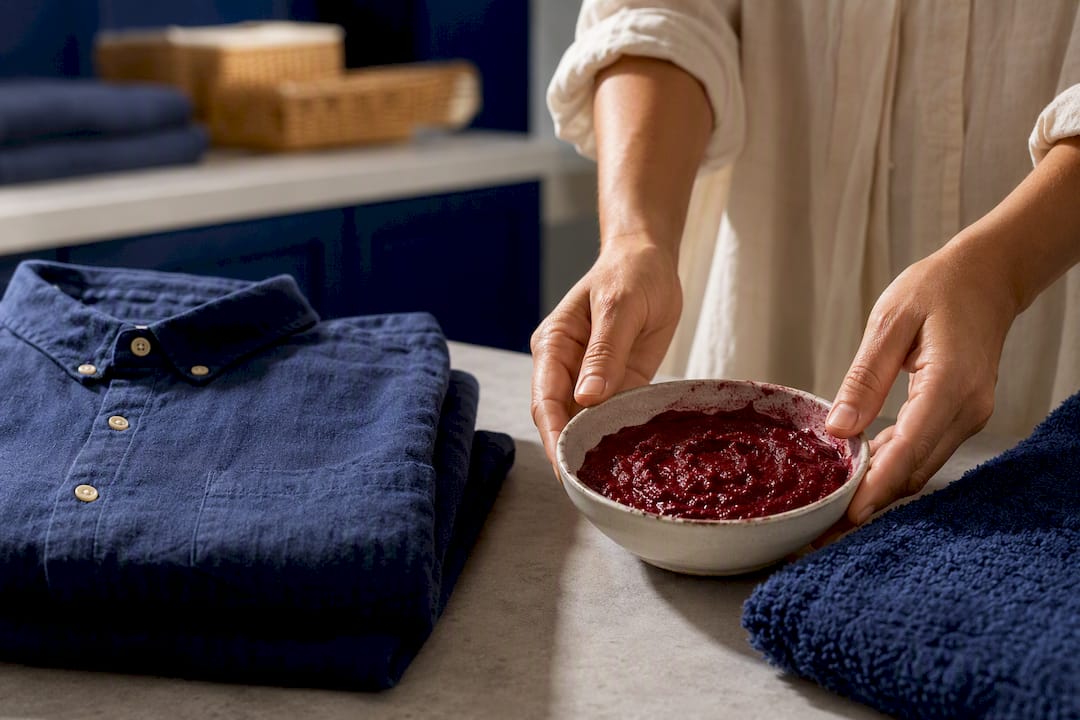
Pro Tip: Hibiscus, especially deep red varieties, can stain light hair, fabric, and countertops. Wear an old shirt, work over a towel, and skip a heavy hibiscus mask in the 48 hours right before any color service.
Hibiscus for Hair Loss: Safety, Allergies, and How Often to Use It
Before applying anything new to your scalp, patch test it. Dab a small amount of the oil or paste behind your ear or on your inner forearm, then wait 48 hours.
- Watch for redness, itching, swelling, or small bumps at the test site.
- If you notice irritation, rinse immediately with cool water and skip the treatment.
- Postpartum itchy scalp and postpartum scalp dryness are common on their own, so introduce hibiscus gradually rather than layering it onto already-sensitive skin.
- If you’re pregnant, breastfeeding, or newly postpartum and unsure whether a topical is appropriate, check with your clinician first, especially for anything beyond localized scalp use.
| Method | Suggested frequency | Signs you’re overdoing it |
|---|---|---|
| Oil infusion | 2 to 3 times weekly | Persistent oiliness, clogged follicles, breakouts along hairline |
| Hair mask | 1 to 2 times weekly | Scalp feels stripped or unusually dry between uses |
| Water rinse | Daily to a few times weekly | Increased dryness or flaking despite regular use |
Significant, sudden shedding or hair loss in a scarring or patchy pattern isn’t something a botanical rinse addresses. Johns Hopkins Medicine advises seeing a clinician for postpartum hair loss that feels excessive or doesn’t taper off within several months.
Building Hibiscus Into a Long-Term Hair Routine
Hibiscus pairs naturally with other Ayurvedic staples. Brahmi and bhringraj both bring their own scalp-supportive properties, and blending them into a coconut or sesame oil base rounds out a more complete treatment than hibiscus alone.
- Starter schedule: hibiscus oil twice weekly plus a rinse on off-days for four to six weeks.
- Maintenance schedule: once-weekly mask or oil treatment once your scalp and hair texture stabilize.
- Timeline: expect shine and softness improvements within two to four weeks; meaningful changes to growth or density, if they happen at all, take several months and vary widely.
- When to escalate: rapid shedding, visible scalp patches, or scarring calls for a dermatologist visit, not another DIY round. Explore more scalp-nourishing herbs to build out a fuller rotation over time.
Why Crisanbeauty Treats Hibiscus as Support, Not a Cure
Crisanbeauty was built after one founder’s own postpartum hair loss made clear how much hype exists around “miracle” botanicals. Our formulations use plant-based, Ayurvedic-inspired blends, manufactured in the USA, chosen for what the evidence actually supports rather than what sells best. Hibiscus has a place in that approach. So does honesty about what it can’t do on its own.
— CRISAN
A Simpler Way to Get Hibiscus’s Benefits, Formulated Right
DIY hibiscus oil works, but sourcing fresh petals, infusing them safely, and repeating the process weekly takes real effort, and potency swings depending on where your hibiscus came from and how you processed it. Crisanbeauty’s Ayurvedic Hair Growth Oil for Thinning Hair solves that inconsistency with a plant-based blend formulated for standardized dosing every time you use it, so you’re not guessing whether this batch was as strong as the last.
If you’d rather support hair strength from the inside while your topical routine does its work, the Complete Hair Essentials daily vitamin rounds out the approach with nutrients your scalp treatments can’t deliver on their own. Both products complement, rather than replace, a hibiscus-based routine. If you’re building sustainable habits around your hair rather than chasing quick fixes, sites like Xolapp cover how wellness brands think about long-term consumer trust, a philosophy that matches how Crisanbeauty formulates. Visit the Ayurvedic Hair Growth Oil page to see the full ingredient breakdown and pick the format that fits your routine.
Sources
- In vivo and in vitro evaluation of hair growth potential of Hibiscus rosa-sinensis Linn - PubMed
- Hibiscus flower extract as a natural hair growth stimulant: A comprehensive review of mechanism and application | International Journal of Medical Studies
- Hibiscus for Hair: Can It Regrow Hair? - Healthline
- PMC review article on hibiscus phytochemistry and therapeutic properties


