


Scalp massage for hair growth is defined as the repeated mechanical stimulation of the scalp using fingertip pressure to activate hair follicles and extend the active growth phase. Clinical research confirms this works. 68.9% of participants who practiced daily scalp massage for six months reported hair stabilization or regrowth. That number matters because it shows consistent technique produces real, measurable results. The key word is consistent. Occasional rubbing does nothing. A structured daily practice, paired with the right products and realistic expectations, gives your follicles the stimulus they need to respond.
How does scalp massage stimulate hair follicles?
The primary mechanism behind scalp massage is mechanical, not circulatory. Most people assume the benefit comes from increased blood flow. Blood flow helps, but it is not the main driver. Mechanical stretching of dermal papilla cells triggers gene expression changes that directly extend the anagen phase, which is the active hair growth phase. Without that physical stretch, you are not getting the full biological response.
Specifically, firm pressure during massage upregulates growth-associated genes including BMP4 and Shh, while simultaneously downregulating genes linked to hair loss. This is a meaningful distinction. Light superficial massage is ineffective because it does not produce enough mechanical force to trigger these gene-level changes. You need firm, deliberate pressure.
Scalp massage also reduces local concentrations of stress hormones like cortisol in the scalp tissue. Elevated cortisol is a known contributor to telogen effluvium, the stress-related hair loss pattern. Reducing it locally creates a better environment for follicle activity. This is why scalp massage is particularly effective for people experiencing stress-related thinning.
Pro Tip: Focus firm pressure on your crown and thinning zones first. These areas have the highest density of miniaturizing follicles and respond most directly to mechanical stimulation. Spend at least half your session time there before moving to the rest of the scalp.
What are the best scalp massage techniques for hair growth?
Technique determines whether your massage produces a biological response or just feels relaxing. The difference comes down to pressure, motion, and consistency.
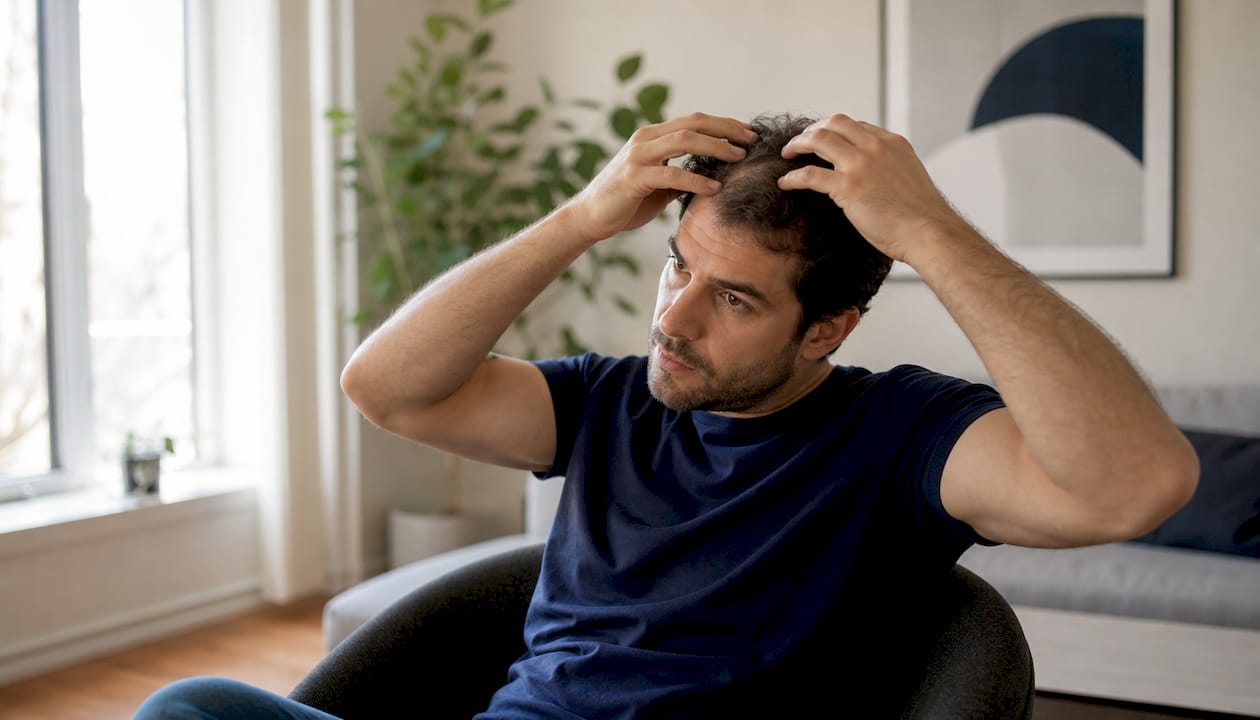
Use the pads of your fingertips, never your nails. Place all ten fingers across your scalp and apply firm, circular pressure. The goal is to move the scalp skin itself, not just glide across the surface. You should feel the scalp shift slightly under your fingers. That movement is the mechanical stretch that activates dermal papilla cells.
Three core movements make up an effective scalp massage routine:
- Pressing: Place fingertips firmly on the scalp and hold steady pressure for 3–5 seconds before releasing. Work section by section from the hairline to the crown.
- Circular rubbing: Move fingertips in small, firm circles without lifting them from the scalp. Cover the entire scalp, spending extra time on thinning areas.
- Pinching and stretching: Gently grip small sections of scalp between fingers and thumbs, then stretch lightly. This directly mimics the mechanical stimulus shown in clinical research.
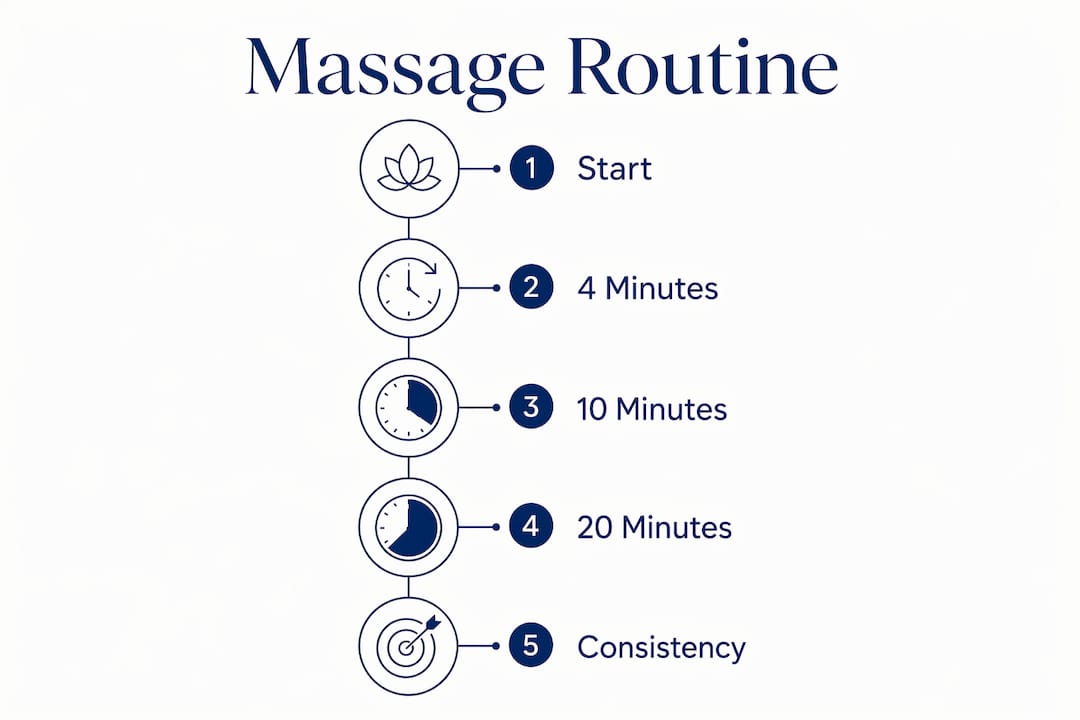
Recommended session duration is 4–20 minutes daily, either in one session or split into two. Starting at 4 minutes and building up is practical for most people. The most common mistakes are using too light a touch, relying on nails instead of fingertip pads, and applying excessive friction that irritates the scalp surface without producing the deeper mechanical stretch.
Optional tools include silicone scalp massagers, which can help maintain consistent pressure and reach the back of the scalp more easily. They are not required, but they do help people who struggle with hand fatigue.
Pro Tip: Apply a lightweight serum containing caffeine, biotin, or diluted rosemary oil before your massage session. The mechanical action of the massage enhances serum absorption into the scalp, so the active ingredients reach follicles more effectively than passive application alone.
How long does it take to see results from scalp massage?
Results from scalp massage require patience. Consistency over 4–9 months and approximately 36 cumulative hours of massage are needed for noticeable density improvements. That timeline reflects how long hair follicles take to complete a full growth cycle and respond to sustained mechanical stimulus.
The table below shows what to expect at each stage of a consistent daily practice.
| Timeframe | Session length | What to expect |
|---|---|---|
| Weeks 1–4 | 4–10 minutes daily | Scalp feels more relaxed; possible temporary shedding increase |
| Weeks 4–12 | 10–15 minutes daily | Subtle texture changes; reduced scalp tension |
| Weeks 12–24 | 15–20 minutes daily | Early thickness improvements in thinning zones |
| 24 weeks | 4–20 minutes daily | Hair thickness increased 8.2% on average in clinical trials |
| 4–9 months | 4–20 minutes daily | Measurable density gains; stabilization or regrowth in most consistent users |
One important detail: some people experience increased shedding in the first few weeks. This is not damage. Transient shedding in early weeks reflects follicles shifting from the resting phase (telogen) into the active growth phase (anagen). It is a sign the follicles are responding. If shedding persists beyond 8 weeks, consult a dermatologist to rule out other causes.
Avoid over-massaging. Sessions longer than 20 minutes or done with excessive force can irritate the scalp and cause inflammation, which works against follicle health. More is not better here. Firm, consistent, and correctly timed practice produces the best outcomes.
What scalp treatments and habits support massage results?
Scalp massage works best when the scalp environment supports it. A congested, inflamed, or dry scalp limits how well follicles respond to mechanical stimulation. Addressing the scalp’s health directly multiplies the benefits of your massage practice.
Lightweight serums containing caffeine, pumpkin seed extract, biotin, or diluted rosemary oil are the most effective topical companions to massage. These actives support follicle function without clogging pores. Heavy oils and greasy products sit on the scalp surface and can block follicle openings, which counteracts the stimulation you are working to create. A scalp detox mask used weekly helps clear buildup and maintain the clean follicle environment that makes massage more effective.
Scalp microbiome and barrier health directly affect how well serums absorb and how well follicles function. Regular, gentle cleansing keeps the microbiome balanced without stripping the scalp’s natural moisture. Harsh sulfate shampoos used too frequently disrupt this balance and create the dry, reactive scalp conditions that slow hair growth.
Here is a practical do’s and don’ts list for combining scalp care with your massage routine:
Do:
- Cleanse your scalp 2–3 times per week with a gentle, sulfate-free shampoo
- Apply a lightweight serum before each massage session
- Use a scalp detox powder mask once a week to clear follicle-blocking buildup
- Eat adequate protein, iron, and zinc to support hair structure from within
- Manage stress through sleep, exercise, and consistent daily routines
Don’t:
- Apply heavy, undiluted oils directly to the scalp before massage
- Wear tight hairstyles that create traction on thinning areas
- Skip cleansing after oil-based treatments, which leads to buildup
- Expect massage alone to reverse hair loss caused by hormonal or nutritional deficiencies
- Use nails or excessive friction during massage sessions
Hair loss is multifactorial, and scalp massage alone will not address internal causes like hormonal imbalance or nutrient deficiency. Pairing your massage practice with good nutrition, stress management, and professional guidance when needed gives you the best possible outcome.
Key Takeaways
Scalp massage promotes hair growth through mechanical follicle stimulation, and consistent daily practice over 4–9 months produces measurable thickness and density improvements when paired with a clean scalp and supportive topical treatments.
| Point | Details |
|---|---|
| Mechanism is mechanical | Firm fingertip pressure stretches dermal papilla cells and triggers growth-gene activation. |
| Consistency drives results | Daily sessions totaling approximately 36 cumulative hours produce noticeable density gains. |
| Technique matters more than duration | Firm circular pressure and pinching motions outperform light rubbing regardless of session length. |
| Pair with lightweight serums | Caffeine, biotin, and rosemary oil serums absorb better when applied before massage. |
| Scalp health amplifies results | Regular cleansing and a balanced scalp microbiome maximize follicle response to stimulation. |
What I have learned from years of scalp massage practice
Scalp massage changed how I think about hair care after my own experience with postpartum hair loss. The honest truth is that most people do it wrong for months before they see results, and then they quit right before the turning point.
The biggest mistake I see is treating massage like a gentle spa ritual. It is not. Structured massage with firm pressure on the crown and thinning zones produces a biological response. Casual rubbing does not. The difference in pressure feels almost uncomfortable at first, but that is exactly the level of stimulus your follicles need.
I also want to be direct about something most articles skip: scalp massage is an adjunct, not a cure. If your hair loss has a hormonal or nutritional root cause, massage alone will not reverse it. Scalp massage works best as part of a complete plan that includes nutrition, stress management, and medical guidance when appropriate. A dermatologist can identify whether your thinning has a treatable underlying cause, which changes everything about your approach.
What I find most encouraging is the stress-related hair loss connection. Scalp massage reduces local cortisol concentrations, which means it addresses one of the most common modern triggers for thinning directly. For people whose hair loss is stress-driven, this practice can be genuinely transformative when done consistently and correctly.
Build the habit before you expect the result. Four minutes a day is enough to start. The scalp environment health piece matters just as much as the massage itself. A clean, hydrated, well-nourished scalp responds faster and more visibly than one that is congested or inflamed.
— CRISAN
Crisanbeauty products that work alongside your scalp massage routine
Scalp massage creates the stimulus. The right products create the environment where that stimulus produces results.
Crisanbeauty formulates plant-based, Ayurvedic-inspired products specifically for people dealing with thinning hair. The Ayurvedic Hair Growth Oil is designed to be applied before massage, delivering botanical actives directly to the follicle while your fingertips drive absorption deeper into the scalp. For people who want a complete starting point, the hair growth bundle pairs oils with vitamins to support hair health from both outside and inside. Every product is manufactured in the USA using carefully selected ingredients, with no unrealistic promises. Just consistent, plant-based support for the routine you are already building.
FAQ
Does scalp massage actually help with hair loss?
Yes. 68.9% of participants practicing daily scalp massage for six months reported hair stabilization or regrowth. Results depend on consistent technique and addressing any underlying causes of hair loss alongside massage.
How many minutes of scalp massage do you need per day?
Daily sessions of 4–20 minutes are recommended, with approximately 36 cumulative hours needed for measurable density improvements. Starting at 4 minutes and gradually increasing is the most practical approach.
Can scalp massage cause more hair to fall out at first?
Yes, temporary increased shedding in the early weeks is normal. It reflects follicles shifting from the resting phase into the active growth phase and typically resolves within 4–8 weeks of consistent practice.
What is the best oil or serum to use with scalp massage?
Lightweight serums containing caffeine, pumpkin seed extract, biotin, or diluted rosemary oil are the most effective options. Avoid heavy, undiluted oils that can block follicle openings and reduce the benefits of massage.
How long before scalp massage produces visible results?
Initial subtle changes appear at 4–12 weeks. Measurable hair thickness improvements are typically reported at 24 weeks, with full density gains observed after 4–9 months of daily practice.
Recommended
- Scalp Detox Hair Mask for Hair Growth & Clean Scalp | CRISAN – CRISAN Beauty
- Ayurvedic Hair Growth Oil for Thinning Hair | CRISAN – CRISAN Beauty
- Scalp Detox Powder Mask for Hair Growth | CRISAN – CRISAN Beauty
- The Best Hair Oiling Routine for Hair Growth: – CRISAN Beauty


