


Scalp psoriasis is defined as a chronic autoimmune skin condition that causes thick, scaly plaques on the scalp, and up to 80% of psoriasis patients experience scalp involvement at some point. That statistic matters because the scalp’s dense follicular structure and skin barrier make it one of the hardest areas to treat. Natural remedies for scalp psoriasis, including botanical extracts, plant-based oils, and supportive home care, offer real symptom relief with fewer side effects than many conventional options. Crisanbeauty, a Texas-based plant-based hair care brand rooted in Ayurvedic tradition, has long championed this approach. Used consistently, these remedies reduce redness, itching, and scaling in as little as two to four weeks.
1. What are the top natural remedies for scalp psoriasis?
The ten remedies below are supported by clinical research or established dermatological practice. Each targets a different aspect of scalp psoriasis, from plaque thickness to itching to infection risk.
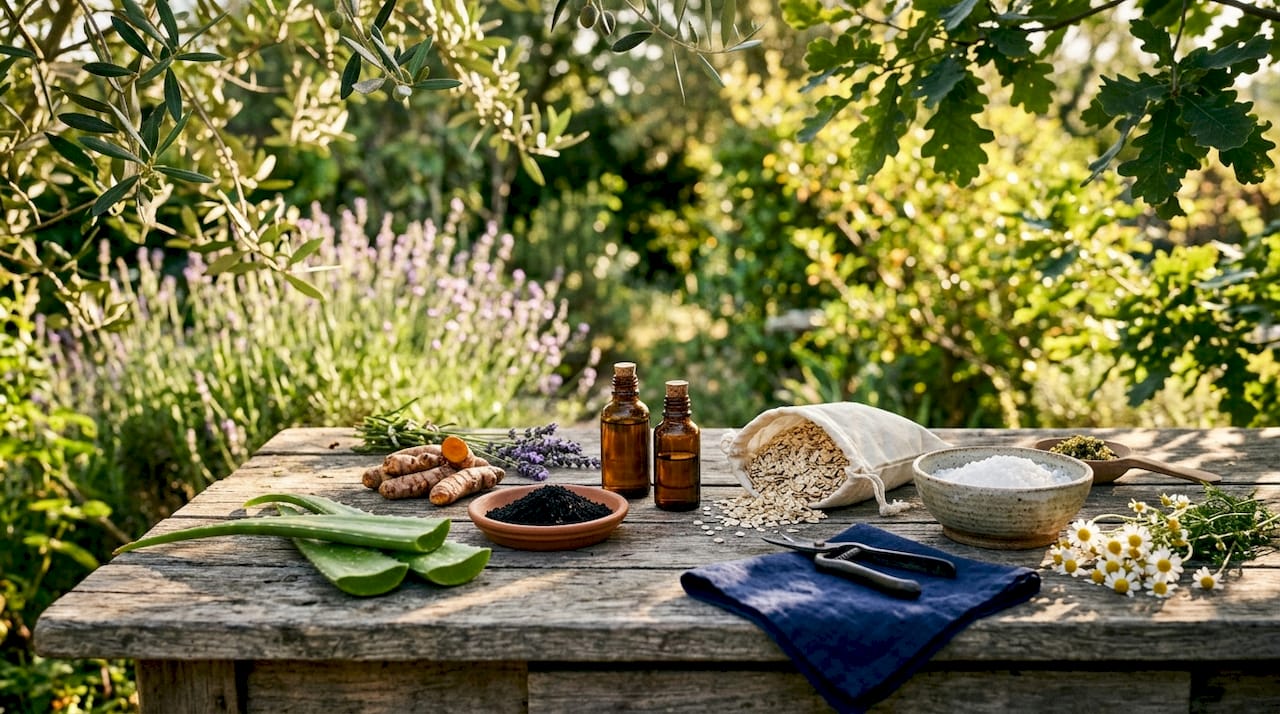
Mahonia aquifolium (Oregon grape)
Mahonia aquifolium cream at a 10% concentration significantly lowers plaque thickness and redness within 2–4 weeks in mild-to-moderate psoriasis. It works by inhibiting keratinocyte growth, which is the same mechanism targeted by some prescription treatments. Apply a thin layer to affected areas twice daily and leave it on for at least 30 minutes before rinsing.
Aloe vera
Aloe vera applied three times daily for four weeks produces significant improvements in plaque severity scores. It moisturizes the scalp, reduces redness, and calms the inflammatory response without clogging follicles. Pure aloe gel works best; avoid formulations with alcohol or artificial fragrance, which can worsen irritation.
Turmeric (curcumin)
Topical turmeric gel reduces scaly lesions and inflammation in psoriatic skin. Curcumin blocks NF-kB, a key inflammatory pathway active in psoriasis flares. You can also take curcumin supplements orally, though topical application delivers more direct relief to the scalp.
Neem
Neem’s anti-inflammatory and antimicrobial properties reduce dryness, itching, and the risk of secondary infection from scratching. Neem oil is dense, so dilute it with a lighter carrier oil like jojoba before applying to the scalp. It also supports the skin barrier, which is particularly important given how scalp barrier dysfunction drives treatment resistance.
Black cumin seed oil
Black cumin seed oil reduces skin thickness and fissuring in psoriasis. Its active compound, thymoquinone, suppresses inflammatory cytokines. Massage a small amount directly into the scalp and leave it on for at least one hour before washing out.
Garlic extract
Topical garlic extract shows anti-inflammatory properties and may enhance the effect of other treatments. Use it cautiously. Undiluted garlic can cause contact burns on sensitive skin, so always dilute it and limit application time to 15–20 minutes.
Tea tree oil
Tea tree oil is a well-documented antimicrobial agent that reduces scalp inflammation and controls the microbial imbalance that worsens psoriasis flares. Dilute it to a 5% concentration in a carrier oil before applying. Never apply undiluted tea tree oil directly to broken or inflamed skin.
Colloidal oatmeal
Colloidal oatmeal has antioxidant and anti-inflammatory properties that soothe dry, itchy skin. It forms a protective film on the scalp surface, locking in moisture and reducing the urge to scratch. Use it as a scalp mask or add it to a lukewarm bath for full-body relief.
Dead Sea salts and Epsom salts
Dead Sea and Epsom salt baths soften scales and reduce itching through mineral anti-inflammatory effects. The magnesium in these salts lowers skin inflammation and improves hydration. Soak for 15 minutes in lukewarm water, then apply a moisturizer immediately after to seal in the benefit.
Capsaicin
Capsaicin, the active compound in chili peppers, reduces itching by depleting substance P, the neuropeptide that transmits itch signals. Topical capsaicin creams are available over the counter. Expect a mild burning sensation during the first few applications; this fades with consistent use.
Pro Tip: Always do a patch test on your inner arm before applying any new botanical remedy to your scalp. Wait 24 hours to check for redness or irritation before full application.
2. How to apply natural remedies for scalp psoriasis effectively
Correct application makes the difference between a remedy that works and one that sits on the surface doing nothing. Follow these steps to get the most from your scalp psoriasis home care routine.
- Soften scales first. Apply a warm, damp towel to the scalp for five minutes before any treatment. Softened scales allow active ingredients to penetrate more effectively.
- Dilute essential oils properly. Mix tea tree oil, neem, or garlic extract with a carrier oil at a ratio of no more than 5% essential oil to 95% carrier. This prevents contact dermatitis.
- Apply with fingertip pressure. Use your fingertips, not your nails, to work oils and gels into the scalp. Scratching with nails breaks the skin and increases infection risk.
- Use occlusive agents to seal moisture. After applying a botanical oil or gel, a thin layer of petroleum jelly over the treated area locks in moisture and extends the remedy’s contact time with the skin. This technique is especially useful overnight.
- Be consistent for at least 2–4 weeks. Botanical treatments require consistent application over 2–4 weeks to show significant reductions in plaque thickness and scaling. Immediate relief is uncommon, so patience is non-negotiable.
- Stop if skin breaks down. Discontinue any topical remedy on open, cracked, or bleeding skin. Broken skin absorbs compounds at higher rates and increases irritation risk.
- Complement, don’t replace, medical care. Botanical extracts work best as part of a broader strategy, particularly for moderate-to-severe psoriasis. Always discuss natural remedies with your dermatologist before reducing or stopping prescribed treatments.
Pro Tip: Apply your chosen oil or botanical cream at night and cover your hair with a shower cap. The extended contact time overnight produces noticeably better results than a quick daytime application.
3. Lifestyle and home care practices that support scalp psoriasis treatment
Natural remedies work best when your daily habits support them. These lifestyle adjustments reduce flare frequency and improve how well topical treatments perform.
- Moisturize daily. A dry scalp triggers more flaking and itching. Apply a fragrance-free, plant-based oil or cream every day, even when symptoms are mild. Crisanbeauty’s Ayurvedic-inspired formulas are built around this principle.
- Use a humidifier indoors. Dry indoor air, especially in winter, strips moisture from the scalp. A humidifier set to 40–50% humidity keeps skin hydrated between treatments.
- Switch to gentle shampoos. Salicylic acid in shampoos softens plaques, reduces itching, and lowers redness. Look for formulas labeled keratolytic, which means they help break down and remove scale buildup. You can find more options in this guide to nourishing scalp treatments from Crisanbeauty.
- Avoid heat styling and harsh chemicals. High heat and chemical treatments like bleach or relaxers damage the scalp barrier, which is already compromised in psoriasis. Air-dry your hair whenever possible.
- Brush gently with a soft-bristle brush. Aggressive brushing tears plaques and causes bleeding. A soft-bristle brush loosens scale without traumatizing the skin.
- Eat an anti-inflammatory diet. Omega-3 fatty acids found in salmon, walnuts, and flaxseed reduce systemic inflammation that feeds psoriasis flares. Reducing processed sugar and refined carbohydrates also lowers inflammatory markers.
- Manage stress actively. Stress is one of the most consistent psoriasis triggers. Practices like yoga, meditation, and regular aerobic exercise lower cortisol levels, which directly reduces flare frequency.
“Psoriasis is not just a skin condition. It is an inflammatory disease that responds to what you eat, how you sleep, and how you manage stress. Treating the scalp in isolation, without addressing these factors, produces limited and short-lived results.” Plant-Based Approaches to Psoriasis
For a deeper look at how plant-based ingredients support scalp health at the cellular level, the plant-based ingredients guide from Crisanbeauty covers the science clearly.
4. Comparing natural remedies by efficacy, safety, and suitability
Not every remedy suits every person. This table helps you match the right treatment to your scalp condition and sensitivity level.
| Remedy | Primary Effect | Clinical Evidence | Tolerability | Best For |
|---|---|---|---|---|
| Mahonia aquifolium | Anti-inflammatory, anti-proliferative | Strong (2–4 week improvement) | Good | Mild to moderate plaques |
| Aloe vera | Moisturizing, anti-inflammatory | Strong (PASI score reduction) | Excellent | Sensitive or dry scalp |
| Turmeric (curcumin) | Anti-inflammatory | Moderate (topical gel studies) | Good | Redness and scaling |
| Neem oil | Antimicrobial, moisturizing | Moderate | Good (diluted) | Itching and infection risk |
| Black cumin seed oil | Anti-inflammatory, barrier repair | Moderate | Good | Thick plaques and fissuring |
| Colloidal oatmeal | Soothing, antioxidant | Good (eczema and psoriasis) | Excellent | Itching and dryness |
| Dead Sea salts | Scale softening, mineral therapy | Good | Excellent | Scale buildup and inflammation |
| Tea tree oil | Antimicrobial | Moderate | Fair (must dilute) | Microbial imbalance |
| Capsaicin | Itch relief (substance P depletion) | Good | Fair (initial burning) | Chronic itch |
| Garlic extract | Anti-inflammatory | Limited | Poor (irritation risk) | Use with caution only |
Strengthening the skin barrier is a foundational step before applying any topical remedy, since a compromised barrier reduces absorption and increases irritation risk.
Mild scalp psoriasis responds well to aloe vera, colloidal oatmeal, and Dead Sea salt baths. Moderate psoriasis benefits most from Mahonia aquifolium cream, black cumin seed oil, and neem. Sensitive scalps should start with aloe vera or colloidal oatmeal and introduce other botanicals one at a time.
Key Takeaways
The most effective natural approach to scalp psoriasis combines anti-inflammatory botanicals like Mahonia aquifolium and aloe vera with consistent application, gentle scalp care, and lifestyle changes that reduce systemic inflammation.
| Point | Details |
|---|---|
| Botanical remedies need time | Apply consistently for 2–4 weeks before expecting visible plaque reduction. |
| Dilution prevents irritation | Always dilute essential oils like tea tree and neem to 5% or less in a carrier oil. |
| Lifestyle amplifies results | Anti-inflammatory diet, stress management, and gentle hair care reduce flare frequency. |
| Match remedy to severity | Aloe vera suits sensitive scalps; Mahonia aquifolium and black cumin oil target moderate plaques. |
| Natural remedies complement medical care | Use botanical treatments alongside, not instead of, dermatologist-prescribed therapies for moderate-to-severe cases. |
What I’ve learned from years of working with botanical scalp care
Most people who try natural remedies for scalp psoriasis give up too early. They apply an oil twice, see no change, and conclude it doesn’t work. That’s the wrong expectation. Botanical treatments work on a slower timeline than corticosteroid creams, and that’s actually a feature, not a flaw. They’re rebuilding the scalp environment rather than suppressing symptoms temporarily.
What I’ve found works consistently is layering remedies. Start with a keratolytic shampoo containing salicylic acid to clear scale. Follow with a nourishing botanical oil like neem or black cumin seed. Seal with a light occlusive agent overnight. That three-step sequence addresses scale, inflammation, and moisture loss at the same time.
The other thing I’d push back on is the idea that natural means risk-free. Garlic and undiluted tea tree oil cause real burns on sensitive skin. Patch testing isn’t optional. It’s the step that separates a good outcome from a painful setback.
For anyone dealing with moderate or severe scalp psoriasis, please work with a dermatologist. Natural remedies are genuinely effective adjuncts, but they’re not a substitute for systemic treatment when the condition is severe. The goal is to use both wisely.
— CRISAN
Crisanbeauty’s plant-based approach to scalp health
If you’re ready to put these principles into practice, Crisanbeauty’s Ayurvedic Hair Growth Oil brings together botanicals rooted in generations of Ayurvedic tradition, formulated specifically to soothe the scalp and support healthier hair growth. Every ingredient is plant-based and manufactured in the USA.
The formula draws on the same anti-inflammatory and nourishing principles covered throughout this article, making it a natural fit for anyone building a consistent scalp care routine. Crisanbeauty was founded on the belief that plant-based care, applied with patience and knowledge, produces real, lasting results. Your scalp deserves that kind of attention.
FAQ
What is the most effective natural remedy for scalp psoriasis?
Mahonia aquifolium (Oregon grape) cream at 10% concentration is among the most clinically supported options, showing significant plaque reduction within 2–4 weeks. Aloe vera is the best choice for sensitive scalps due to its excellent tolerability and documented severity score improvements.
How long does it take for natural remedies to work on scalp psoriasis?
Most botanical treatments require consistent daily application for at least 2–4 weeks before producing visible results. Immediate relief is uncommon with natural psoriasis solutions, so consistency is the key factor.
Can essential oils help with scalp psoriasis itching?
Tea tree oil and neem oil both reduce scalp inflammation and itching when properly diluted to a 5% concentration in a carrier oil. Undiluted essential oils can cause contact burns and should never be applied directly to the scalp.
Should I stop my prescribed treatment when using natural remedies?
No. Botanical extracts work best as part of a broader treatment strategy and should complement, not replace, dermatologist-prescribed therapies, especially for moderate-to-severe scalp psoriasis.
Does diet affect scalp psoriasis symptoms?
Yes. An anti-inflammatory diet rich in omega-3 fatty acids from sources like salmon, walnuts, and flaxseed reduces the systemic inflammation that drives psoriasis flares. Reducing processed sugar also lowers inflammatory markers linked to flare frequency.


