


Start here: rinse your scalp with lukewarm water, work in a medicated anti-dandruff shampoo built around ketoconazole, zinc pyrithione, or selenium sulfide, and leave it on for the full recommended time before rinsing thoroughly. If the itch is mild and you want a natural itchy scalp treatment to layer in, a peppermint oil massage properly diluted in a carrier oil can calm irritation within days. Stop and call a doctor if you notice open sores, sudden hair loss, spreading rash, fever, or pain that feels out of proportion to a simple flake problem.
Two facts should shape how seriously you take this. A 2016 randomized trial found that peppermint oil applied twice daily for two weeks meaningfully reduced itch in participants, providing unusually solid evidence for a natural remedy. According to the American Academy of Dermatology, a significant proportion of people with plaque psoriasis have scalp involvement, a condition that standard dandruff shampoo will not fix.
- Rinse first, then apply a medicated shampoo matched to your suspected cause.
- Try a diluted peppermint or tea tree oil massage for short-term relief.
- Watch for sores, spreading rash, fever, or sudden shedding as your signal to see a clinician.
Key Takeaways
Matching your remedy to your actual cause, whether that’s dandruff, dryness, or psoriasis, determines whether treatment works in weeks or drags on for months.
| Point | Details |
|---|---|
| Identify the cause first | Oily yellow flakes, dry white flakes, and silvery plaques point to different conditions and different fixes. |
| Peppermint oil has real backing | A 2016 trial showed twice-daily diluted peppermint oil reduced itch over two weeks. |
| Dilute before you apply | Keep essential oils at 0.5% to 2% in a carrier oil and always patch test for 24 hours first. |
| Rotate medicated actives | Stick with one active ingredient for 2 to 4 weeks before switching rather than overusing it. |
| Crisanbeauty supports the routine | Its non-comedogenic, low-fragrance plant oils fit as the pre-wash oiling step in a broader itch-relief routine. |
Table of Contents
- What’s Actually Causing Your Itchy Scalp?
- Home Remedies That Are Actually Backed by Evidence
- Which Medicated Shampoo Actually Works for You?
- Building a Routine That Tells You What Actually Works
- What Most Advice Gets Wrong About Scalp Itch
- Try Crisanbeauty’s Plant-Based Approach to Scalp Care
- Frequently Asked Questions
- Sources
What’s Actually Causing Your Itchy Scalp?
Not every itch responds to the same fix, and guessing wrong wastes weeks. The texture, color, and pattern of what you’re seeing on your scalp tell you more than any product label ever will.
- Dandruff and seborrheic dermatitis. Flakes tend to be oily, yellowish, and clustered near the hairline, often paired with mild redness. This is the most common cause and usually responds to OTC medicated shampoo within two to four weeks.
- Dry scalp. Flakes are smaller, drier, and whiter, and the itch often worsens in winter or after hot showers. Moisture, not medication, is the fix here.
- Scalp psoriasis. Plaques are thicker, silvery-white, and raised, often extending past the hairline onto the forehead or neck, according to Harvard Health. Because roughly half of plaque psoriasis patients have scalp involvement, this isn’t a rare curveball. It typically needs dermatologist-directed care rather than standard dandruff shampoo.
- Contact dermatitis. A new shampoo, dye, or styling product triggers redness and itching that tracks closely with where the product touched your skin.
- Head lice. Look for tiny white eggs (nits) glued near the root and visible movement, especially behind the ears.
- Tinea capitis (scalp ringworm). Patchy hair loss with scaling and sometimes broken hairs is a hallmark, particularly in children.
- Neuropathic or stress-related itch. No visible rash or flaking, yet the itch persists, often tied to nerve sensitivity or chronic stress.
A quick self-check helps: is the flake oily or dry, is there a raised plaque, do you see eggs or breakage, and is the itch confined to one irritated patch or spread across your whole scalp? The National Psoriasis Foundation notes that identifying the root cause before treating is the single biggest factor in whether a remedy works. If lice or ringworm seem likely, OTC options often aren’t enough, and the Mayo Clinic recommends prescription treatment in many cases. Red flags that mean “see a clinician now” include bleeding plaques, rapidly spreading patches, fever, or hair loss you can’t explain by styling habits.
Home Remedies That Are Actually Backed by Evidence
Not every kitchen-cabinet fix deserves your scalp. These five have real support behind them, and each comes with a right way and a wrong way to use it.
Pre-wash oiling. Massaging a lightweight plant oil into your scalp before shampooing helps loosen buildup and calm dryness. Hairstylists frequently point to jojoba oil because its structure closely resembles natural sebum, so it hydrates without clogging follicles. Leave it on for 20 to 30 minutes, or overnight if your scalp tolerates it, then rinse with your regular cleanser.
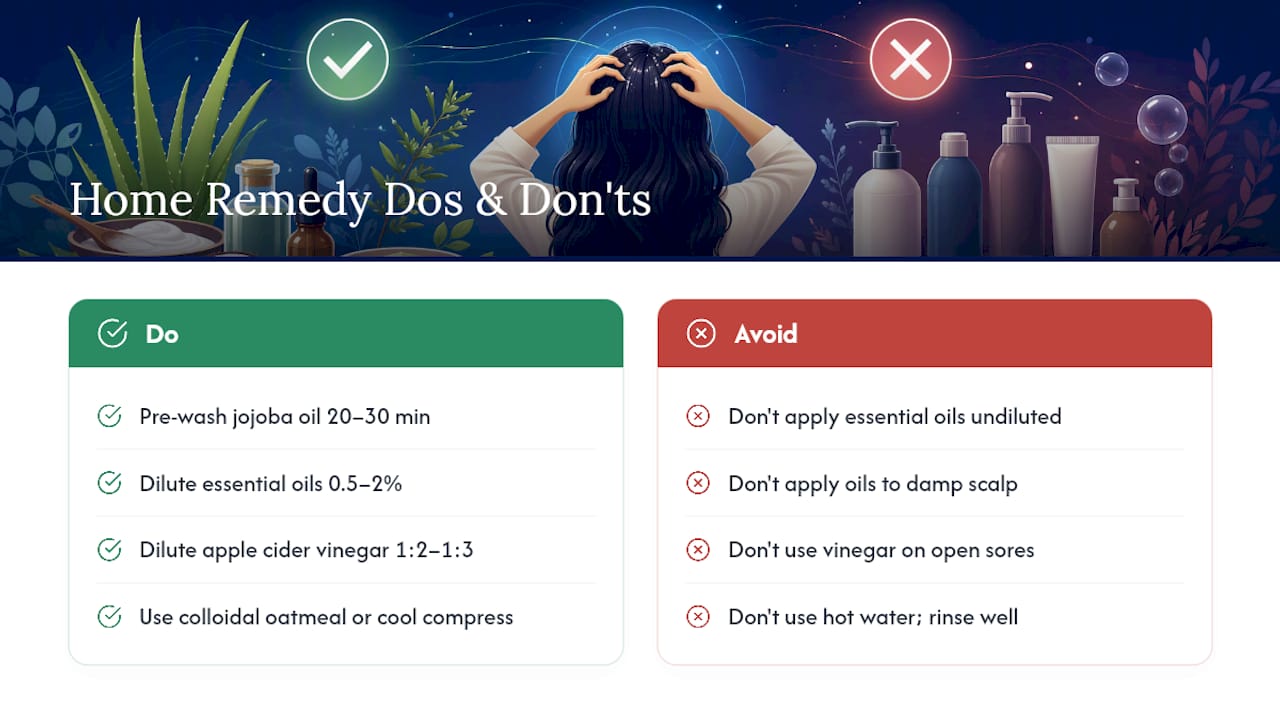
Diluted essential oils. Peppermint oil has the strongest research behind it. The 2016 trial mentioned above used twice-daily application over two weeks and saw a measurable drop in itch. Tea tree oil is another common choice for an anti itch scalp oil blend, though it needs the same caution. Never apply either undiluted. Essential oils can irritate skin at full strength, and the safe range for adult scalp use is about 0.5% to 2% essential oil diluted in a carrier oil, roughly 3 to 12 drops per ounce. Patch test on your inner forearm for 24 hours before your first scalp application, and stop immediately if you notice burning, redness, or swelling.
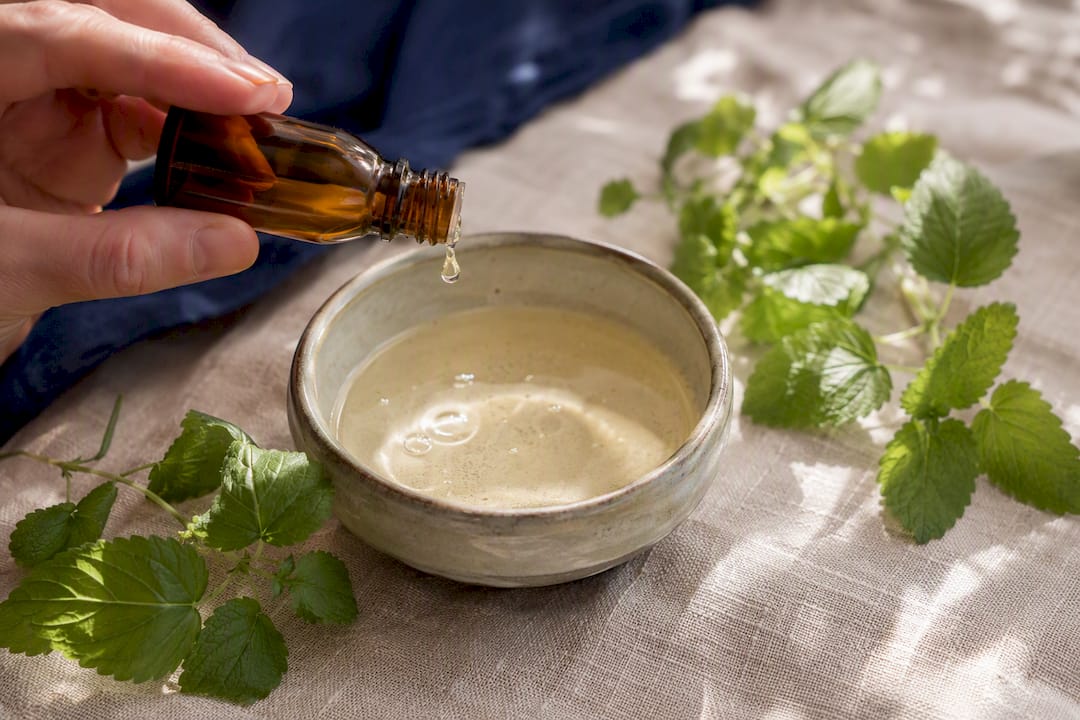
Apple cider vinegar rinse. Diluting one part vinegar with two to three parts water and using it as a final rinse can help rebalance scalp pH and reduce flaking for some people. Skip it entirely if you have open sores, cracked skin, or active psoriasis plaques, since the acidity will sting and can slow healing.
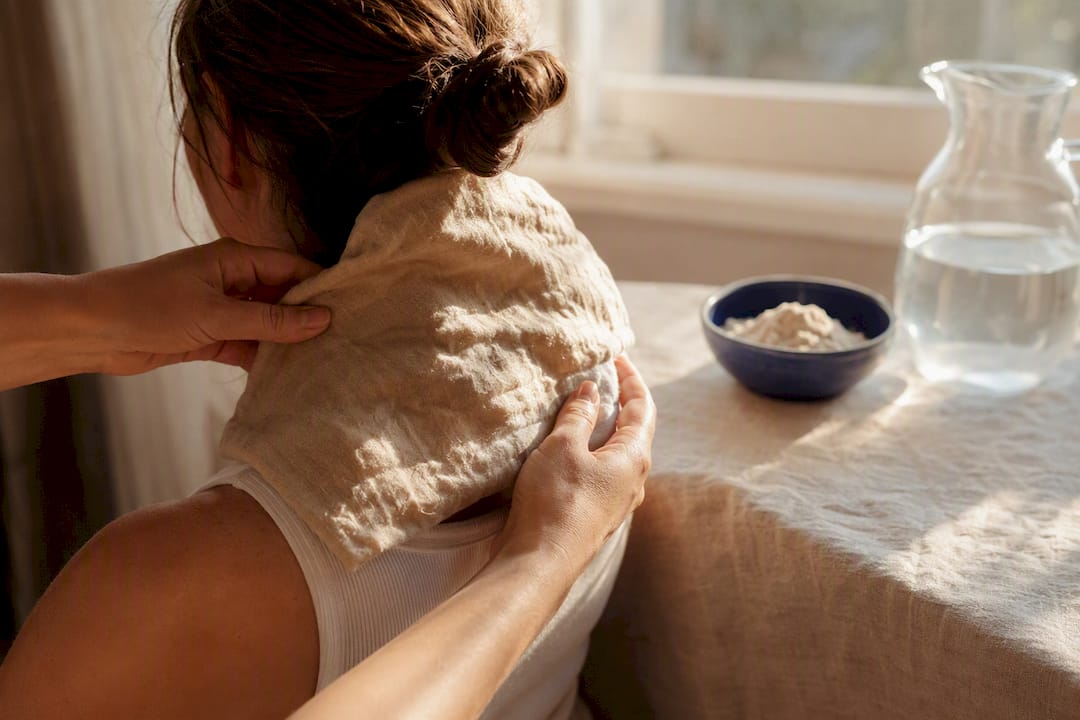
Colloidal oatmeal and cooling. Oatmeal-based masks or cooling compresses calm surface irritation fast, especially useful when the itch flares from heat or sweat. Pairing physical relief with stress reduction, even something as simple as a nightly ten-minute meditation, can lower how intensely you perceive the itch, since stress is a known amplifier of skin sensitivity.
Shampooing hygiene. Always rinse with lukewarm, not hot, water, and rinse longer than feels necessary. The AAD notes that leftover shampoo residue is a common, overlooked trigger for contact dermatitis. If your scalp is reactive, avoid harsh sulfate cleansers between medicated washes.
Pro Tip: Do your peppermint or tea tree application the night before a wash day, not right after showering. Damp, freshly cleansed skin absorbs concentrated oils faster, which raises your irritation risk for no real benefit.
For a broader rundown of gentle, plant-based options, our guide to natural scalp treatments walks through additional formulations worth trying.
Which Medicated Shampoo Actually Works for You?
Home remedies soothe symptoms, but persistent flaking and itch usually need an active ingredient doing real chemical work. Here’s what each one targets:
- Ketoconazole is an antifungal that targets the yeast (Malassezia) behind most dandruff and seborrheic dermatitis. Leave it on for three to five minutes, two to three times weekly.
- Zinc pyrithione has antifungal and antibacterial properties and works well for mild to moderate dandruff with daily or near-daily use.
- Selenium sulfide slows skin cell turnover and reduces oiliness, making it useful for greasier scalps prone to flaking.
- Salicylic acid exfoliates thick scale, which helps with psoriasis-adjacent buildup but can dry out an already-dry scalp if overused.
- Coal tar slows excess cell growth and is often reserved for stubborn, plaque-heavy cases.
Rotating actives matters more than most people realize. The Mayo Clinic recommends starting with a gentle medicated shampoo and switching only if symptoms persist after several weeks of consistent use, rather than increasing frequency of the same product. A practical approach: stick with one active for two to four weeks, track your response, and alternate to a different active if the benefit plateaus instead of scrubbing harder or more often.
Escalate to a dermatologist if you see thick plaques, bleeding, or an itch that won’t quiet down after a few weeks of consistent OTC use. Prescription-strength topical corticosteroids, prescription antifungals, or systemic therapy come into play for psoriasis, resistant fungal infections, or severe seborrheic dermatitis. Our antifungal remedies breakdown covers ingredient rationale in more depth. One safety note worth repeating: don’t layer potent prescription topicals with essential oils or acid rinses without checking with your provider first, since combining active ingredients can intensify irritation instead of resolving it.
Building a Routine That Tells You What Actually Works
Random product-hopping is the biggest reason people stay stuck with an itchy scalp for months. A structured trial gives you a real answer in a few weeks instead of a drawer full of half-used bottles.
- Match the active to your suspected cause. Oily, flaky scalp calls for zinc pyrithione or selenium sulfide; dry, tight scalp calls for gentler, oil-forward care; suspected psoriasis calls for a dermatologist visit before you buy anything.
- Check for fragrance and known allergens on the label, especially if you have sensitive skin or a history of contact dermatitis.
- Choose a sulfate-free gentle cleanser for the days you’re not using a medicated wash, so you’re not stripping your scalp twice.
- Consider your hair texture when scheduling washes. Thicker or curlier hair may tolerate medicated shampoo less frequently but for a longer contact time.
- Run a sample two-week routine: pre-wash oil the night before, medicated shampoo twice weekly (leave on three to five minutes), gentle cleanser on off days, and a weekly colloidal oatmeal mask or diluted ACV rinse.
- Give any single remedy two to four weeks before judging it. Photograph your scalp weekly and jot down itch intensity so you have real data, not vague memory, if you end up at a dermatologist’s office.
Pro Tip: Bring three things to a dermatology or pharmacist visit: when the itch started, every product you’ve used in the past month, and any personal or family history of psoriasis or eczema. That context alone often cuts a diagnosis time in half.
Our comparison of dandruff versus dry scalp is a useful gut-check before you commit to a routine.
How Crisanbeauty Formulates for Sensitive, Reactive Scalps
Crisanbeauty was built by a family that dealt with real postpartum hair loss, not a lab team chasing trends, and every formula ships from US manufacturing with ingredient transparency as a baseline, not a marketing line. That matters here because scalp sensitivity varies wildly from person to person, and formulation choices either respect that or ignore it.
- Carrier oils are chosen for being non-comedogenic, so they hydrate without clogging follicles already under stress.
- Fragrance stays minimal, since added scent is a common trigger for contact dermatitis on already-irritated skin.
- Any essential oil inclusion follows conservative dilution, in line with the 0.5% to 2% range dermatology sources recommend.
…
If your itch, flaking, or redness persists past four weeks of consistent care, or worsens at any point, see a board-certified dermatologist rather than continuing to self-treat.
What Most Advice Gets Wrong About Scalp Itch
The conventional wisdom treats itchy scalp as a single problem with a single fix: buy dandruff shampoo, done. That advice fails a huge share of readers, particularly the roughly half of psoriasis patients whose scalp involvement never responds to standard anti-dandruff formulas no matter how long they wait it out.
The bigger gap is between “natural” and “safe.” Diluted correctly, peppermint oil has real clinical evidence behind it. Undiluted, the same oil can burn already-inflamed skin and make things worse, which is why dilution ratios deserve more attention than they usually get in casual advice.
What should come first isn’t a product at all. It’s five minutes of honest self-inspection: flake color, plaque texture, whether anything is bleeding or spreading. That single step decides whether you need a $12 bottle of shampoo or a dermatologist’s phone number, and skipping it is the most common reason people cycle through remedies for months without relief.
Try Crisanbeauty’s Plant-Based Approach to Scalp Care
If you’ve made it this far, you already know the itch has a cause worth identifying before you reach for another bottle. Crisanbeauty built its formulas around that same principle, using non-comedogenic, low-fragrance plant oils instead of the heavy, synthetic-fragrance blends that often trigger contact dermatitis in the first place.
Our Ayurvedic hair growth oil works well as the pre-wash oiling step in the routine outlined above, giving your scalp hydration before a medicated wash without the buildup that heavier oils leave behind. It’s formulated for people who want a soothing scalp oil that supports a sensitive, reactive scalp rather than fighting against it. If your itch ties into thinning or postpartum shedding, the complete hair essentials vitamin supports scalp health from the inside as an adjunct, not a replacement, to topical care. Start with the oil the night before your next wash and see how your scalp responds within two weeks.
Frequently Asked Questions
What is the fastest itchy scalp remedy for immediate relief? Rinse with lukewarm water and apply a medicated shampoo containing ketoconazole or zinc pyrithione, leaving it on for the full recommended time. A diluted peppermint oil massage can add short-term soothing between washes.
What is the best oil for itchy scalp use? Jojoba oil is a common choice because its composition resembles natural sebum, hydrating without heavy buildup. For active itch relief, a peppermint or tea tree oil diluted to 0.5% to 2% in a carrier oil has the most direct research support.
Can natural itchy scalp solutions replace medicated shampoo entirely? For mild dryness or occasional flaking, yes. For dandruff caused by yeast overgrowth, psoriasis, or fungal infection, natural remedies help manage symptoms but rarely resolve the underlying cause without a medicated or prescription active ingredient.
How long should I try a home remedy before switching? Give any single approach two to four weeks of consistent use before judging it. Track your symptoms and photos so you have real evidence to bring to a dermatologist if the itch doesn’t improve.
When does itchy scalp mean something more serious than dandruff? See a doctor if you notice thick silvery plaques, bleeding, sudden hair loss, spreading rash, fever, or an itch that persists past several weeks of consistent OTC treatment.
This article is general information, not a substitute for advice from a qualified doctor. Consult a qualified healthcare professional about your own circumstances before acting on anything here.


