


If your curls run low-porosity or fine, start with LCO. If you’re working with high-porosity or coarse, thick strands, start with LOC. Porosity decides which order works, not personal preference or what’s trending. Give either method several weeks before you judge it, then switch the order if your hair still feels thirsty or weighed down.
TL;DR:
- LCO generally works better for low-porosity or fine curls, while LOC suits high-porosity or coarse hair, depending on moisture retention needs.
- Porosity is best determined through strand float and water mist tests, with climate influencing whether LCO or LOC performs optimally.
- A two-week trial of each method, tracking moisture retention, curl definition, and frizz, helps identify the most effective routine for individual hair.
- Adjust product weight and layering seasonally, using heavier creams and oils in dry winter months, and lighter layers in humid or hot climates.
- Switching between LOC and LCO requires a full wash cycle test, avoiding mid-week changes, to accurately assess which method aligns with your hair’s current needs.
Table of Contents
- LOC vs LCO Method: What Each Layer Actually Does
- How to Choose Between LOC and LCO by Porosity
- Step-by-Step Routines for Wash Day and Refresh Days
- Choosing Leave-Ins, Creams, and Oils That Actually Work
- Fixing Buildup, Hygral Fatigue, and Other Common Problems
- CRISAN’s 4-Week Trial Plan for Finding Your Method
- Final Verdict: Start With Porosity, Not Preference
- The Science Behind How LOC and LCO Lock In Moisture
- What Users and Guides Report Over Time
- Adjusting LOC and LCO for Humidity, Heat, and Winter Dryness
- How to Switch From One Method to the Other Without Wrecking Your Curls
- Our Take: Stop Treating This Like a Debate to Win
- Sources
LOC vs LCO Method: What Each Layer Actually Does
Both methods build on the same three ingredients. What changes is the order, and that order changes how much moisture your hair actually keeps.
LOC stands for Liquid, Oil, Cream. You start with a water-based liquid to hydrate the strand, follow with oil to help trap that moisture near the surface, then finish with a cream to seal everything in and add definition. LCO flips the last two steps: Liquid, Cream, Oil. The cream goes on while the hair is still damp so it can grip the moisture directly, and the oil finishes the job by sealing the surface, according to the breakdown from Loved By Curls.
Here’s what typically fills each role:
- Liquid: water, a water-based leave-in conditioner, or a diluted spray
- Cream: a curl cream, whipped butter, or thicker moisturizer built for definition
- Oil: a lightweight oil like jojoba or a heavier one like castor, depending on your hair’s needs
The layer that goes on last is the one doing the heavy lifting for sealing. That’s the whole reason the order matters as much as the products themselves.
How to Choose Between LOC and LCO by Porosity
Porosity is how easily your hair’s outer layer, the cuticle, lets moisture in and out. Low-porosity hair has a tighter cuticle that resists moisture at first but holds onto it once it’s in. High-porosity hair has a looser, more raised cuticle that absorbs moisture quickly but loses it just as fast.
That single difference explains why one order outperforms the other depending on your strand type. Community consensus across natural hair guides backs a pretty consistent mapping: LCO tends to suit low-porosity and finer curls because the cream can penetrate before a heavier oil seals it in, while LOC often suits high-porosity and coarser hair, since those strands need the oil’s early seal to slow down how fast they lose water, per HairstyleCamp’s comparison. Medium porosity hair often does fine with either, so testing both isn’t wasted effort there.
Two quick checks help you figure out where you land:
- Strand float test: Drop a clean strand in a glass of water. If it sinks fast, you’re likely high porosity. If it floats for several minutes, you’re likely low porosity.
- Spray test: Mist a section of dry hair with water. If it beads up and sits on the surface, that points to low porosity. If it soaks in almost instantly, that points to high porosity.
Climate matters too. Humid environments push moisture into high-porosity hair fast, so a stronger seal (LOC) helps it last through the day. Dry or cold climates strip low-porosity hair quicker, which is where LCO’s early cream layer earns its keep.
Pro Tip: Do both tests on more than one strand from different parts of your head. Porosity often varies between your crown, nape, and edges, and that can explain why one product works great in one section and does nothing in another.
Step-by-Step Routines for Wash Day and Refresh Days
Wash day is where the method matters most, since your hair is at its most absorbent right after cleansing.
LOC wash-day routine:
- Apply a water-based leave-in to soaking-wet hair, section by section.
- Add a dime-to-quarter-size amount of oil, focusing on ends first.
- Seal with a cream, using the praying hands or raking method to distribute evenly without disturbing your curl pattern.
LCO wash-day routine:
- Apply your leave-in the same way, section by section, on damp hair.
- Work in a lightweight cream while hair is still wet enough to absorb it.
- Finish with a thin layer of oil to lock in shine and slow moisture loss.
For midweek refreshes, skip the full three-step process. A light water mist followed by a small amount of your chosen sealant, applied in doses smaller than wash day, usually revives curls without adding buildup. Air-dry or diffuse on low heat, and avoid touching curls too much while wet since that’s when they’re most prone to frizz and breakage.
Choosing Leave-Ins, Creams, and Oils That Actually Work
Product choice can undo a good method if you pick the wrong texture for your porosity.
Look for a leave-in with water as the first ingredient, along with humectants like glycerin or aloe. Skip anything loaded with non-water-soluble silicones near the top of the list, since those coat the strand and block the next layers from absorbing, an issue our own guide on why hair loses moisture covers in more detail.
- Cream: thinner emulsions for low-porosity or fine hair; heavier butters for high-porosity or coarse hair that needs a stronger seal
- Oil: lighter oils like argan or jojoba for low-porosity strands that clog easily; heavier oils like castor or olive for high-porosity strands that need a thicker barrier, a distinction HeyCurls lays out clearly
Before committing a whole bottle to your routine, test any new product on one small section for a full wash cycle. Community feedback across natural hair forums points to texture and feel on a strand test predicting success far better than a label’s marketing claims.
Fixing Buildup, Hygral Fatigue, and Other Common Problems
Hair that feels dry despite heavy product use usually has buildup, not dehydration. The tell is a dull, coated feel that a spray of water doesn’t fix. Dryness, by contrast, responds instantly to a water mist. Buildup calls for a clarifying wash and a scalp-focused cleanse to reset your strands.
Layering wet products too often can also cause hygral fatigue, where the hair cuticle swells and contracts so repeatedly that it weakens over time. Physician Crystal Aguh has written about this exact tension in the LOC/LCO debate, cautioning against over-wetting hair too frequently without adequate protein and sealing balance, in her breakdown of moisture methods.
- Space full LOC or LCO routines every two to three days rather than daily
- Reduce to a light refresh mist on non-wash days
- Clarify every one to two weeks if you notice a waxy residue
- See a dermatologist or stylist if dryness or breakage persists despite adjustments
CRISAN’s 4-Week Trial Plan for Finding Your Method
Testing beats guessing. Try one method for two full weeks, track results, then switch for two more weeks using the same products where possible.
A simple LCO template for low-porosity hair: water-based leave-in, thin curl cream, then a few drops of a lightweight oil pressed into ends only. A simple LOC template for high-porosity or coarse hair: leave-in, a slightly heavier oil like castor, then a rich butter-based cream to lock in the seal.
For low-porosity strands specifically, micro-dosing oil before wash day rather than nightly can deliver the sealing benefit without the greasy buildup that heavier layering often causes.
Track these three things weekly:
- Moisture retention: does hair still feel soft on day three, or does it dry out by day two?
- Definition: are curls holding their shape or falling flat?
- Frizz: is humidity or friction undoing your style faster than expected?
If one method wins clearly by week two, stop the trial early and commit.
Final Verdict: Start With Porosity, Not Preference
Porosity decides the winner more reliably than any product recommendation. Low-porosity and fine curls do better starting with LCO. High-porosity and coarse curls do better starting with LOC. Run the strand float test today, pick your starting method, apply it on your next wash day, and track moisture and frizz for two weeks before deciding whether to switch.
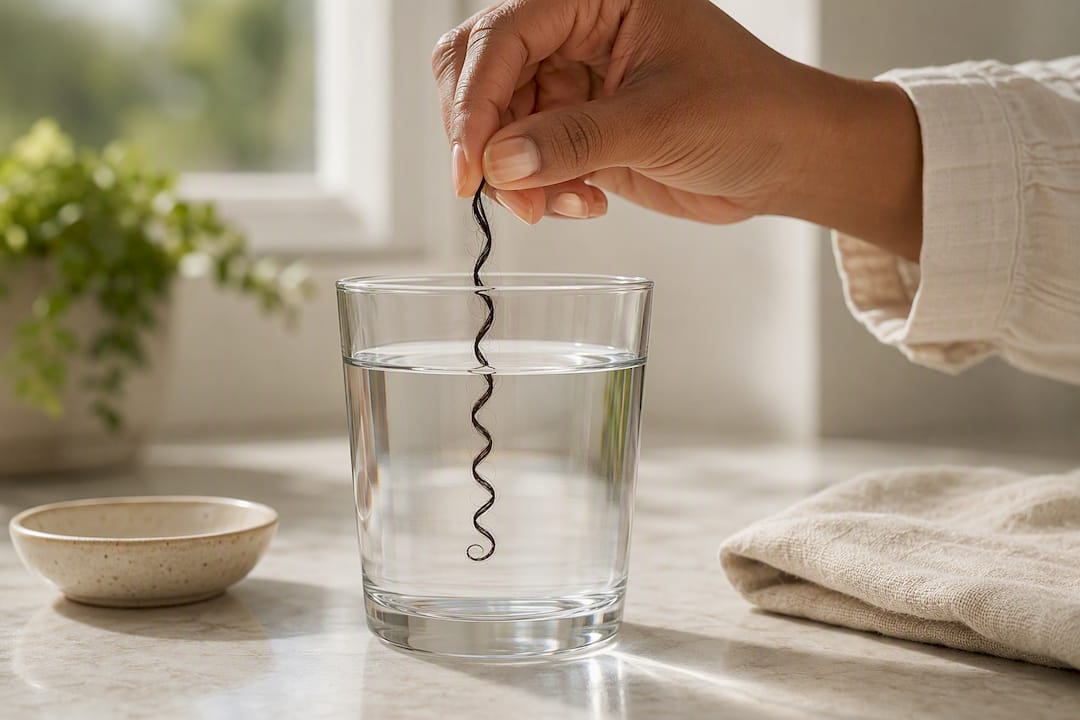
The Science Behind How LOC and LCO Lock In Moisture
Hair strands are covered in a cuticle made of overlapping scale-like cells. Moisture enters and exits through those cuticle layers, and each product in your routine interacts with that structure differently.
Water molecules are small enough to slip into the cortex, the strand’s inner layer, when the cuticle is even slightly open. That’s the liquid step’s job in both LOC and LCO: get water into the strand before anything else goes on. Once water is inside, the next layer determines how long it stays there.
Oil molecules are too large to penetrate the cortex effectively. Instead, they sit on the cuticle surface and reduce water loss by slowing evaporation, which is why oil works best as either an early seal (LOC, for cuticles that stay more open) or a final seal (LCO, for cuticles that need water locked in fast before they close). Cream sits somewhere in between. Its emulsified water and fat content lets it partially absorb into looser cuticles while also adding a surface layer of slip and hold.
This is why porosity changes which order wins. A tighter, low-porosity cuticle benefits from cream making direct contact with the strand before a final oil seal closes the door. A looser, high-porosity cuticle loses water so fast that it needs the oil’s seal earlier, with cream finishing the job to smooth the raised cuticle scales back down.
What Users and Guides Report Over Time
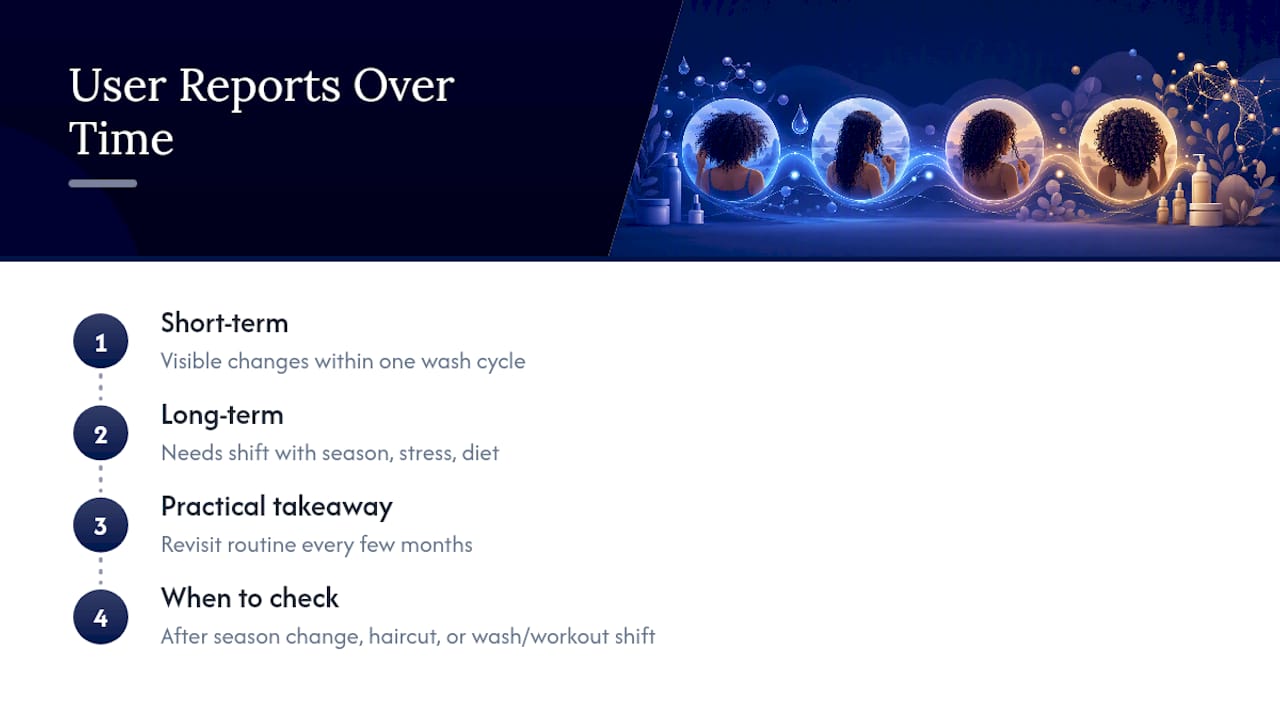
Short-term feedback across natural hair communities tends to show quick, visible differences. Within a single wash cycle, most people notice whether their curls feel soft and defined or stiff and coated. That immediacy is part of why the strand test and product test recommendations matter so much. You don’t need months to see whether a method is working.
Long-term patterns tell a slightly different story. Guides and forum discussions consistently point out that hair’s needs shift with season, styling frequency, and even stress or diet changes, meaning a method that worked well for months can suddenly underperform. Some longtime natural hair community members have questioned whether rigid LOC or LCO labels still hold up given how much hair behavior fluctuates, a debate visible in ongoing discussions on r/Naturalhair.
The practical takeaway holds regardless: treat your method as a starting framework, not a permanent rule. Multiple natural hair writers recommend revisiting your routine every few months, especially after a season change, a new haircut, or a shift in your workout or wash frequency, since your porosity behavior doesn’t always stay fixed even though the underlying cuticle structure does.
Adjusting LOC and LCO for Humidity, Heat, and Winter Dryness
Weather changes how much your hair needs sealed in, so a routine that thrives in July can fall flat in January.
In hot, humid climates, high-porosity hair tends to absorb ambient moisture fast and then lose it just as quickly through frizz and swelling. Leaning into LOC with a slightly heavier oil layer helps hold the seal against that constant moisture exchange. Low-porosity hair in humidity often needs less product overall, since the air itself is doing some of the hydrating work.
Cold, dry winter air pulls moisture out of hair fast, regardless of porosity. This is where a heavier cream step, whether in LOC or LCO, earns its place, since thinner leave-ins alone won’t hold up against dry indoor heat. Consider adding an extra light oil layer before bed during winter months, focused only on ends, to slow overnight moisture loss without weighing down your roots.
Seasonal switching doesn’t mean starting over. Keep your porosity-based method the same and just adjust product weight and frequency up or down as the climate shifts. Someone doing LCO in spring might add a slightly heavier oil in winter without changing the underlying order.
How to Switch From One Method to the Other Without Wrecking Your Curls
Switching methods works best as a clean two-week test rather than a half-hearted mix of both.
Start your switch on a fresh wash day, never mid-week, so you’re comparing apples to apples on freshly cleansed hair. Use the same core products where you can. If you’re moving from LOC to LCO, keep your leave-in and oil the same and just move your cream earlier in the sequence. That isolates the variable you’re actually testing.
Give it the full two weeks before judging, since the first day or two often feels different simply because your hair is adjusting to a new sequence, not because the method has failed. Watch for the same three markers from the trial plan: moisture retention by day three, curl definition, and frizz control in humidity or dry air.
If results are mixed rather than clearly better or worse, consider a hybrid approach for medium-porosity hair: LCO on wash day when hair is most absorbent, LOC on refresh days when you need a stronger seal to stretch your style further. That’s not indecision. It’s matching the method to what your hair actually needs at each stage of its cycle, rather than forcing one order to do every job.
Our Take: Stop Treating This Like a Debate to Win
Most articles on this topic argue LOC versus LCO like it’s a permanent identity choice. It isn’t. The porosity mechanics are clear enough that the real question isn’t “which method is better,” it’s “which method matches the cuticle structure you actually have.” Treating it as a competition is why so many people stall out on a method that never fit their hair type to begin with.
What gets underestimated is how much product weight matters within the method itself. Two people doing LOC correctly can get opposite results if one is using a heavy butter meant for coarse, high-porosity hair on fine, low-porosity strands. The order is only half the equation.
Run the trial. Track the three markers. Adjust for climate. And don’t be afraid to land on a hybrid approach if your hair genuinely behaves differently on wash day versus day four. That flexibility, not brand loyalty to one acronym, is what separates people who solve their moisture problems from people who keep restarting the same debate every few months.
Sources
- The LOC Vs LCO Method: Which Is Right For You? – Loved By Curls
- LOC Vs. LCO: Which Moisturizing Method Is Best for Hair?
- LCO vs LOC-What’s Your Moisture Method? - Crystal Aguh, MD


