


Yes, pre-wash oiling works when you match the oil to your hair’s porosity and give it the right amount of time. Wash day oiling, sometimes called “pre-poo” in the natural hair community, means coating or penetrating the hair with oil before you shampoo. Research on this technique shows it can reduce protein loss during washing, cut friction so detangling hurts less, and give your strands more slip when you’re working shampoo through wet hair. Frizz often calms down too, though oiling isn’t a treatment for scalp conditions.
Here’s what you can expect from a well-timed pre-wash oil session:
- Less protein loss during the wash, which means fewer weak points along the strand
- Smoother detangling because the oil reduces friction between strands
- Better slip while shampooing, so you spend less time fighting knots
- Softer, less frizzy hair once it dries
If you have an oily scalp or active dandruff, oil directly on the scalp can make things worse. Method and timing matter more than the oil itself, and that’s exactly what Crisanbeauty built this guide to walk you through.
Key Takeaways
Pre-wash oiling protects strands from protein loss during washing when the oil type, amount, and timing match your hair’s porosity.
| Point | Details |
|---|---|
| Oil before, not after, shampoo | Applying oil to dry hair before washing reduces protein loss and friction during the wash itself. |
| Match oil to porosity | High porosity favors penetrating oils; low porosity needs light, warmed applications and shorter wait times. |
| Time it realistically | Ten to thirty minutes works for many formulations; one to two hours is the practical sweet spot for most routines. |
| Watch for overuse signs | Limp hair, frequent clarifying washes, or new flaking mean it’s time to lighten up or oil less often. |
| CRISAN fits the routine | Crisanbeauty’s Ayurvedic Hair Growth Oil is formulated for pre-wash use within the timing and porosity guidance above. |
Table of Contents
- What Wash Day Oiling Actually Does to Your Hair
- How to Do Wash Day Oiling Step by Step
- Choosing the Right Oil for Your Hair Type
- How Long Should You Leave Oil In Before Washing?
- How Often to Oil, and When to Skip It
- What Crisanbeauty Has Learned From Real Wash Days
- A Founder’s Note on Wash Day Oiling
- Bring Wash Day Oiling Into Your Routine With CRISAN
- Sources
What Wash Day Oiling Actually Does to Your Hair
Hair strands lose protein every time they get wet. Water swells the cuticle, and that swelling lets structural proteins leach out during washing, especially with repeated shampoo cycles. A coating of oil applied beforehand acts as a buffer, slowing how much water the strand takes on and limiting that protein loss.
Research on this exact mechanism found that certain oils, applied before washing, measurably reduced protein loss compared to hair washed without any pre-treatment. Coconut oil and other medium-chain triglyceride oils performed particularly well because their molecular structure lets them penetrate the hair shaft rather than just sitting on top of it. That penetration is what separates a functional pre-wash oil from one that just makes your hair shiny for an hour.
There’s a second benefit that gets less attention: friction reduction. Wet hair with swollen cuticles snags easily, and every snag risks a break. Oiling before you wash lowers that friction, so your fingers or comb glide through instead of catching.
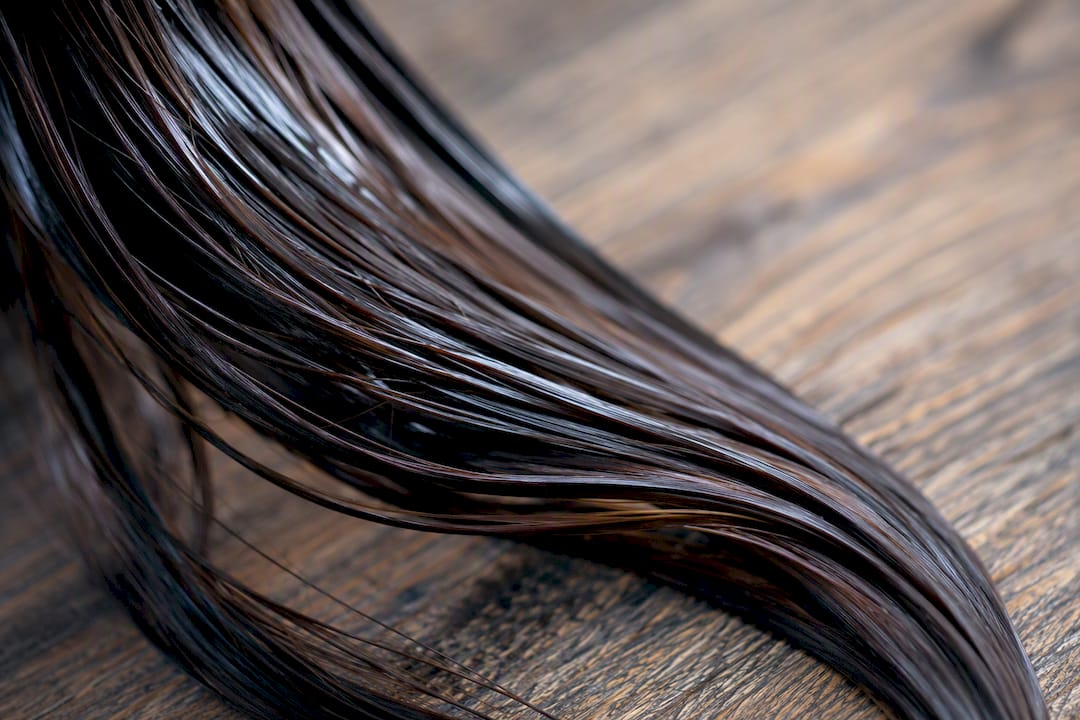
A quick statistic worth knowing: the same body of research on penetrating oils has shaped how modern formulators think about pre-wash blends, and it’s one reason ingredient lists increasingly favor medium-chain triglyceride-rich oils over purely occlusive ones.
What oiling won’t do:
- Fix a medical scalp condition or reverse pattern hair loss on its own
- Repair split ends (nothing does that except cutting them)
- Replace a protein treatment if your hair has significant chemical damage
Think of pre-wash oiling as damage prevention, not damage repair. It’s protecting the hair that’s already there while you wash, not restoring what’s already broken.
How to Do Wash Day Oiling Step by Step
Start with dry hair. Applying oil to soaking wet hair dilutes it and makes even distribution harder, so do this before you step into the shower.
- Section your hair into four to six parts depending on thickness. This keeps you from missing patches and over-saturating others.
- Warm your oil by rubbing a small amount between your palms or setting the bottle in warm water for a minute. Warmth thins the oil slightly, which helps it spread and, for penetrating oils, may support better absorption into the shaft.
- Apply by length and texture. Fine or low-porosity hair needs a light layer, roughly a nickel-sized amount for shoulder-length hair. Coarse or high-porosity hair can handle a quarter-sized amount or more, focused on the mid-lengths and ends.
- Keep oil off the scalp if you run oily or deal with dandruff. Apply from about an inch below the roots down to the ends instead.
- Massage and detangle. Use your fingers or a wide-tooth comb to work the oil through, starting at the ends and working up. This is where a lot of the friction-reduction benefit shows up in real time.
- Let it sit. Twenty to sixty minutes covers most people’s needs, though you have options depending on your schedule (more on that below).
- Shampoo in two rounds. The first shampoo breaks down the bulk of the oil; the second gets your scalp genuinely clean without stripping too much moisture from the lengths. Use lukewarm, not hot, water since heat opens the cuticle further and can undercut the protection you just built in.
- Condition on the lengths only, skipping the scalp, to lock in slip for detangling after the rinse.
Pro Tip: If your hair still feels coated after the second shampoo, you used too much oil or too little contact time with the cleanser. Add a third quick shampoo pass focused only on problem areas instead of redoing the whole head.
Keep a simple checklist by the shower: section, warm, apply by texture, massage, time it, double shampoo, condition lengths. Once you’ve done it two or three times, the whole wash day routine becomes muscle memory.
Choosing the Right Oil for Your Hair Type
Oils fall into two rough categories, and knowing which one you’re holding changes how you should use it. Penetrating oils, like those rich in medium-chain triglycerides, move into the hair shaft and reduce swelling from the inside. Coating oils sit on the cuticle surface, adding slip and shine without entering the strand.
Neither type is universally better. The right pick depends on your hair’s porosity, meaning how easily your cuticle lets moisture in and out.
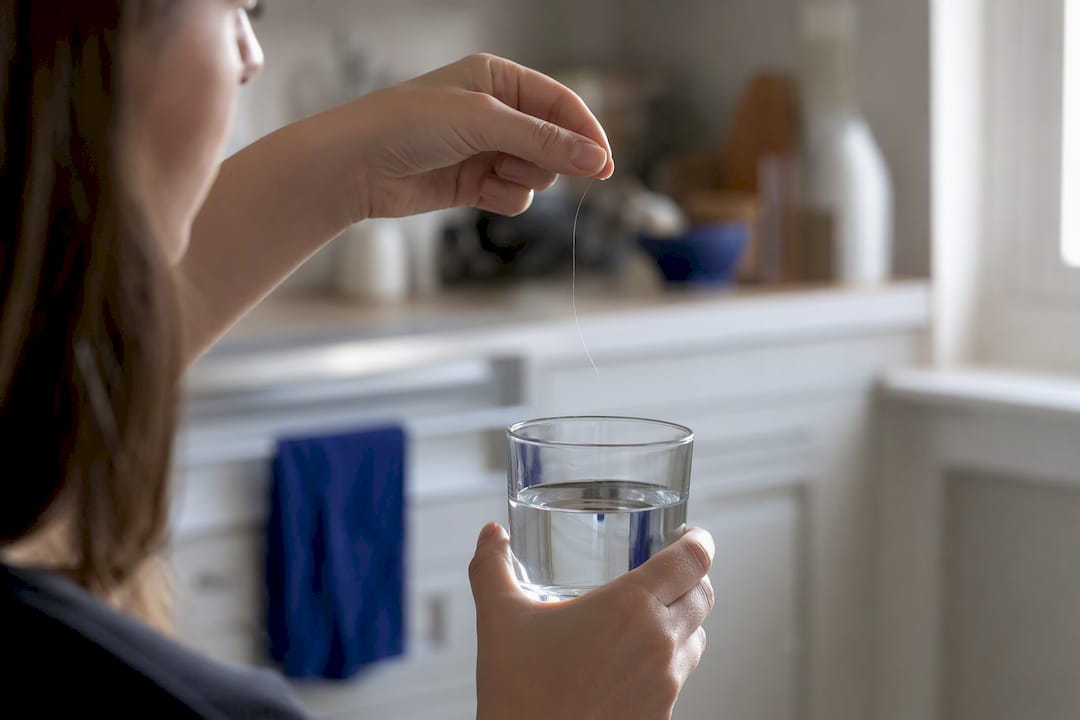
Testing your porosity at home is simple: drop a clean strand of hair into a glass of water. If it sinks fast, you likely have high porosity and an open cuticle that benefits from penetrating oils. If it floats for several minutes, you likely have low porosity, and a heavy coating oil will probably just sit on top and weigh your hair down.
A review of oil chemistry and hair interaction supports blending strategies over single-oil approaches for a lot of people. A light penetrating oil mixed with a small amount of a lightweight coating oil often performs well for medium-porosity hair, giving you both internal buffering and surface slip without buildup.
Quick checklist for picking a pre-wash oil:
- High porosity: favor penetrating, medium-chain triglyceride-rich oils applied generously
- Low porosity or fine hair: use a light hand and consider a lightweight oiling approach built for your texture
- Medium porosity: a blend of penetrating and coating oils usually strikes the right balance
- Chemically treated or heavily damaged hair: lean penetrating, since swelling-related protein loss tends to be more pronounced
If you’re unsure where to start, understanding what each oil ingredient actually does before you buy saves you from guessing at the shelf.
How Long Should You Leave Oil In Before Washing?
There’s no single right answer here, and the research backs that flexibility. Short treatments of ten to thirty minutes can deliver real benefit for a lot of modern oil formulations, especially lighter blends designed to absorb quickly. If you’re short on time before a wash, this window still counts.
The one to two hour range tends to be the sweet spot for most people. It gives penetrating oils enough time to work into the shaft without tipping into diminishing returns, and it fits realistically into a Saturday-morning wash day without eating your whole afternoon.
Overnight oiling has real upside for deep conditioning, particularly on very dry or high-porosity hair, but it comes with trade-offs: oil transfer to your pillowcase, a heavier feel by morning, and for some people, a congested scalp if oil sits too close to the roots for eight hours straight.
- Ten to thirty minutes: good for maintenance and lighter formulations
- One to two hours: the most practical balance of absorption and convenience
- Overnight: best reserved for very dry hair, with a satin cap and oil kept off the scalp
Pro Tip: If you’re tight on time, wrap your oiled hair in a warm, damp towel for fifteen minutes. The gentle heat mimics some benefits of a longer wait without committing your whole evening. A hot oil treatment approach works on the same principle.
How Often to Oil, and When to Skip It
Cadence depends entirely on your hair and scalp, not a universal weekly rule. Curly, coily, or chemically treated hair often does well with pre-wash oiling every time you wash, which for many people is once or twice a week. Fine or low-porosity hair, or scalps that lean oily, usually do better with lighter applications or oiling every other wash instead.
Watch for these signs you’re overdoing it:
- Hair that feels limp or flat within a day of washing
- Needing a clarifying shampoo more often than every few weeks just to feel clean
- Increased flaking or itching that wasn’t there before
If you have an oily scalp or are dandruff-prone, apply oil to your lengths only and skip the roots entirely. Switching to a lighter oil and shortening your wait time to the ten to thirty minute range also helps. A review of oil use patterns points to exactly this kind of adjustment as the fix for buildup rather than quitting oiling altogether.
Stop and check with a dermatologist if you notice persistent scalp irritation, sudden or unusual shedding, or flaking that doesn’t respond to switching products. Oiling shouldn’t cause ongoing discomfort, and any of those signs point to something beyond what a routine adjustment can fix.
What Crisanbeauty Has Learned From Real Wash Days
Crisanbeauty started as a family response to postpartum hair loss, built on Ayurvedic tradition and formulated with plant-based ingredients manufactured in the USA. That background, plus a community of more than 1.3 million followers sharing their own wash day results, has shaped some practical habits worth passing on.
For low-porosity hair, the biggest fix isn’t a different oil. It’s using less of it, warming it first, and giving it a shorter wait than you’d think. A tiny, warmed amount applied to dry hair for twenty to thirty minutes often outperforms a heavier application left on for hours, because low-porosity strands simply can’t absorb more than that in one sitting.
Double-shampooing on treatment days also matters more than most routines account for. It clears heavier oils fully so your conditioner isn’t fighting a residue layer underneath it.
A Founder’s Note on Wash Day Oiling
Consistency beats intensity here. A modest oiling routine done every wash beats an occasional overnight soak done once a month. Pick a formulation suited to your hair, give it the time it needs, and pay attention to how your scalp responds. We’d love to hear how your wash day changes once you find your rhythm.
— CRISAN
Bring Wash Day Oiling Into Your Routine With CRISAN
If you’ve read this far, you already know the ingredients and timing matter more than any single ritual. Crisanbeauty’s Ayurvedic Hair Growth Oil was formulated with exactly this kind of pre-wash use in mind: a blend that leans penetrating for damaged or high-porosity lengths, light enough to work within the one to two hour window this guide recommends, without the heavy, hard-to-rinse feel that pushes people toward skipping oiling altogether.

For readers building oiling into a broader hair health plan, the Hair Growth Oil formulated for thinning hair pairs well with the same double-shampoo technique covered above, and those washing multiple times a week may find better value in the four-pack bundle built for regular use. Pick the option that matches your hair type and wash frequency, add it to your next wash day, and see how your hair feels after the second or third try.


