


Yes, scalp inflammation can cause hair loss, and the outcome ranges from temporary shedding to permanent scarring in certain conditions. Inflammation injures the structures that produce hair, and how deep and how long that injury lasts determines whether hair grows back. Pustules, burning, or a smooth, shiny patch are signs that call for prompt dermatologist evaluation.
TL;DR:
- Crusting and tufted hairs around pustules point to folliculitis decalvans, while perifollicular scale and gradual patch formation can signal lichen planopilaris or discoid lupus.
- Dermatologists use magnification and fungal or bacterial tests to distinguish causes, reserving biopsy for uncertain cases or suspected scarring and sampling active borders.
- Treatment follows diagnosis: antifungals clear tinea capitis, medicated shampoos calm seborrheic dermatitis, and clinicians use medicines that reduce inflammation or antibiotics for other conditions.
- Hair often regrows within months when inflammation leaves follicles intact, but damaged follicles replaced by fibrous tissue rarely recover.
- Stop suspected irritants and avoid scratching, but leave medication choices to a dermatologist because some oral treatments cause sun sensitivity or are unsafe during pregnancy.
Table of Contents
- Common Causes and Triggers of Scalp Inflammation Linked to Hair Loss
- Inflammatory Scalp Conditions That Cause Hair Loss: Signs, Course, and Risk of Scarring
- How Inflammation Damages Follicles: Scarring Versus Non-Scarring
- Diagnosis: Clinical Exam, Trichoscopy, Cultures, and When to Biopsy
- Treatment Options: Medical Therapies and Supportive Scalp Care
- Prognosis and Regrowth: When Recovery Happens and When Loss Is Permanent
- Supportive Scalp Care Alongside Medical Treatment
- Lifestyle and Dietary Factors Influencing Scalp Inflammation
- Possible Side Effects and Contraindications of Common Treatments
- Role of Underlying Systemic Diseases or Autoimmune Disorders
- Quick Next Steps if Your Scalp Is Inflamed and Shedding
- A Supportive, Plant-Forward Routine While You Treat Inflammation
- FAQ
- Sources
Common Causes and Triggers of Scalp Inflammation Linked to Hair Loss
Several distinct problems can inflame the scalp and put hair growth at risk, and identifying which one you’re dealing with is the first step toward treatment that actually works.
- Infectious causes: bacterial folliculitis and tinea capitis (a fungal infection) often appear suddenly, with tenderness, pustules, or scaly round patches.
- Inflammatory dermatoses: seborrheic dermatitis and scalp psoriasis flare with stress, weather changes, or buildup, causing greasy scale or thick plaques.
- Primary inflammatory alopecias: lichen planopilaris and folliculitis decalvans involve chronic follicle-level inflammation and carry real scarring risk.
- Mechanical and product triggers: tight styles, harsh chemical treatments, and heavy occlusive products can irritate the scalp and worsen any of the above.
Perifollicular inflammation doesn’t only show up in these named disorders. It also coexists with pattern hair loss in many cases, which we cover next.
Inflammatory Scalp Conditions That Cause Hair Loss: Signs, Course, and Risk of Scarring
Each condition below follows its own pattern, and recognizing the difference helps you know what to expect and how urgently to act.
- Seborrheic dermatitis produces greasy, flaky scale with itching along the hairline and crown. Shedding tends to be temporary and resolves once the flare is controlled, as our dandruff vs dry scalp guide explains in more detail.
- Folliculitis versus folliculitis decalvans both start with pustules around hair shafts, but folliculitis decalvans adds crusting and tufted hairs, where several strands emerge from one follicle opening, a sign of ongoing scarring.
- Lichen planopilaris and discoid lupus cause perifollicular scale, burning, and itching that progress slowly toward patches of permanent hair loss if untreated.
- Tinea capitis shows up as scaly round patches with broken-off hairs close to the scalp. Antifungal therapy usually restores full growth once the infection clears.
How Inflammation Damages Follicles: Scarring Versus Non-Scarring
Inflammation around a hair follicle usually involves lymphocytes or neutrophils, immune cells that gather to fight infection or respond to irritation. When this activity stays mild and short-lived, the follicle recovers once the trigger is removed. When it persists, it can destroy the stem cells in the follicle’s bulge and the nearby sebaceous glands, and those structures don’t regenerate. Scar tissue (fibrosis) replaces them, and hair loss becomes permanent, a process Cleveland Clinic describes as the defining feature of cicatricial alopecia.
This same low-grade inflammation also shows up in common pattern hair loss. One analysis found perifollicular inflammation in roughly 71% of androgenetic alopecia samples, which suggests inflammation plays a role in thinning for many people, not just those with a named inflammatory disease, according to research published on PMC. That overlap matters for treatment, since inflammation left unaddressed can make standard therapies work less well. The depth of the damage and how long it goes untreated are what separate a temporary setback from a lasting one.

Diagnosis: Clinical Exam, Trichoscopy, Cultures, and When to Biopsy
A dermatologist typically builds a diagnosis in layers, starting with a visual exam and moving toward more specific testing only when needed.
- A handheld magnification tool called a trichoscope reveals clues like perifollicular scale, redness, broken hairs, or a loss of visible follicle openings, each pointing toward a different diagnosis.
- A culture or KOH prep (a quick fungal test) separates bacterial, fungal, and non-infectious causes, since treating the wrong one can let inflammation deepen.
- A scalp biopsy is reserved for cases where the exam alone can’t settle the diagnosis, particularly when scarring is suspected.
Biopsy accuracy depends heavily on technique. Sampling the active border rather than the scarred center, and using paired punches, improves diagnostic yield according to dermatopathology guidance on biopsy practice. Clinicians sometimes also use an oblique double-punch method to reach deeper tissue layers and visualize the follicle bulb directly, which can change the course of treatment entirely.
Pro Tip: Photograph the affected area in consistent lighting before your appointment. It gives your dermatologist a baseline to compare against at your follow-up visit.
Treatment Options: Medical Therapies and Supportive Scalp Care
Treatment depends on what’s driving the inflammation, so a dermatologist usually matches the therapy to the specific condition rather than applying one approach to all scalp complaints.
- Topical corticosteroids and calcineurin inhibitors reduce redness and itching and are standard first-line options for many inflammatory scalp disorders.
- Oral antibiotics, including tetracyclines, treat neutrophilic and bacterial conditions like folliculitis decalvans and carry anti-inflammatory effects beyond their antimicrobial action.
- Antifungal medications clear tinea capitis, while medicated shampoos targeting Malassezia yeast calm seborrheic dermatitis flares.
- Supportive measures include stopping irritant products, cleansing gently, keeping the area moisturized rather than dry and cracked, and resisting the urge to scratch or pick.
One study found that combining anti-inflammatory treatment with standard anti-androgen therapy led to improvement in a majority of patients with an inflammatory subtype of androgenetic alopecia, compared to weaker results with hormone-based treatment alone, according to research on PubMed. That finding reinforces a broader point: when inflammation is part of the picture, treating it alongside the underlying cause tends to produce better results than treating either alone. Topical anti-inflammatory agents also show measurable benefit for reducing erythema and itching in seborrheic dermatitis specifically, per a review on PMC.
Prognosis and Regrowth: When Recovery Happens and When Loss Is Permanent
Non-scarring inflammation, like a seborrheic dermatitis flare or an episode of folliculitis, typically allows hair to regrow within a few months once the underlying trigger resolves. Scarring alopecia works differently: once follicles are replaced with fibrous tissue, regrowth in that spot is unlikely, which is why Cleveland Clinic stresses early treatment as the main defense against permanent loss. Catching the condition early and stopping repeated trauma, whether from scratching, tight styling, or harsh products, meaningfully improves the odds of keeping more follicles intact. Dermatologists usually recheck progress every few months and consider reconstructive options only after inflammation has been controlled for an extended period.
Supportive Scalp Care Alongside Medical Treatment
Gentle, plant-forward routines can’t treat an inflammatory disease on their own, but they can reduce everyday irritant exposure while you work with a dermatologist on the medical side.
- Lightweight, non-occlusive oils support scalp comfort without adding the buildup that worsens seborrheic dermatitis or folliculitis.
- Our scalp-care guidance on plant-based ingredients and the scalp microbiome walks through which botanicals are gentle enough for sensitive, inflamed skin.
- For active folliculitis, our plant-based folliculitis routine outlines supportive steps to use alongside, never instead of, prescribed therapy.
Lifestyle and Dietary Factors Influencing Scalp Inflammation
What happens off the scalp affects what happens on it. Chronic stress raises cortisol, which can worsen inflammatory skin flares and make existing conditions harder to control. Sleep quality follows a similar pattern: poor sleep is linked to higher systemic inflammation throughout the body, the scalp included. Diet plays a supporting role too. Diets heavy in refined sugar and processed fats are commonly associated with greater inflammatory activity, while diets rich in vegetables, fatty fish, and whole foods tend to support a calmer baseline.
Hygiene habits matter just as much as what you eat. Sweat left on the scalp after exercise, combined with tight hats or helmets, creates a warm, damp environment where bacteria and yeast multiply more easily, feeding conditions like folliculitis and seborrheic dermatitis. Smoking is another factor worth naming, since it’s tied to impaired circulation and slower tissue healing, both of which can prolong an active flare. None of these factors replace medical treatment for a diagnosed inflammatory condition, but addressing them reduces the number of triggers your scalp has to fight off while it heals.
Possible Side Effects and Contraindications of Common Treatments
Every treatment used for inflammatory scalp conditions carries its own set of cautions. Topical corticosteroids, while effective at calming redness and itching, can thin the skin or cause visible blood vessels with prolonged use, so dermatologists typically limit how long and how often they’re applied. Topical calcineurin inhibitors avoid that skin-thinning effect but can cause a temporary burning or stinging sensation when first applied.
Oral antibiotics such as tetracyclines come with their own list of precautions. They can increase sun sensitivity, interact with certain supplements like calcium or iron, and are not used during pregnancy because of effects on fetal bone development. Antifungal medications for tinea capitis, particularly oral options, sometimes require monitoring of liver function during longer courses of treatment. Medicated shampoos containing ingredients like selenium sulfide or zinc pyrithione are generally well tolerated but can cause dryness or irritation in people with already sensitive skin.
Because these treatments differ so much in risk profile, self-prescribing based on an online search is risky, particularly for oral medications. A dermatologist weighs your specific diagnosis, medical history, and any medications you already take before recommending a course of treatment, and that evaluation is what keeps a helpful therapy from becoming a new problem.

Role of Underlying Systemic Diseases or Autoimmune Disorders
Scalp inflammation doesn’t always start on the scalp. Autoimmune conditions like lupus can produce discoid lesions on the scalp that lead to scarring hair loss as one manifestation of a broader systemic disease. Lichen planopilaris, likewise, is thought to involve an autoimmune attack on the follicle’s stem cell region, which is part of why it tends to progress even when topical treatment alone is applied.
Thyroid dysfunction, both underactive and overactive, is another systemic contributor, since thyroid hormone directly affects the hair growth cycle and can produce diffuse thinning that overlaps with or worsens an existing inflammatory condition. Nutritional deficiencies, particularly iron and certain B vitamins, can compound shedding that started from an inflammatory trigger, making recovery slower even after the scalp condition itself improves.
This is a major reason dermatologists sometimes order bloodwork alongside a scalp exam when the pattern of hair loss doesn’t fit neatly into one category, or when it comes with other symptoms like joint pain, fatigue, or skin changes elsewhere on the body. Treating the scalp without addressing an underlying systemic driver tends to produce partial, frustrating results.
Quick Next Steps if Your Scalp Is Inflamed and Shedding
Stop any product you suspect is irritating your scalp, and skip aggressive scrubbing. Try gentle cleansing, but see a dermatologist promptly for pustules or spreading patches. Take photos now so you can track changes over time.
— CRISAN
A Supportive, Plant-Forward Routine While You Treat Inflammation
While a dermatologist addresses the medical side of an inflamed scalp, a gentle daily routine can reduce the everyday irritants that keep a flare going. We manufacture every product using a blend of botanical ingredients drawn from generations of Ayurvedic tradition, formulated to be gentle enough for regular use once active scabbing or open irritation has settled.
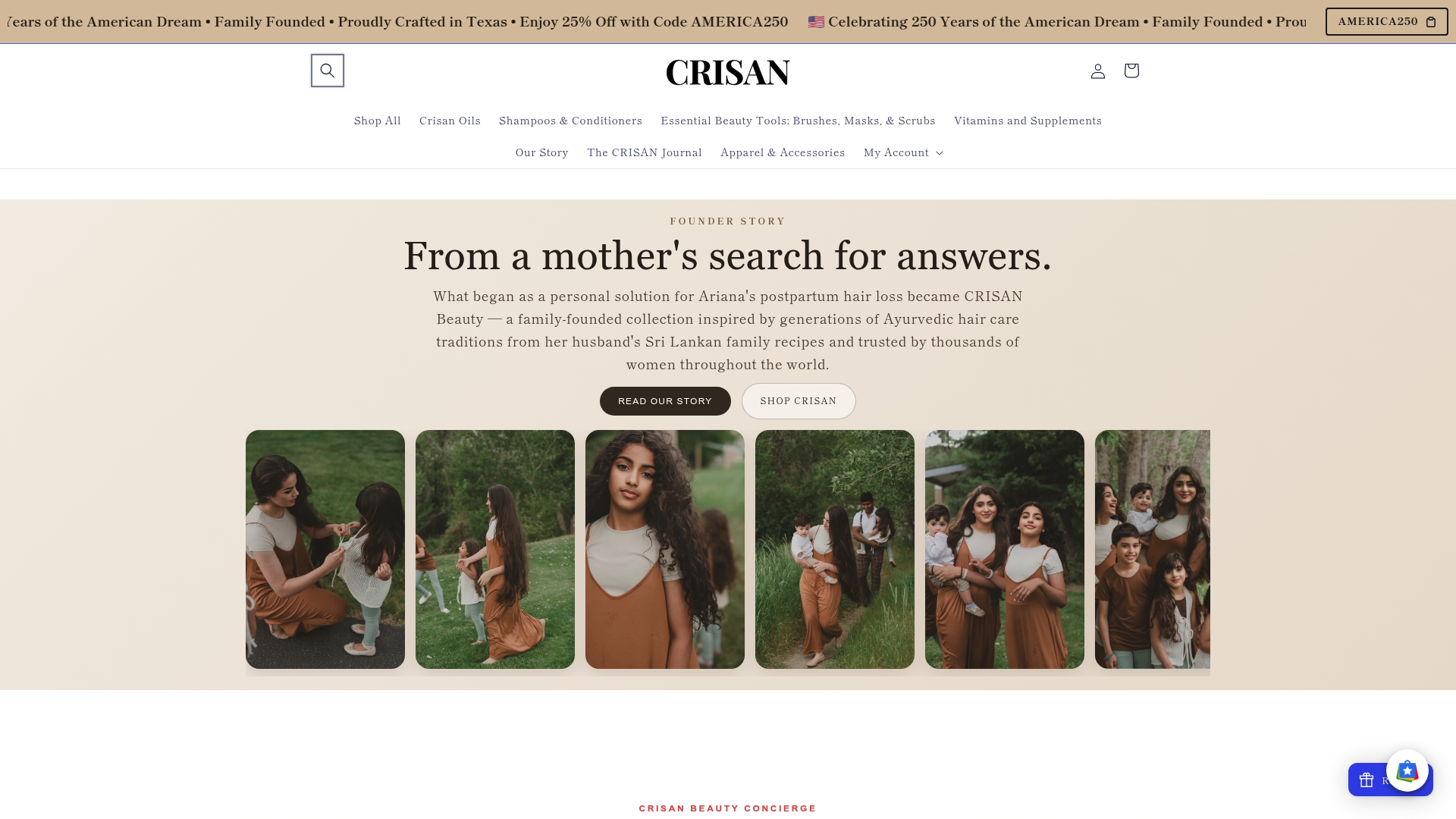
- Our scalp and hair oils are formulated as lightweight, non-occlusive options for scalp comfort between medical treatments.
- Our shampoos and conditioners offer a plant-forward cleansing option for day-to-day care.
- Our vitamins and supplements support hair follicle nutrition as a complement to, not a substitute for, prescribed therapy.
We never recommend applying any product to actively inflamed, scabbing, or broken skin without your dermatologist’s guidance first. Browse our full collection when you’re ready to build a gentler routine around your treatment plan.
FAQ
How do you treat inflammatory hair loss?
Treatment depends on the specific cause and ranges from topical corticosteroids and calcineurin inhibitors to oral antibiotics like tetracyclines, antifungals, or medicated shampoos. A dermatologist matches the therapy to the diagnosis after a clinical exam, and sometimes a biopsy, confirms which condition is driving the inflammation.
Will hair grow back after scalp inflammation?
It depends on whether the inflammation caused scarring. Non-scarring inflammation, like a seborrheic dermatitis flare or mild folliculitis, usually allows regrowth within months once the trigger resolves, while scarring alopecia replaces follicles with fibrous tissue that doesn’t regenerate, according to Cleveland Clinic.
What medication is good for scalp inflammation?
Common options include topical corticosteroids, topical calcineurin inhibitors, oral tetracyclines for neutrophilic conditions, and antifungal medications for fungal infections like tinea capitis. The right choice depends entirely on the underlying diagnosis, which is why self-treating without an exam often delays proper care.
Is hair loss due to inflammation reversible?
It can be, but it depends on timing and depth. Catching inflammation early, before it destroys the follicle’s stem cells, gives the best chance of full regrowth, while long-standing or deep inflammation that reaches those stem cells tends to cause permanent loss, as described in Cleveland Clinic’s overview of scarring alopecia.
Sources
- Scarring (Cicatricial) Alopecia: What It Looks Like & Treatment — Cleveland Clinic
- Perifollicular inflammation and fibrosis in androgenetic alopecia — PMC
- Perifollicular inflammation and fibrosis in androgenetic alopecia — PubMed


