


Hormonal hair loss is defined as follicle miniaturization driven by androgens, particularly dihydrotestosterone (DHT), and is the leading cause of diffuse thinning in women with conditions like PCOS. Finding hormonal hair loss solutions naturally means targeting the root cause: the hormonal and metabolic environment that starves your follicles. The good news is that diet, targeted supplements, and consistent scalp care can stabilize shedding and support partial regrowth. These methods require patience, but the science behind them is real and growing stronger every year.
How does hormonal imbalance cause hair loss?
Hormonal hair loss begins when testosterone converts to DHT through an enzyme called 5-alpha reductase. DHT binds to receptors in scalp follicles and shrinks them over time, a process called miniaturization. In women with PCOS, insulin resistance amplifies this process by raising circulating androgens. The result is diffuse thinning across the crown and temples, not the patchy loss you see with other conditions.
Natural interventions work by reducing androgen activity and improving the metabolic environment around follicles. A 2026 randomized controlled trial found that 2 grams of ginger daily significantly reduced total testosterone and free androgen index in women with PCOS while increasing sex hormone-binding globulin (SHBG). Higher SHBG means less free testosterone available to convert into DHT. That is a meaningful hormonal shift from a single dietary supplement.
Key natural interventions that influence hormone levels include:
- Dietary changes targeting insulin resistance, such as reducing refined carbohydrates and increasing fiber
- Ginger supplementation at 2 g/day, shown to lower androgens in PCOS
- Zinc, which inhibits 5-alpha reductase activity and reduces DHT production
- Omega-3 fatty acids, which lower systemic inflammation around follicles
- Regular aerobic exercise, which improves insulin sensitivity and lowers circulating androgens
Natural hormonal hair loss solutions work best in the early to moderate stages of thinning. They stabilize the scalp environment and slow follicle miniaturization, but they cannot reverse advanced androgenetic alopecia on their own.
Expect 6–12 months before you see meaningful stabilization or partial regrowth. That timeline reflects the biology of the hair cycle, not a flaw in the approach. Understanding this isn’t just reassuring. It is the first step toward building a routine you will actually stick with.
What nutritional strategies support hormonal hair loss naturally?
Nutrition is the foundation of any natural approach to hormonal hair thinning. Hair is made almost entirely of keratin, a protein, so adequate protein intake of 1.2–1.6 g/kg of body weight per day is non-negotiable. A 140-pound woman needs roughly 76–102 grams of protein daily. Most people eating a standard American diet fall short of this, especially at breakfast.
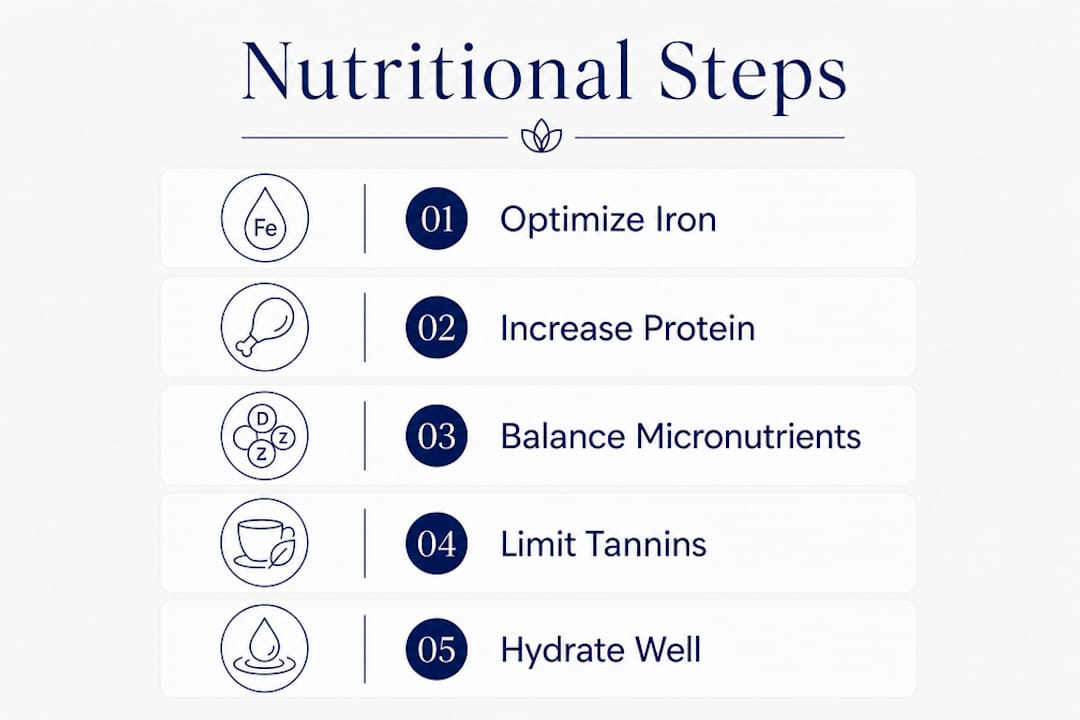
Iron is equally critical. Ferritin levels below 40 ng/mL strongly associate with telogen effluvium, the type of shedding triggered by nutritional stress. Dermatologists target ferritin at 70 ng/mL or above to support active regrowth. Standard anemia tests often miss this because you can have depleted iron stores without being clinically anemic. Ask your doctor specifically for a ferritin test, not just a complete blood count.
Here is a practical nutritional protocol to follow:
- Prioritize protein at every meal. Include eggs, lentils, Greek yogurt, chicken, or salmon. Aim for at least 25–30 grams per sitting.
- Pair iron-rich foods with vitamin C. Eating spinach with lemon juice or bell peppers with lentils increases non-heme iron absorption significantly.
- Add zinc-rich foods. Pumpkin seeds, oysters, and chickpeas all provide zinc, which blocks DHT production at the follicle level.
- Include omega-3 sources daily. Walnuts, flaxseed, and fatty fish reduce follicular inflammation and support sebum balance.
- Consider ginger supplementation. The 2026 clinical trial used 2 g/day in capsule form over 12 weeks with measurable hormonal results.
- Be cautious with biotin. Biotin supplementation is unnecessary for most adults without a confirmed deficiency and can interfere with thyroid hormone blood tests, leading to misdiagnosis or mistreatment.
Pro Tip: Wait at least one hour after an iron-rich meal before drinking coffee or tea. Tannins in both beverages bind to iron and reduce how much your body absorbs. This single habit change can meaningfully improve your ferritin levels over time.
For readers exploring nutritional hair support in more depth, the connection between micronutrient status and follicle health goes well beyond biotin. Zinc, ferritin, and vitamin D are the three most commonly deficient nutrients in women with hormonal hair thinning.
What scalp care habits and lifestyle changes help stop hair loss naturally?
Scalp care is not optional when managing hormonal hair loss. The scalp is the soil your hair grows from, and follicles under androgenic stress need direct support. Four minutes of daily scalp massage over 24 weeks has been shown in clinical study to increase hair thickness and density. The mechanism is simple: mechanical stimulation increases blood flow to follicles and may stretch follicle cells in ways that signal growth.
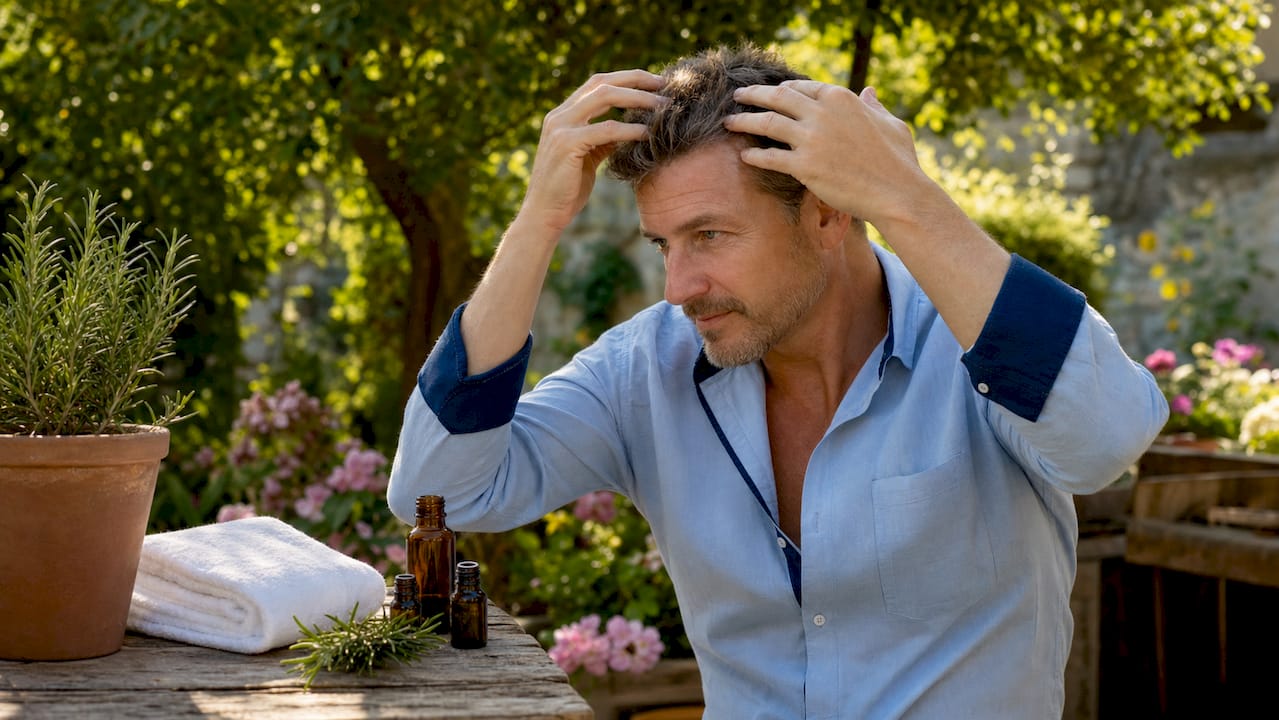
Topical treatments add another layer of support. Rosemary oil has the strongest evidence among natural topicals, with a 2015 clinical trial showing it performed nearly as well as minoxidil 2% for androgenetic hair loss with fewer side effects. Apply 3–5 drops diluted in a carrier oil directly to the scalp and massage in for four minutes before bed. For a structured approach to this, Crisanbeauty’s guide on hair oiling routines walks through timing, technique, and oil selection in practical detail.
| Scalp care method | Evidence level | Recommended use |
|---|---|---|
| Daily scalp massage | Strong (clinical trial) | 4 minutes daily, fingertips only |
| Rosemary oil (diluted) | Moderate (clinical trial) | 3–5x per week, overnight or 30 min |
| Caffeine-infused products | Moderate (lab and clinical) | Daily shampoo or leave-in serum |
| Ayurvedic herbal oils | Emerging (traditional + some trials) | 2–3x per week scalp application |
| Tight hairstyle avoidance | Consensus-based | Daily practice, especially wet hair |
Stress management belongs in this category too. Elevated cortisol triggers telogen effluvium, pushing follicles prematurely into the shedding phase. Managing stress through consistent sleep, moderate exercise, and meditation can reverse stress-related shedding within 6–9 months. Sleep deprivation alone raises cortisol enough to worsen hormonal hair loss, so seven to nine hours per night is a clinical recommendation, not a luxury.
Pro Tip: Combine your four-minute scalp massage with a diluted rosemary or Ayurvedic oil blend. The mechanical stimulation and the active botanical compounds work through different pathways simultaneously, giving you more benefit than either approach alone.
Avoid tight braids, high ponytails, and chemical relaxers during active shedding phases. These practices cause traction alopecia, a separate and sometimes permanent form of hair loss that compounds hormonal thinning.
How do you monitor progress and know when to see a doctor?
Realistic expectations are the most underrated part of any natural hair loss plan. Visible improvement from natural methods commonly takes 6–12 months because hair cycles are slow. The anagen (growth) phase lasts two to six years, but the transition back from telogen (resting) to active growth takes months to show at the scalp surface. Patience is not passive. It means tracking the right markers while you wait.
- Track shedding counts weekly. Losing fewer than 100 hairs per day is considered normal. A consistent drop in daily shed count is your first sign of stabilization.
- Get ferritin, a full hormone panel (including free testosterone and SHBG), and thyroid function tested every three to six months.
- Photograph your part line and crown in the same lighting monthly. Photos reveal slow progress that you cannot feel day to day.
- Watch for regrowth “baby hairs” along the hairline and part. These short, fine hairs are the clearest sign that follicles are reactivating.
Natural treatments stabilize and support scalp health. Medical treatments like minoxidil and spironolactone target androgenic miniaturization directly. For advanced thinning, both approaches used together produce better outcomes than either alone.
Seek clinical evaluation if you experience sudden, rapid shedding over a few weeks, patchy bald spots, scalp pain or inflammation, or no stabilization after 12 months of consistent natural care. These signs point to conditions, such as alopecia areata or significant androgenetic alopecia, that require medical treatment. Understanding what triggers hormonal hair loss at a deeper level also helps you recognize when your situation has moved beyond what natural methods can address alone.
Common mistakes that stall progress include skipping protein targets, relying on biotin as a primary supplement, applying oils to the hair shaft instead of the scalp, and abandoning routines after two to three months without giving the hair cycle time to respond.
Key Takeaways
Addressing hormonal hair loss naturally requires consistent nutritional support, targeted scalp care, and hormone-aware lifestyle habits sustained for at least 6–12 months to produce visible results.
| Point | Details |
|---|---|
| DHT drives follicle miniaturization | Reducing free testosterone through diet and supplements like ginger and zinc addresses the root cause. |
| Ferritin is the key iron marker | Target ferritin above 70 ng/mL; standard anemia tests will not catch iron-related hair loss. |
| Protein intake is non-negotiable | Consume 1.2–1.6 g/kg of body weight daily to give follicles the keratin building blocks they need. |
| Scalp massage delivers real results | Four minutes daily over 24 weeks increases hair thickness based on clinical evidence. |
| Natural methods have a timeline | Expect 6–12 months for stabilization; seek medical advice if no progress appears after that window. |
What I have learned from years of helping women with hormonal hair loss
The biggest mistake I see is treating hormonal hair loss like a product problem. People buy a new shampoo, try a supplement for six weeks, see no dramatic change, and give up. That cycle repeats for years while the underlying hormonal and nutritional issues go unaddressed.
What actually works is less exciting but far more effective. Fix your ferritin. Hit your protein targets. Manage your insulin resistance through food and movement. Add scalp massage as a non-negotiable daily habit. Then layer in evidence-backed topicals like rosemary oil. None of these steps are complicated, but all of them require consistency over months, not days.
The other misconception I want to address directly: natural solutions and medical treatments are not opposites. For women with significant androgenetic alopecia driven by PCOS, combining lifestyle changes with a dermatologist-prescribed treatment often produces the best long-term outcome. Natural methods create the healthiest possible scalp environment. Medical treatments target the androgenic pathway more aggressively. Used together, they complement each other well.
At Crisanbeauty, we built our products around this philosophy because I lived it after postpartum hair loss. The answer was not one miracle ingredient. It was a consistent, layered routine grounded in Ayurvedic tradition and supported by modern research.
— CRISAN
Crisanbeauty’s plant-based support for thinning hair
Crisanbeauty formulates every product with the same principle behind this guide: address the root, not just the surface. The Ayurvedic Hair Growth Oil is designed specifically for thinning hair, combining botanical ingredients that nourish follicles and support scalp circulation. Pair it with the Hair Growth Vitamins to address nutritional gaps from the inside. Both are manufactured in the USA using plant-based, carefully selected ingredients. If you are building a natural routine for hormonal hair thinning, these two products are the place to start.
FAQ
What is the fastest natural way to stop hormonal hair loss?
Fixing ferritin levels and hitting daily protein targets of 1.2–1.6 g/kg body weight produces the fastest stabilization. These nutritional corrections address the most common deficiencies driving hormonal shedding.
Does ginger really help with hormonal hair loss?
Yes, for women with PCOS. A 2026 randomized controlled trial showed that 2 grams of ginger daily significantly reduced testosterone and raised SHBG over 12 weeks, directly lowering the androgen activity that drives hair loss.
How long does it take to see results from natural hair loss treatments?
Expect 6–12 months for visible stabilization or partial regrowth. Hair cycles are slow, and natural methods work by improving the hormonal and nutritional environment rather than forcing rapid follicle activation.
Is biotin good for hormonal hair loss?
Biotin is not recommended unless you have a confirmed deficiency. It does not address hormonal drivers of hair loss and can interfere with thyroid blood tests, which may lead to incorrect treatment decisions.
When should I see a doctor for hormonal hair loss?
See a dermatologist or endocrinologist if you experience sudden rapid shedding, patchy bald spots, scalp inflammation, or no improvement after 12 months of consistent natural care. These signs indicate conditions that require medical evaluation.


