


Most tender scalps come from one of two sources: inflammation or irritation on the skin itself (think psoriasis, dandruff, infection, or a reaction to a hair product), or nerve and headache related sensitivity that shows up even when the scalp looks completely normal. Mild, short-lived tenderness usually responds to gentler hair care. Seek urgent medical care right away if tenderness comes with vision changes, jaw pain while chewing, fever, or spreading redness.
TL;DR:
- Infections like folliculitis or shingles require prompt antiviral or antibiotic treatment, while skin conditions such as psoriasis or seborrheic dermatitis need medicated shampoos and topical steroids.
- Nerve-related causes like occipital neuralgia or migraines often present with normal-looking scalp skin but sharp, stabbing, or shock-like pains at specific head locations.
- Systemic diseases such as lupus, diabetes, or thyroid disorders typically cause widespread scalp tenderness along with other systemic symptoms, making diagnosis more complex.
- Stress, anxiety, and medication side effects can trigger or worsen scalp tenderness, often requiring stress management or medication adjustments for relief.
- Mild, non-infectious tenderness usually improves within one to two weeks after removing triggers and using gentle scalp support products; red-flag symptoms demand immediate medical evaluation.
Table of Contents
- What Causes a Tender Scalp: The Main Categories
- How Doctors Diagnose a Sore Scalp
- Treating Tender Scalp: What Works for Each Cause
- Preventing Scalp Tenderness From Coming Back
- What Sensitive Scalp Research Actually Shows
- Can Systemic Diseases Cause Scalp Pain?
- Can Stress and Anxiety Make Your Scalp Hurt?
- Could Your Medication Be Causing Scalp Tenderness?
- A Practical Perspective on Getting Better
- Where CRISAN Fits Into Scalp Care
- Sources
- FAQ
What Causes a Tender Scalp: The Main Categories
Tender scalp causes generally split into several groups, and figuring out which one you’re dealing with usually starts with what you see and feel, not just where it hurts.
Skin conditions are the most common driver. Scalp psoriasis affects a significant portion of people who have plaque psoriasis elsewhere on their body, and it typically causes burning, soreness, visible scale, and sometimes temporary hair loss along the crown and hairline, according to the American Academy of Dermatology. Seborrheic dermatitis (the medical term for stubborn, greasy dandruff) causes similar burning and flaking but tends to sit heavier around the hairline and behind the ears. Eczema shows up as dry, cracked, itchy patches that can feel raw to the touch.
Hair practice and product triggers are next, and they’re often self-inflicted without anyone realizing it. Tight ponytails, braids, or extensions pull on the follicle and cause traction tenderness, sometimes days after the style goes in. New dyes, relaxes, or sulfate-heavy shampoos can trigger contact dermatitis, a delayed reaction that shows up as redness, stinging, and a scalp that hurts when you barely touch it.
Infections bring a different pain signature entirely. Folliculitis looks like small, tender pustules clustered around hair follicles, often itchy and warm. Shingles (herpes zoster) causes a painful, blistering rash usually confined to one side of the head, and it needs antiviral treatment within a specific window to shorten the course and cut down on complications.
Nerve and headache related causes are the ones that confuse people most, because the scalp often looks completely normal. Occipital neuralgia causes brief, electric-shock or stabbing pain near the base of the skull, sometimes triggered by pressing on the greater occipital nerve. Migraine can produce cutaneous allodynia, where brushing your hair or resting your head on a pillow becomes painful even though nothing is visibly wrong.
Autoimmune and vascular causes round out the list, and one of them is a genuine emergency. Alopecia areata occasionally causes tenderness right before patchy hair loss appears. Giant cell arteritis, a vascular inflammation seen mainly in adults over 50, often causes new severe headache, scalp tenderness, jaw pain when chewing, and vision problems, and it requires same-day evaluation because untreated disease can cause permanent blindness.
A few diagnostic clues cut through most of the confusion:
- Visible inflammation, scale, or pustules point toward a skin condition or infection; a normal-looking scalp points toward nerve or vascular causes.
- Pain at the back of the head (occiput) leans toward occipital neuralgia; pain at the crown (vertex) leans toward inflammatory skin disease.
- Burning or stinging suggests irritation or dermatitis; sharp, stabbing, or shock-like pain suggests a nerve issue.
- A clear trigger, like a new dye job or a fresh set of braids, points to a product or styling cause rather than something systemic.
How Doctors Diagnose a Sore Scalp
A clinician evaluating scalp pain works through a structured checklist, and knowing it ahead of time makes your appointment far more productive.
- History first. Expect questions about when the tenderness started, whether it’s constant or comes in waves, your recent hair-care and coloring history, where exactly it hurts, and whether you’ve had headaches, vision changes, fever, or jaw pain alongside it.
- Physical exam. The clinician looks for scale, pustules, hair-shedding patterns, and may press gently over the occipital notch to check for a Tinel-like sign, a small jolt of pain that supports occipital neuralgia.
- Targeted testing when needed. Bloodwork checking ESR and CRP helps rule in or out giant cell arteritis in older adults with new headache and jaw symptoms. Viral testing or a swab may confirm shingles or bacterial infection in atypical presentations.
- Same-day triage red flags. Vision change, a new severe one-sided headache with jaw claudication, spreading redness or warmth, or fever alongside scalp pain all mean skip the wait-and-see approach and get seen immediately.
Treating Tender Scalp: What Works for Each Cause
Treatment only works when it matches the actual cause, which is why a one-size-fits-all remedy so often falls flat.
For mild tenderness with no red flags, start simple: remove the likely trigger (a new product, a tight style, excess heat), switch to lukewarm water instead of hot, and resist the urge to scratch or pick at any scale. A cool compress calms surface irritation in minutes.
Once you have a working diagnosis, treatment gets more specific:
- Seborrheic dermatitis or dandruff related tenderness: ketoconazole or selenium sulfide shampoos, used consistently rather than occasionally.
- Scalp psoriasis: topical corticosteroids or calcipotriene applied directly to the scalp (not just smeared over hair), plus salicylic acid preparations to soften thick scale, following AAD treatment guidance.
- Localized bacterial folliculitis: topical antibiotics, but only when a clinician prescribes them; self-treating a spreading infection with oils or scrubs can make it worse.
- Shingles: antivirals started promptly, since the treatment window closes fast and delay increases the risk of lingering nerve pain.
- Occipital neuralgia or migraine-related allodynia: acute headache medication, neuropathic pain agents, and in persistent cases, occipital nerve blocks administered by a neurologist.
For inflammatory scalp disease that doesn’t respond to standard topical, dermatology has more tools: injected corticosteroids, light therapy, scalp biopsies to confirm a diagnosis, and for severe or refractory cases, systemic immunomodulators or biologics.
Pro Tip: Keep a running note on your phone with the date, what changed (new shampoo, new style, stress spike), and where exactly the pain sits. That timeline alone often shortens a diagnostic visit by weeks.
Preventing Scalp Tenderness From Coming Back
Most recurring tenderness traces back to habits, not disease, which means small adjustments prevent a lot of repeat flare-ups.
- Alternate a medicated shampoo (for dandruff or psoriasis) with a gentle, sulfate-free formula rather than using one product every single wash.
- If you oil your scalp, two to three times a week is typically enough. Oiling more than that on tender skin can trap heat and irritation rather than soothe it.
- Patch-test any new dye, relaxer, or leave-in treatment on a small section before applying it scalp-wide.
- Give tight braids, ponytails, and extensions a rest between installs, and keep hot tools away from the scalp itself.
- Wear a hat or use a scalp-safe SPF spray on exposed partings; sunburned scalp skin is more reactive to everything that touches it afterward.
What Sensitive Scalp Research Actually Shows
Sensitive scalp, sometimes called trichodynia in clinical literature, is increasingly understood as its own symptom pattern rather than a side effect of something else. A 2023 review found that sensitive scalp presents with burning, stinging, itching, and pain, often with no specific findings on trichoscopic exam. Diagnosis leans heavily on patient history and structured questionnaires because the scalp frequently looks entirely normal under examination.
That’s strikingly similar to what happens in migraine. Neurologic sensitization can make hair brushing or a light touch on the scalp genuinely painful, a phenomenon researchers call cutaneous allodynia, even though nothing is visibly inflamed.
If your scalp hurts but looks fine in the mirror, that’s not a contradiction. It’s often the clearest sign that the pain is coming from nerve sensitization rather than skin disease, and it changes what kind of treatment actually helps.
Practical takeaway: document your triggers, snap a photo of your scalp when it flares, and build a short timeline before your appointment. That preparation gives a clinician more to work with than “it just hurts.”
Can Systemic Diseases Cause Scalp Pain?
Scalp tenderness sometimes signals something happening well beyond the scalp itself. Lupus, an autoimmune condition, can cause discoid lesions on the scalp that scar and lead to permanent hair loss if untreated, often preceded by tenderness, redness, or a burning sensation in the affected patches. Unlike simple dandruff or dermatitis, lupus-related scalp changes tend to be well-defined, coin-shaped, and slow to resolve.
Diabetes affects the scalp indirectly, mainly through impaired circulation and higher susceptibility to infection. Poorly controlled blood sugar slows healing and makes folliculitis or fungal infections more likely to linger and become tender rather than resolving on their own within a week or two.
Thyroid disorders, both underactive and overactive, frequently show up first as scalp changes: dryness, diffuse thinning, and a scalp that feels unusually sensitive to touch even without visible inflammation. Anemia, particularly iron-deficiency anemia, has a similar pattern; the scalp can feel sore or tender as hair shedding increases, sometimes months before someone connects the dots to bloodwork.
None of these are common explanations for a single tender patch after a new hairstyle. But if scalp tenderness shows up alongside fatigue, joint pain, unexplained weight changes, or hair thinning that isn’t tied to any styling habit, it’s worth mentioning to a doctor rather than chasing it with shampoo changes alone.
Can Stress and Anxiety Make Your Scalp Hurt?
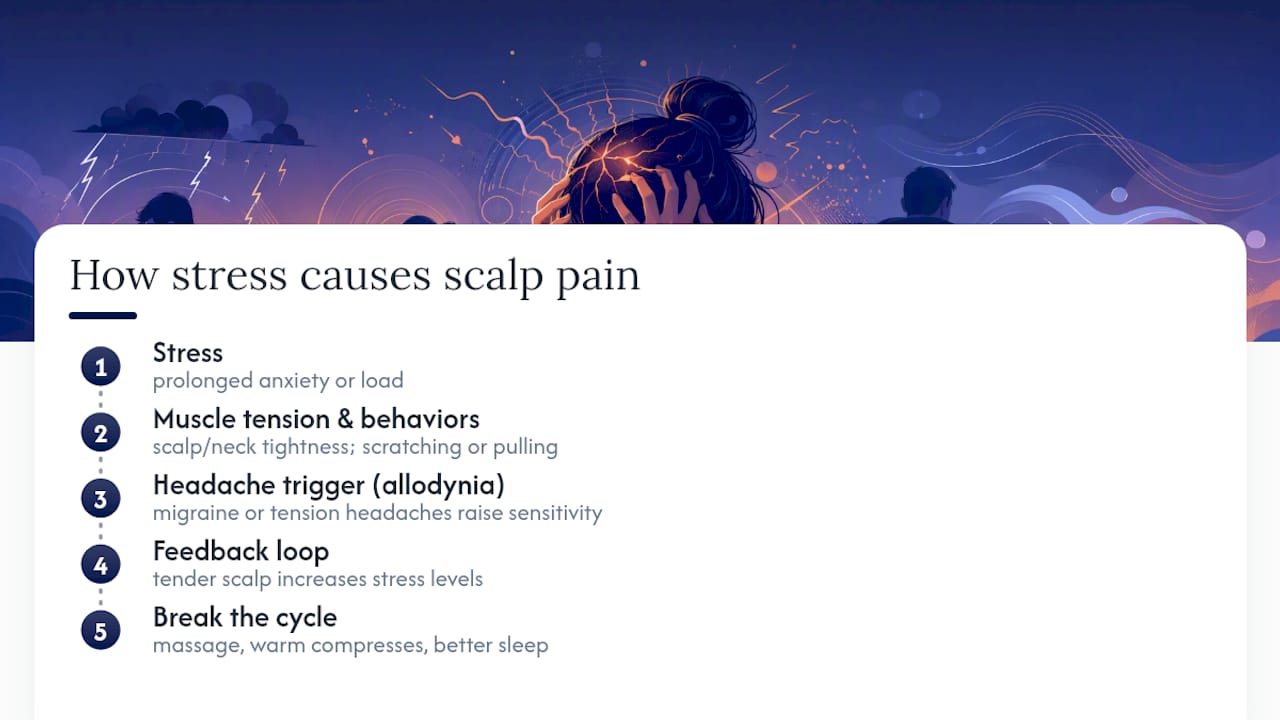
Stress doesn’t just live in your shoulders. It shows up on the scalp too, and the mechanism is more physical than people expect. Chronic muscle tension across the scalp and neck, particularly around the temples and the base of the skull, can produce a dull, tight soreness that mimics tension headaches. People under prolonged stress also tend to touch, scratch, or unconsciously pull at their hair and scalp more, which compounds irritation that started as something minor.
Stress is also a well-documented trigger for both migraine and tension-type headaches, both of which can bring scalp tenderness along for the ride through the same allodynia mechanism described earlier. Anxiety can heighten general sensory sensitivity, meaning a scalp that would normally register a light touch as neutral instead registers it as uncomfortable or sore.
There’s a feedback loop worth naming here: a tender scalp is stressful on its own, especially when the cause isn’t obvious, and that stress can then intensify the very sensitivity you’re trying to figure out. Breaking the cycle usually means addressing both ends: calming the physical tension (gentle scalp massage, warm compresses, reducing tight hairstyles) while also managing the underlying stress load, whether through better sleep, movement, or simply ruling out a scarier cause so your mind can stop cycling on it.
Could Your Medication Be Causing Scalp Tenderness?
Medication side effects are an underappreciated cause of scalp discomfort, and they’re easy to miss because the connection isn’t always obvious. Blood thinners and certain chemotherapy agents can cause generalized scalp sensitivity as a side effect of their impact on hair follicles and skin turnover. Some blood pressure medications and antidepressants list scalp tingling, itching, or tenderness among their less common reported effects.
Retinoids, whether prescribed for acne or used in some hair treatments, can dry and sensitize the scalp enough to make it tender to the touch, especially in the first few weeks of use. Hormonal medications, including certain birth control formulations and thyroid replacement drugs, can shift scalp oil production and sensitivity as hormone levels adjust.
If tenderness started within a few weeks of beginning a new prescription, that timing is a real clue worth flagging to whoever prescribed it. Don’t stop a medication on your own, but do mention the timeline at your next visit or call the prescribing office sooner if the tenderness is significant. A simple dosage adjustment or alternative medication sometimes resolves it without needing separate scalp treatment.
A Practical Perspective on Getting Better
Most mild scalp tenderness improves within one to two weeks of removing the obvious trigger, whether that’s a harsh shampoo, a too-tight style, or a new dye. Persistent pain, visible inflammation, or anything paired with headache or vision changes deserves a medical opinion, not another home remedy.
Before that appointment, track what changed, snap a few photos, and pause any new products. That short record does more for a fast diagnosis than describing the pain from memory ever will.
— CRISAN
Where CRISAN Fits Into Scalp Care
For tenderness that’s mild, non-infectious, and not accompanied by any red-flag symptoms, plant-based scalp support can help calm irritation and rebuild a healthy barrier, without harsh sulfates and synthetic fragrances that can worsen sensitive scalps.
The scalp oils are formulated from a blend of botanical ingredients rooted in Ayurvedic tradition, designed to soothe irritation and support the scalp barrier when the cause is dryness, product buildup, or everyday sensitivity rather than infection or active inflammation. Pair that with a gentle option from the shampoo and conditioner line if you’re alternating away from a medicated formula, and consider the Vitamins & Supplements collection to support hair health from the inside as your scalp settles. If any red flags from this article apply to you, talk to a clinician before adding new active topicals to your routine. Ready to start gentler? Browse the CRISAN Oils collection and pick the formula that matches your scalp’s actual need, not just its symptoms.
This article is general information, not a substitute for advice from a qualified doctor. Consult a qualified healthcare professional about your own circumstances before acting on anything here.
Sources
- Sensitive Scalp and Trichodynia: Epidemiology, Etiopathogenesis, Diagnosis, and Management
- Scalp psoriasis: Symptoms
- Giant cell arteritis - Symptoms and causes - Mayo Clinic
- Occipital neuralgia — book chapter / review (NCBI Bookshelf)
FAQ
Why is my scalp sore to the touch?
A sore scalp usually comes from either surface inflammation (dandruff, psoriasis, contact dermatitis, folliculitis) or nerve-related sensitivity like occipital neuralgia or migraine allodynia, where the skin looks normal but touch still hurts. The prevalence of scalp sensitivity is estimated at anywhere between 25% and 70% in the general population, so it’s more common than most people assume.
What autoimmune disorders cause scalp tenderness?
Lupus is the clearest example, causing discoid lesions that can be tender, red, and scarring if left untreated. Alopecia areata occasionally causes tenderness right before patches of hair loss appear, and giant cell arteritis, a vascular autoimmune condition, causes scalp tenderness alongside jaw pain and vision changes that require same-day care.
How do I get rid of a tender scalp?
Start by removing the likely trigger, whether it’s a harsh shampoo, tight hairstyle, or excess heat, and switch to lukewarm water with a gentle cleanser. Once you know the cause, targeted treatment like medicated shampoo for dandruff, topical corticosteroids for psoriasis, or a plant-based scalp oil from Crisanbeauty for general irritation tends to work faster than generic remedies.
Why does the top of my head hurt when I touch it?
Pain at the crown often points toward inflammatory skin conditions like psoriasis or seborrheic dermatitis, especially if you notice scale, redness, or flaking. If the scalp looks completely normal, migraine-related allodynia is a common explanation, since it makes even light touch at the top of the head feel painful without any visible cause.
When should I see a doctor for a tender scalp instead of treating it at home?
See a doctor immediately if tenderness comes with vision changes, jaw pain while chewing, fever, or spreading redness, since these can signal giant cell arteritis or a spreading infection. For milder cases, give home changes one to two weeks before booking an appointment if the pain persists or worsens.


